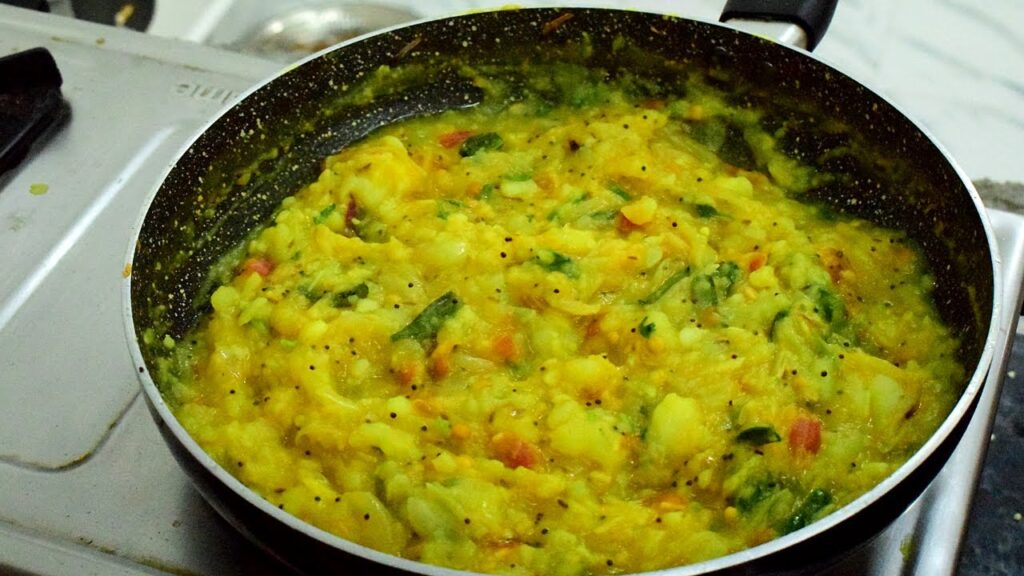
Poori masala is essentially a mildly spiced potato curry made using boiled potatoes, onions, aromatic spices, and herbs. Unlike heavily spiced gravies, this dish is known for its gentle flavors, bright yellow color from turmeric, and soft mashed texture. The seasoning of mustard seeds, urad dal, chana dal, fennel seeds, curry leaves, ginger, garlic, and green chilies creates a wonderful aroma that makes the dish incredibly appetizing.
What makes poori masala so special is its simplicity. The ingredients are basic pantry staples, and the cooking process is straightforward, yet the final dish is rich in flavor and comforting. Whether you are preparing a weekend breakfast for your family, hosting guests, or simply craving a traditional South Indian meal, poori masala is always a perfect choice.
Another beautiful aspect of this dish is its versatility. While traditionally served with pooris, it also tastes wonderful with dosa, chapati, set dosa, rava dosa, or even plain bread. Many people enjoy it as a quick lunch or dinner as well.
In this blog post, you will learn how to prepare authentic homemade poori masala using simple ingredients like boiled potatoes, onions, mustard seeds, lentils, and aromatic spices. Along with the recipe instructions, you will also find useful cooking tips, variations you can try, common mistakes to avoid, storage suggestions, serving ideas, health benefits, and answers to frequently asked questions.
If you love traditional Indian comfort food, this easy poori masala recipe will surely become one of your favorites.
Servings
This recipe serves approximately 4 to 5 people.
It is perfect for:
- Family breakfast
- Weekend brunch
- Festival mornings
- Guests and gatherings
If you are cooking for a larger group, the recipe can easily be doubled.
Variations of Poori Masala
One of the great things about this dish is how easily it can be customized.
1. Tomato Poori Masala
Add chopped tomatoes after sautéing the onions. Cook until soft before adding the potatoes. This adds slight tanginess.
2. Hotel Style Poori Masala
Restaurants often add a little besan (gram flour) mixed with water to create a thicker gravy.
3. Coconut Flavor Masala
Add a few tablespoons of freshly grated coconut or coconut paste for a mild sweetness and creamy texture.
4. Vegetable Masala
You can include vegetables like carrots, peas, or beans for extra nutrition and color.
5. Spicy Version
Add red chili powder or crushed pepper for a spicier variation.
6. Lemon Flavor Masala
Squeeze a little lemon juice before serving to add refreshing tanginess.
Poori Masala
Description
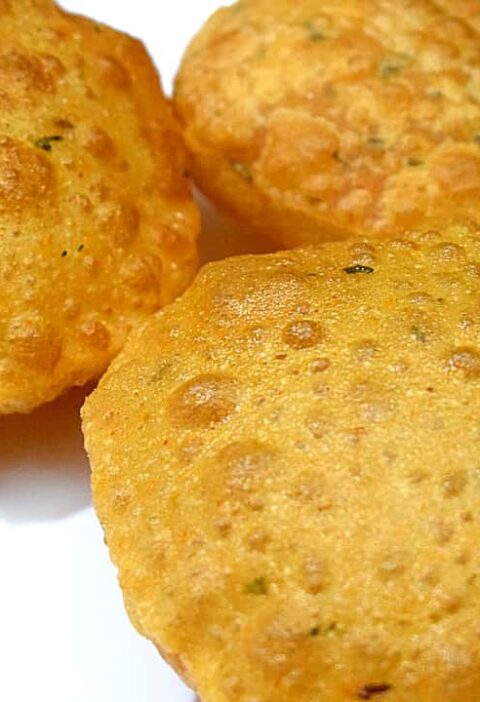
Poori Masala is a classic South Indian breakfast dish featuring crispy, deep-fried poori served with a mildly spiced potato masala made with onions, turmeric, and aromatic spices. Soft, flavorful, and comforting, it’s a popular pairing enjoyed with chutney or sambar.
Ingredients
Instructions
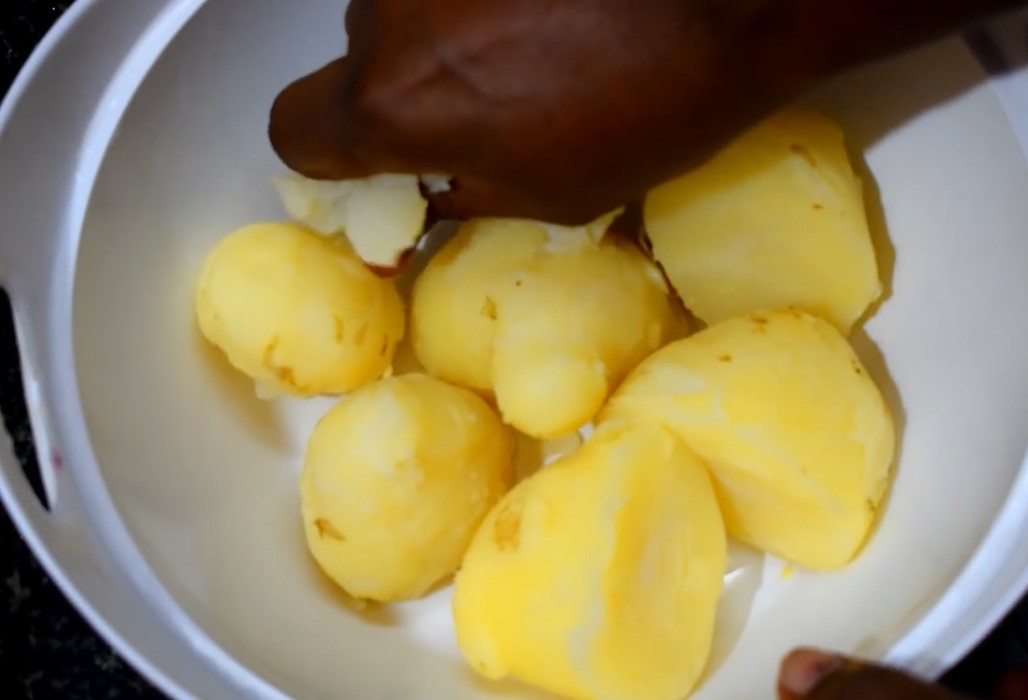
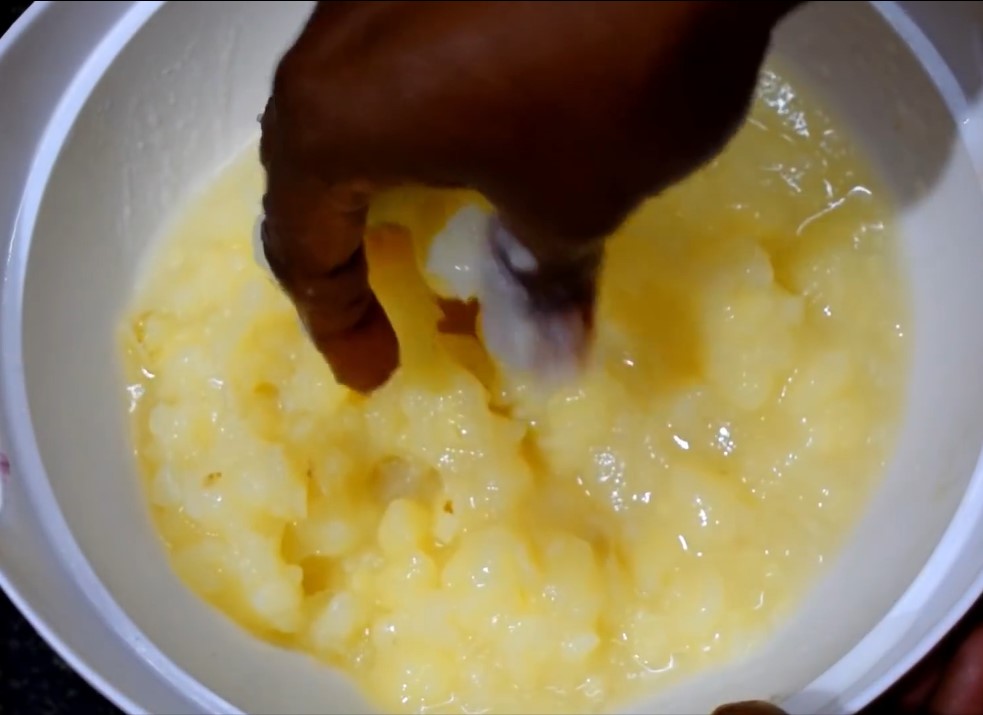
- Take the boiled potatoes in a bowl. Add a little water and mash them well using your hands until they become soft and slightly coarse.
- Heat oil in a pan over medium heat.
Add chana dal to the hot oil and roast it until it turns golden brown.
- Add mustard seeds, urad dal, and fennel seeds. Allow them to splutter and release their aroma.
Add chopped onions and sauté for a few seconds until they start softening.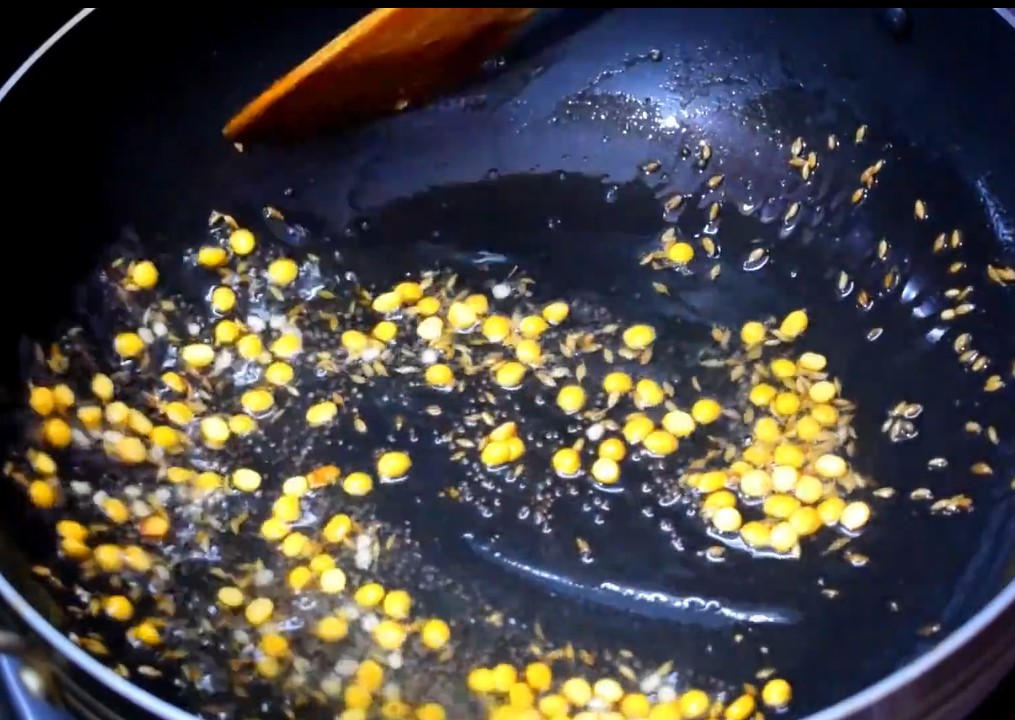
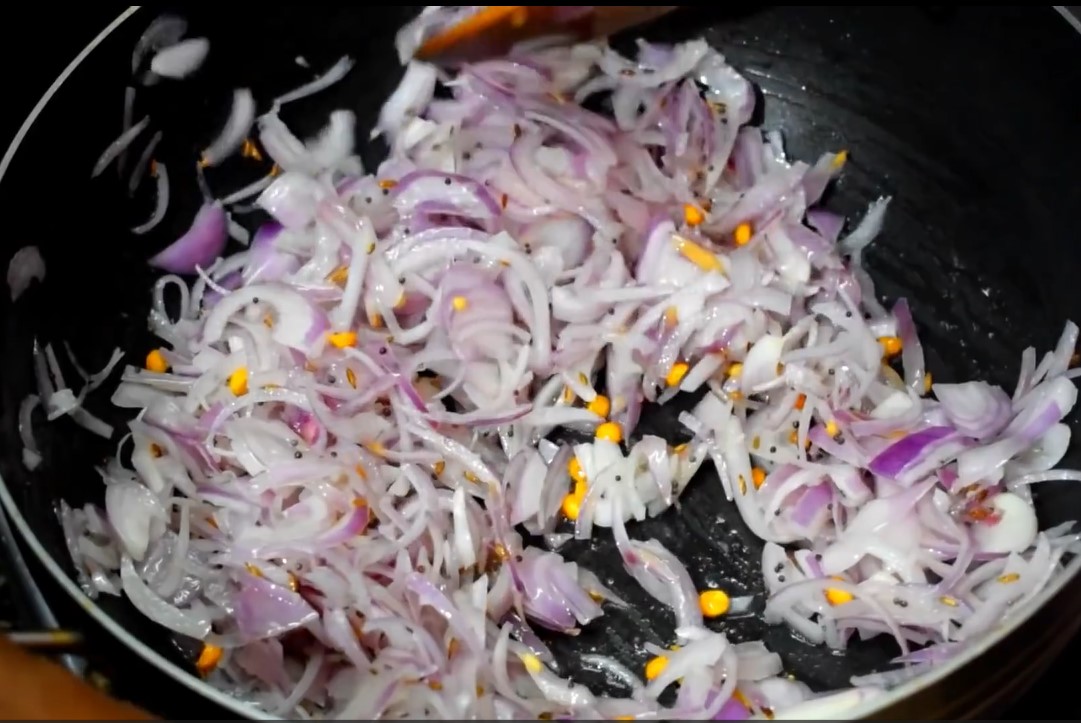
- Add chopped garlic, finely chopped ginger, green chilies, and curry leaves. Sauté the mixture until the onions turn golden and fragrant.
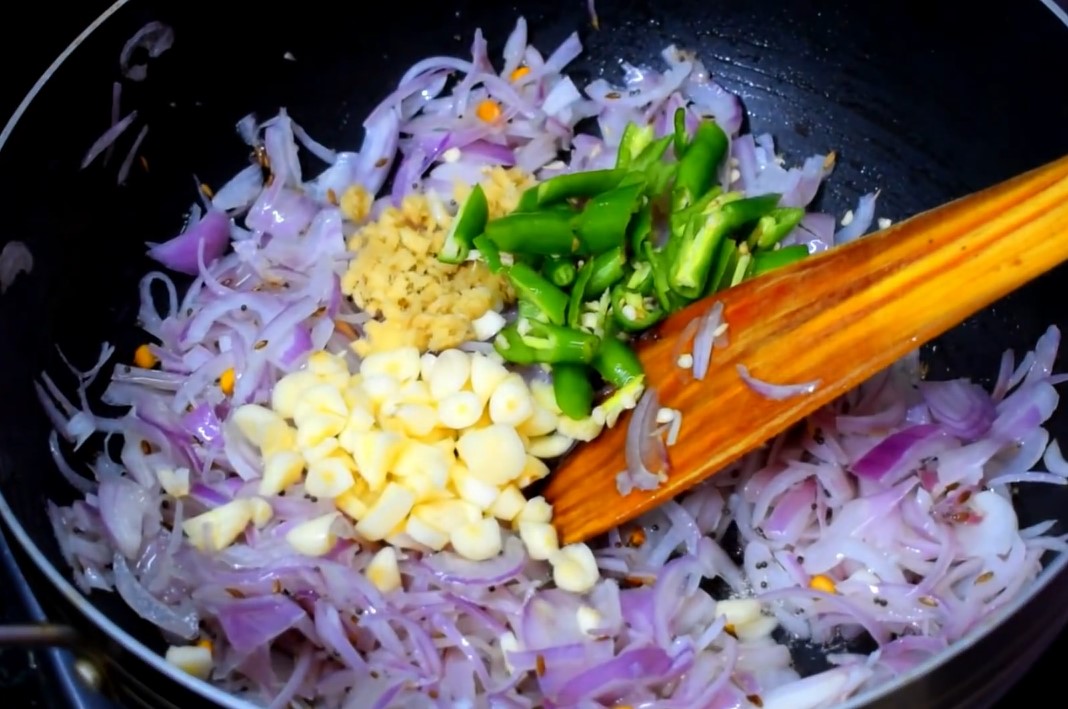
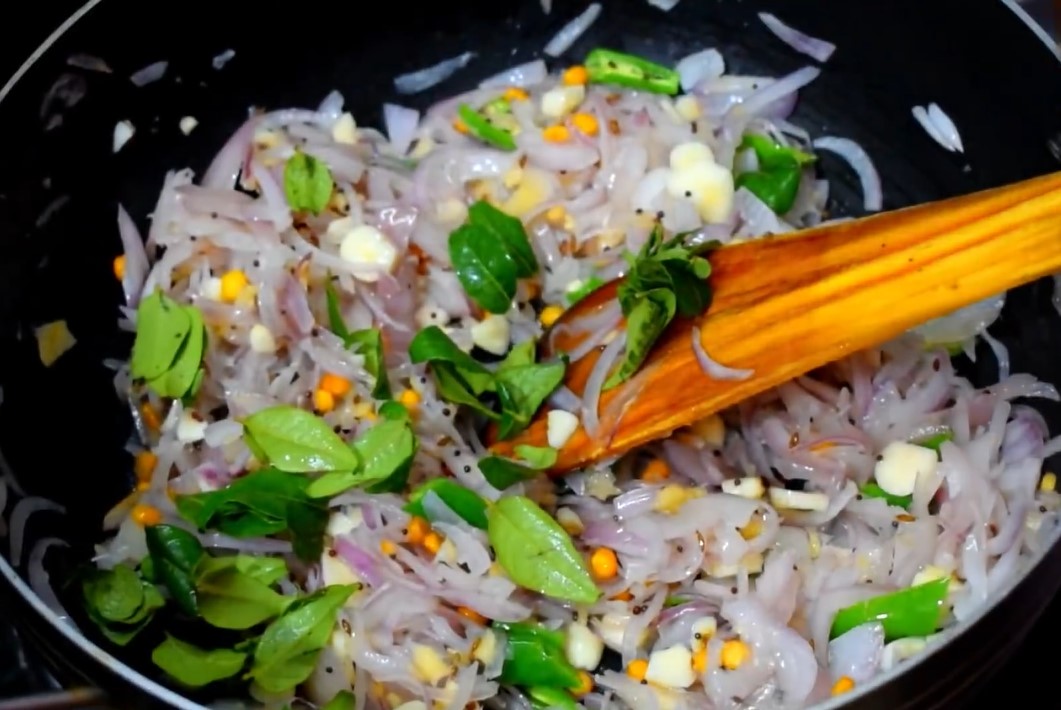
- Add turmeric powder and salt. Mix everything well so the spices coat the onion mixture evenly.
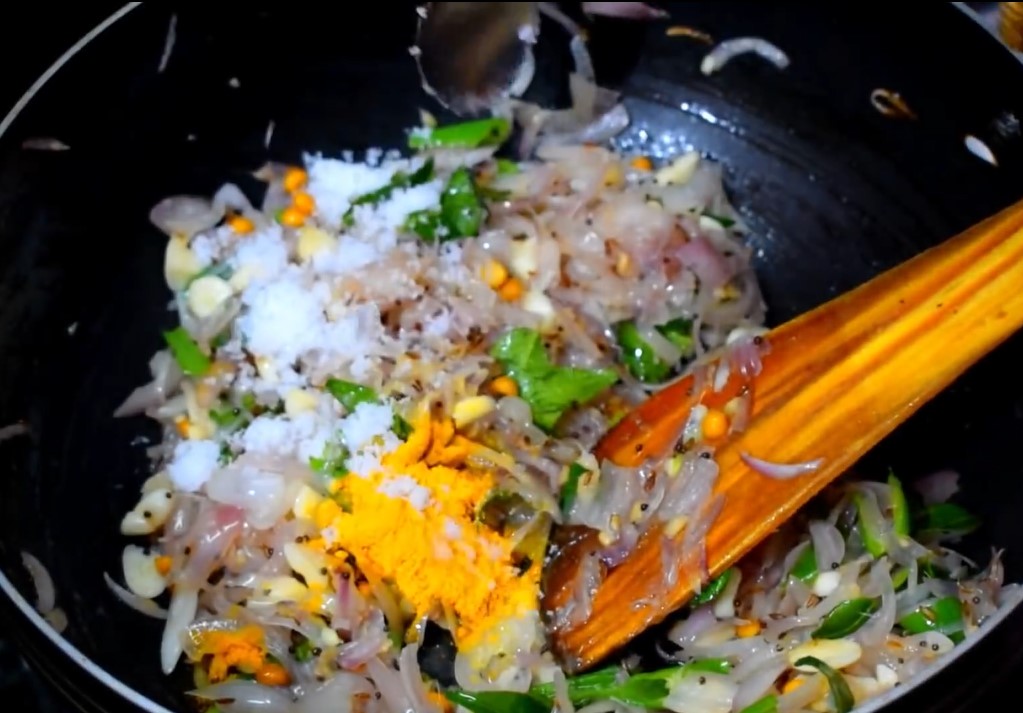
- Add the mashed potatoes to the pan.
Pour some water and mix everything thoroughly so the potatoes absorb the flavors.
Add chopped coriander leaves and stir the mixture well.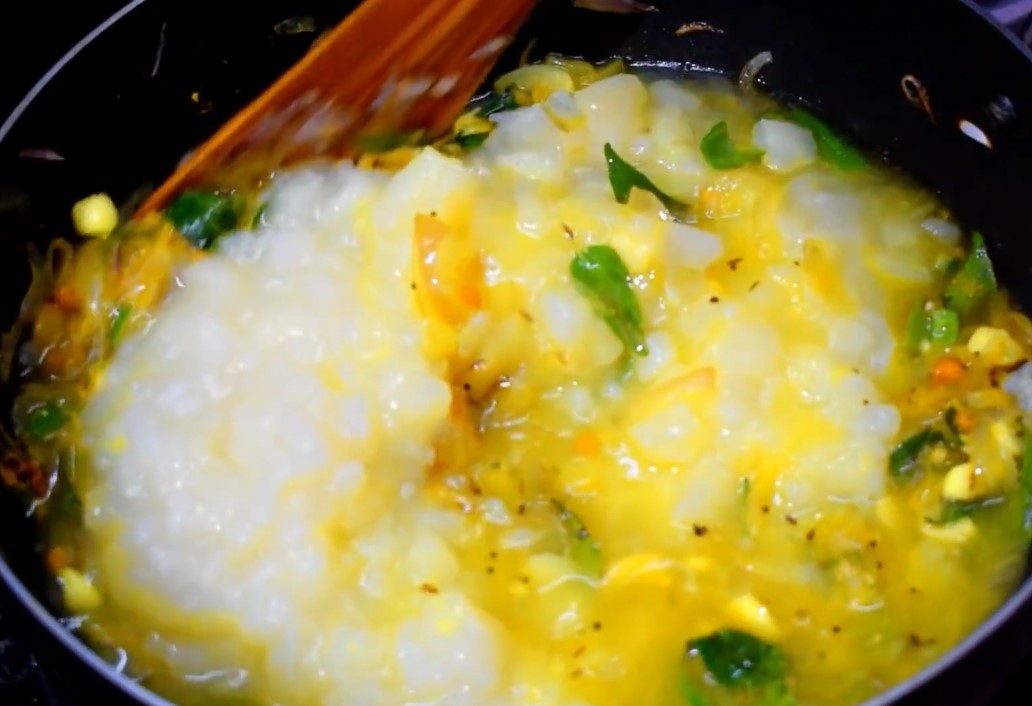
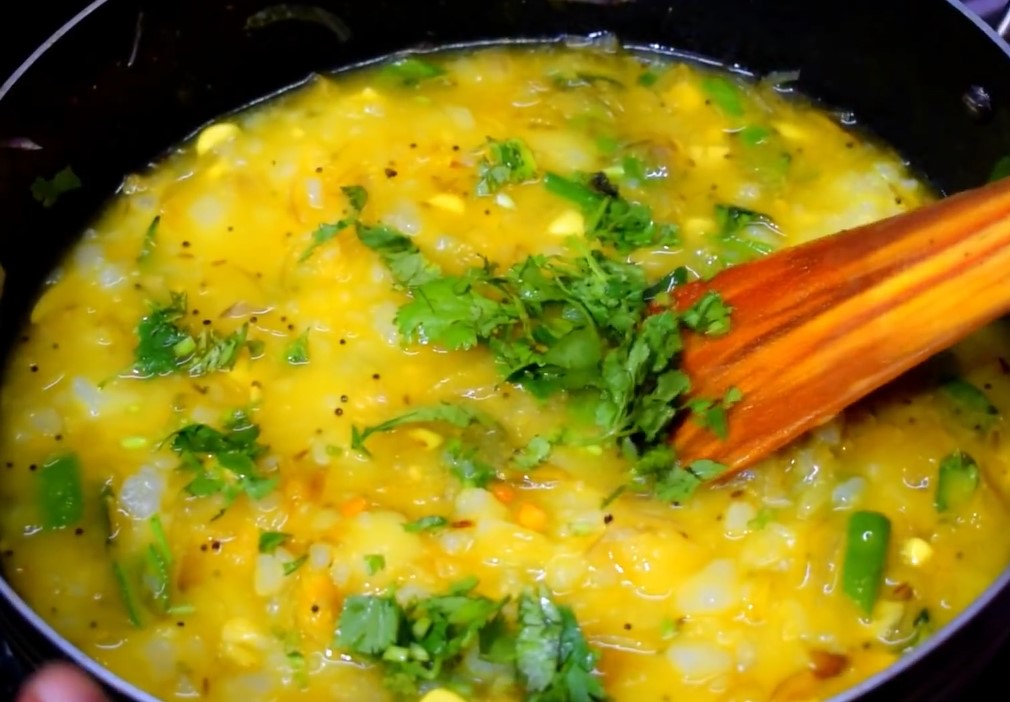
- Cover the pan and cook the potato masala for about 2 minutes.
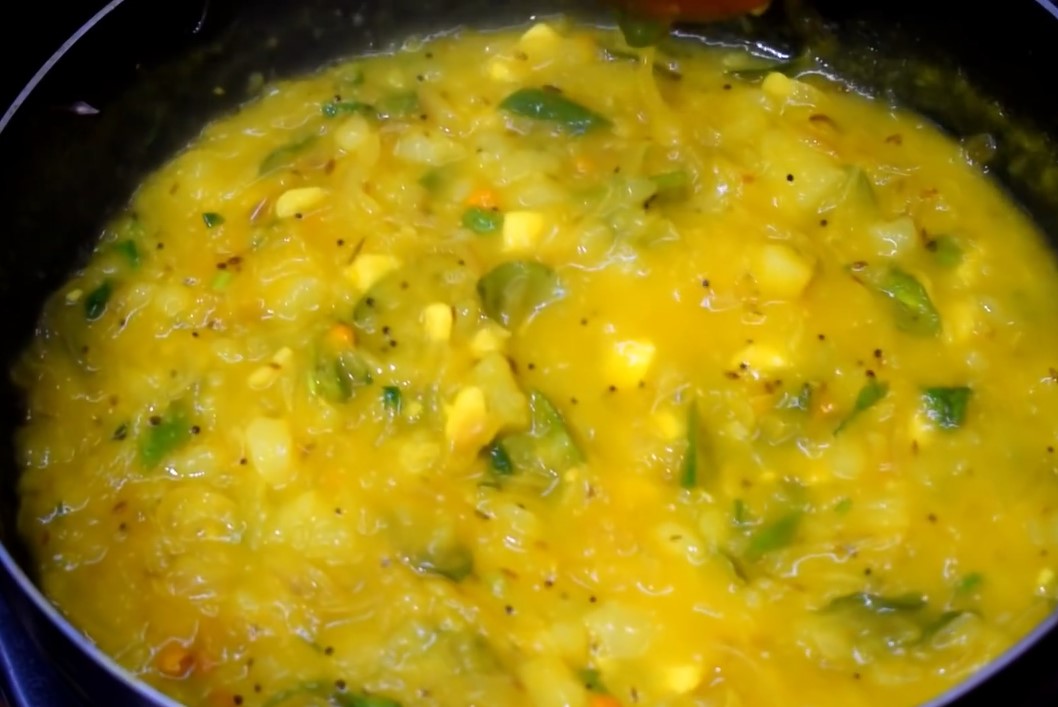
- Turn off the heat and serve the hot potato masala with freshly prepared pooris.

Tips for Perfect Poori Masala
1. Use freshly boiled potatoes
Freshly boiled potatoes mash easily and create a soft texture. Avoid refrigerated potatoes as they can become slightly grainy.
2. Do not over-mash
Leave small chunks of potatoes for better texture. A completely smooth mash can make the masala too pasty.
3. Roast the dals well
Chana dal and urad dal should be roasted until golden. This adds a pleasant crunch and nutty flavor to the dish.
4. Balance the water
Poori masala should not be too thick or too watery. It should have a soft, scoopable consistency.
5. Use fresh curry leaves
Curry leaves add a distinct South Indian aroma that elevates the entire dish.
6. Add coriander at the end
Adding fresh coriander leaves towards the end keeps their flavor vibrant.
7. Adjust spice level
You can add more or fewer green chilies depending on your preference.
Common Mistakes to Avoid
Even though this recipe is simple, a few mistakes can affect the final taste and texture.
1. Burning the spices
Mustard seeds, urad dal, and chana dal cook quickly. If they burn, the dish will taste bitter.
2. Adding too much water
Too much water can make the masala overly thin and reduce flavor intensity.
3. Skipping aromatics
Ingredients like ginger, garlic, curry leaves, and fennel seeds add essential aroma and flavor.
4. Not sautéing onions properly
Under-cooked onions can taste raw. Cook them until they soften and turn slightly golden.
5. Overcooking the potatoes
Cooking for too long after adding potatoes can make them mushy and sticky.
Health Benefits of Poori Masala
Although pooris are deep-fried, the potato masala itself contains several nutritious ingredients.
1. Potatoes provide energy
Potatoes are rich in carbohydrates and provide quick energy, making this dish ideal for breakfast.
2. Good source of fiber
Potatoes and lentils, like chana dal, contain fiber that supports digestion.
3. Contains antioxidants
Turmeric is known for its anti-inflammatory and antioxidant properties.
4. Digestive support
Ginger and fennel seeds aid digestion and help reduce bloating.
5. Immune-boosting ingredients
Garlic and curry leaves contain compounds that support immunity.
6. Balanced meal
When paired with pooris or chapati, the dish offers a satisfying balance of carbs, fats, and flavor.
Storage Instructions
Poori masala can be stored easily if you have leftovers.
Refrigerator
Store the cooled masala in an airtight container and refrigerate for up to 2 days.
Freezer
Freezing is not recommended because potatoes tend to change texture after thawing.
Reheating
Add a little water while reheating on the stove and stir gently to restore the original consistency.
Serving Suggestions
Poori masala is incredibly versatile and pairs well with many dishes.
Best served with
- Poori
- Dosa
- Set dosa
- Chapati
- Parotta
- Bread
Garnishing ideas
- Fresh coriander leaves
- Lemon juice
- Fried curry leaves
Serve the masala hot for the best taste and texture.
Poori masala is one of those timeless dishes that brings comfort, nostalgia, and satisfaction with every bite. Made with simple ingredients like potatoes, onions, aromatic spices, and herbs, this humble recipe proves that delicious food does not need to be complicated.
The combination of soft, mildly spiced potato masala and crispy golden pooris is a classic that has been loved for generations. Whether served at home for breakfast, enjoyed during festive mornings, or ordered in a restaurant, this dish continues to hold a special place in Indian cuisine.
The beauty of poori masala lies in its simplicity and versatility. It can be customized in many ways, adjusted to suit different spice preferences, and paired with various dishes beyond pooris. With just a few ingredients and minimal cooking time, you can create a comforting meal that everyone in the family will enjoy.
By following the tips and instructions shared in this guide, you can easily prepare authentic homemade poori masala with perfect flavor and texture. Once you try making it at home, it is sure to become a regular addition to your breakfast menu.
So the next time you prepare hot and fluffy pooris, do not forget to serve them with this delicious potato masala. Enjoy the warmth, aroma, and comforting taste of this classic South Indian favorite.
Frequently Asked Questions (FAQs)
1. Why is poori masala yellow in color?
The bright yellow color comes from turmeric powder, which is commonly used in South Indian potato masala.
2. Can I make poori masala without onions?
Yes. Some traditional versions skip onions and still taste delicious.
3. Can I make it spicy?
Absolutely. Add more green chilies or chili powder to increase the spice level.
4. Why do restaurants add lentils like chana dal and urad dal?
These lentils add texture, flavor, and a slight crunch to the dish.
5. Can I prepare this dish in advance?
Yes. You can prepare it a few hours ahead and reheat it before serving.
6. Can I use butter instead of oil?
Yes, but oil is traditionally used. Butter will add a richer flavor.
7. What type of potatoes work best?
Starchy potatoes that mash easily are ideal for this recipe.
8. Is poori masala vegan?
Yes. The recipe contains no dairy products, making it naturally vegan.