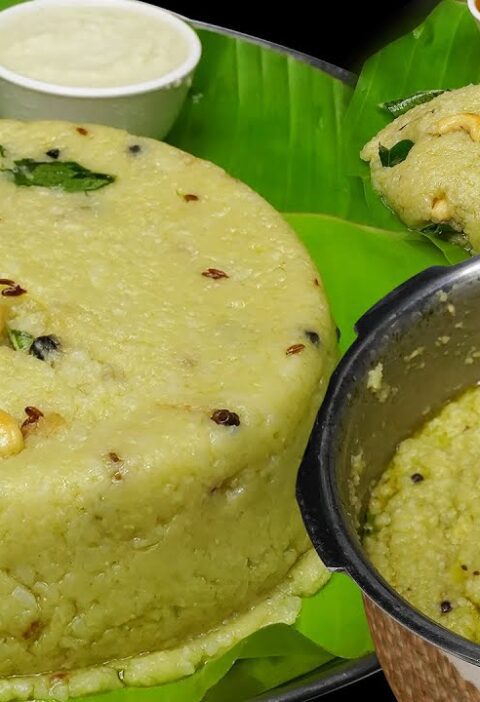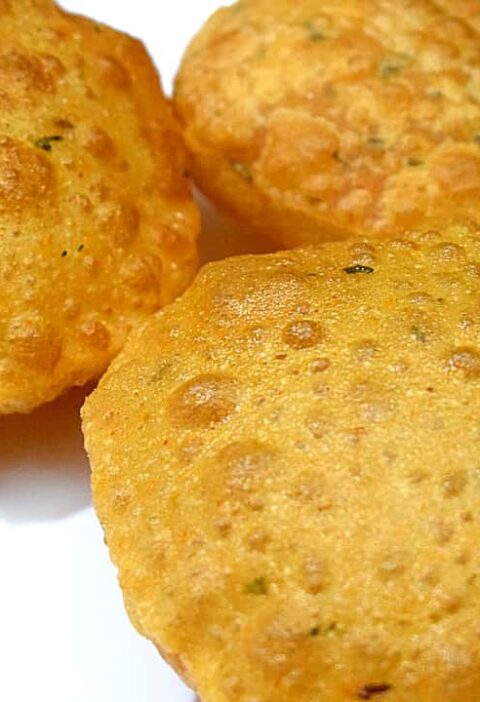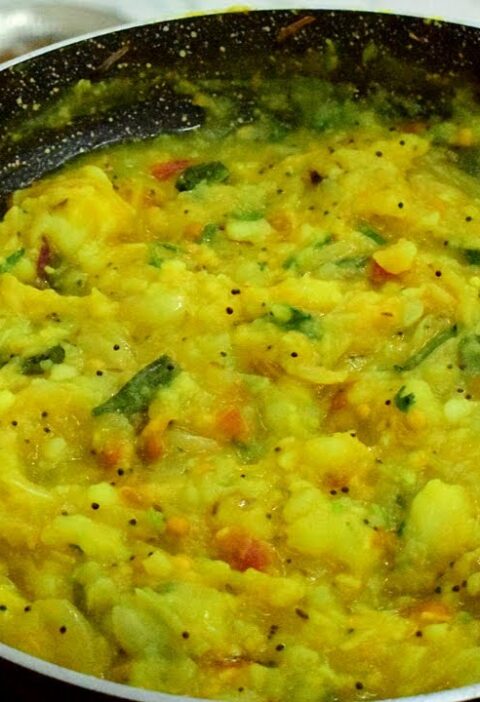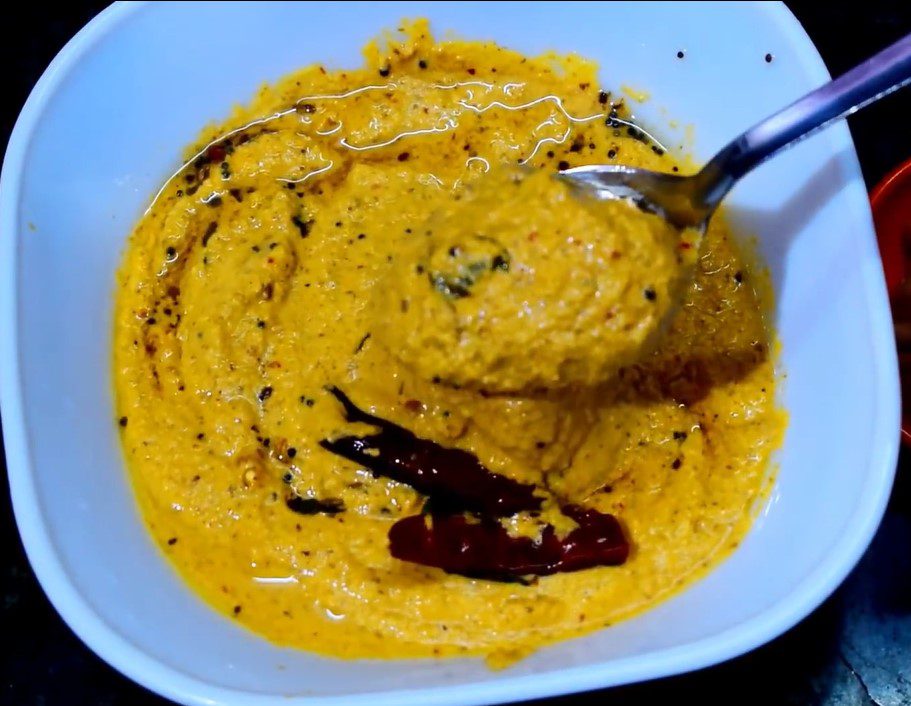
Peanut chutney is one of the most popular and flavorful chutneys served in South Indian cuisine. This simple yet delicious condiment is widely enjoyed with breakfast dishes such as idlis, dosas, vadas, and uttapam. Made with roasted peanuts, coconut, garlic, and red chilies, this chutney offers a rich, nutty flavor with a hint of spice and tanginess.
In many South Indian households, it is a go-to recipe because it is easy to prepare, nutritious, and incredibly versatile. Unlike coconut chutney, which spoils quickly, peanut chutney tends to stay fresh longer due to the natural oils in peanuts. This makes it a convenient option for busy mornings or quick meals.
The roasted peanuts provide a rich base, while garlic, tamarind, and red chilies add depth and spice to the chutney. A simple tempering of mustard seeds, urad dal, and curry leaves enhances the aroma and gives the chutney its authentic South Indian taste.
This homemade recipe uses fresh and simple ingredients that are easily available in most kitchens. The preparation process is straightforward and does not require complicated cooking techniques. Whether you are a beginner in the kitchen or an experienced cook, you can easily make this chutney in just a few minutes.
It is also highly adaptable. You can adjust the spice level, thickness, and flavor according to your preference. Some people like it spicy, while others prefer a mild version with more coconut. Regardless of the variation, the chutney always pairs perfectly with classic South Indian dishes.
If you are looking for the best chutney for dosa and idli, this recipe will guide you step by step to make a delicious and authentic version at home.
Let’s begin by gathering the ingredients needed to prepare this flavorful chutney.
Best Dishes to Serve with Peanut Chutney
This pairs well with many South Indian dishes.
Some of the most popular combinations include:
Idli
Dosa
Medu vada
Uttapam
Paniyaram
Upma
Adai
Can be used as a spread for sandwiches or served as a dip for snacks.
Storage Tips
Peanut chutney can be stored in an airtight container in the refrigerator for up to 2 days. Stir well before serving, and add a little water if the chutney becomes thick.
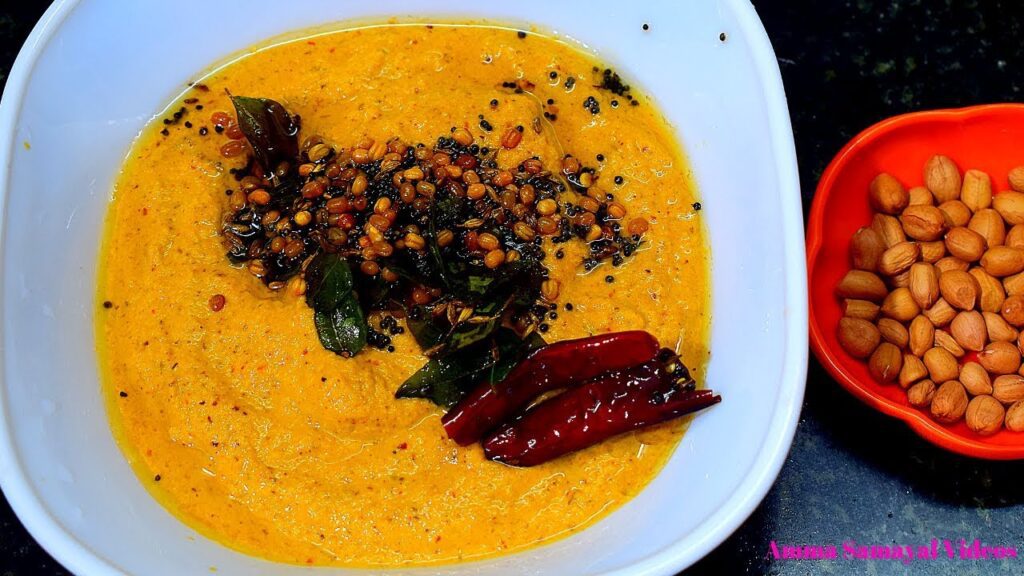
Peanut chutney
Description
Peanut chutney is a creamy and flavorful South Indian condiment made with roasted peanuts, coconut, garlic, and red chilies. This easy chutney recipe has a rich, nutty taste with mild spice and tanginess from tamarind. It is commonly served with idlis, dosas, vadas, and other South Indian breakfast dishes. With simple ingredients and quick preparation, peanut chutney is a perfect side dish that enhances the flavor of many traditional meals.
Ingredients
For tempering
Instructions
- Roast the Peanuts
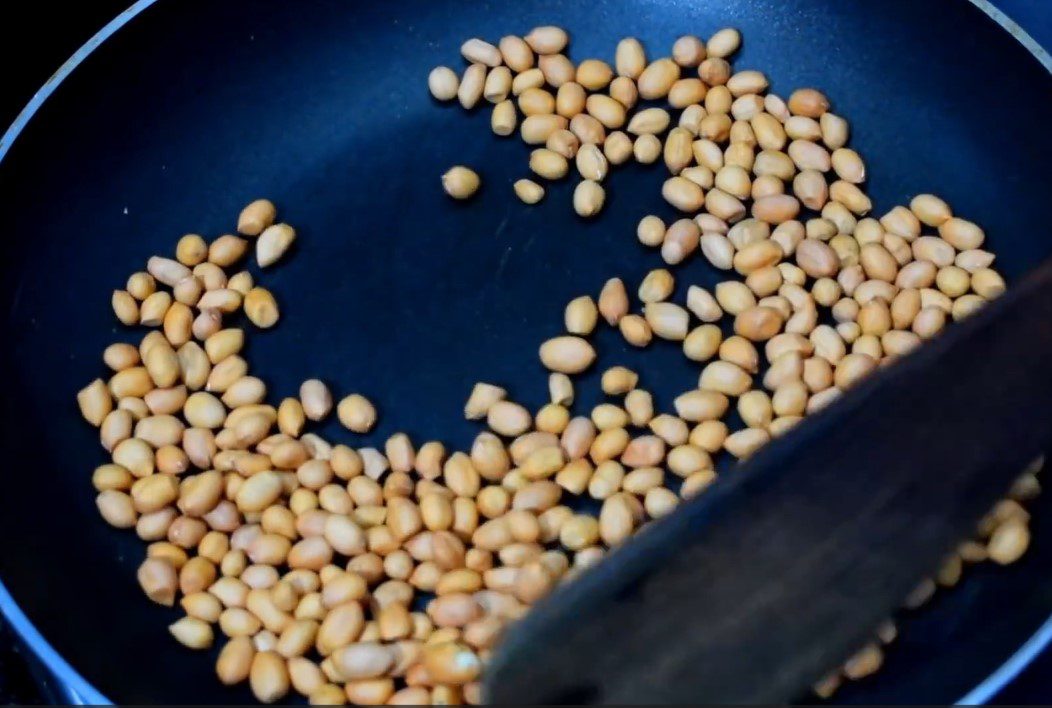
Place a pan on medium heat and dry roast the peanuts until they turn golden brown and aromatic. Stir continuously to ensure even roasting and prevent burning.
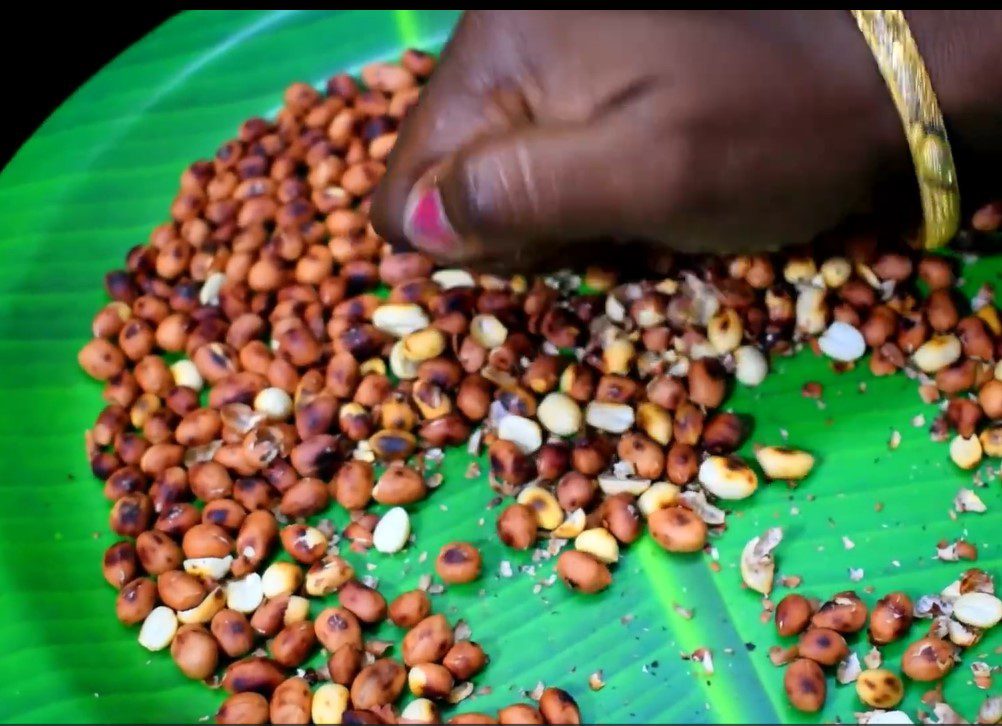
- Once roasted, remove the peanuts from the pan and allow them to cool. After they cool down, gently rub them between your palms to remove the skins. This step helps improve the texture of the chutney.

- Prepare the Flavor Base
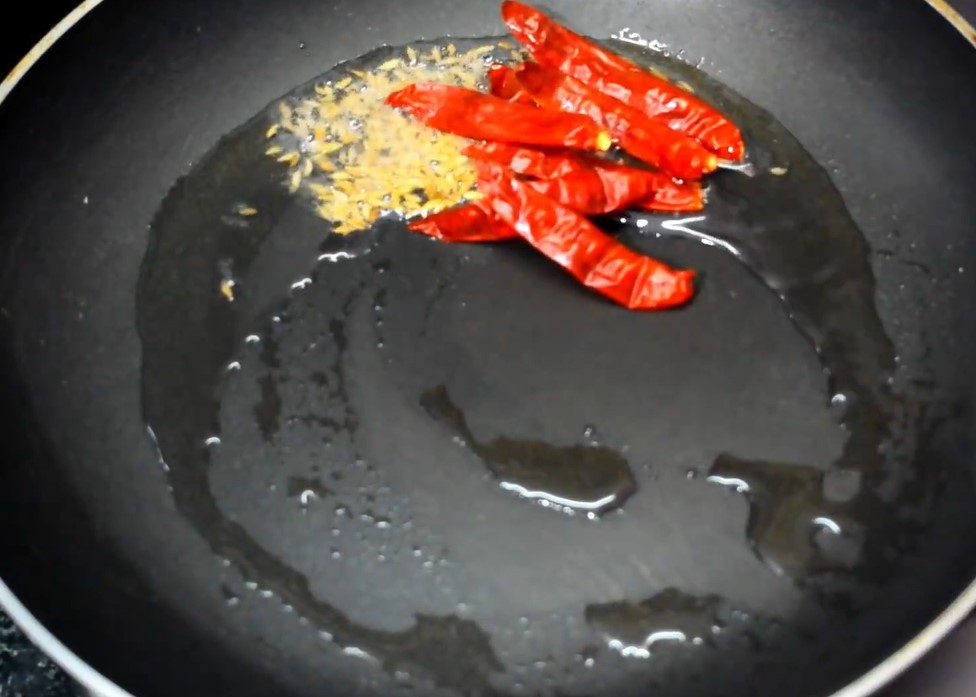
Heat a small amount of oil in a pan.
Add jeera and red chili and roast them for about one minute until aromatic.
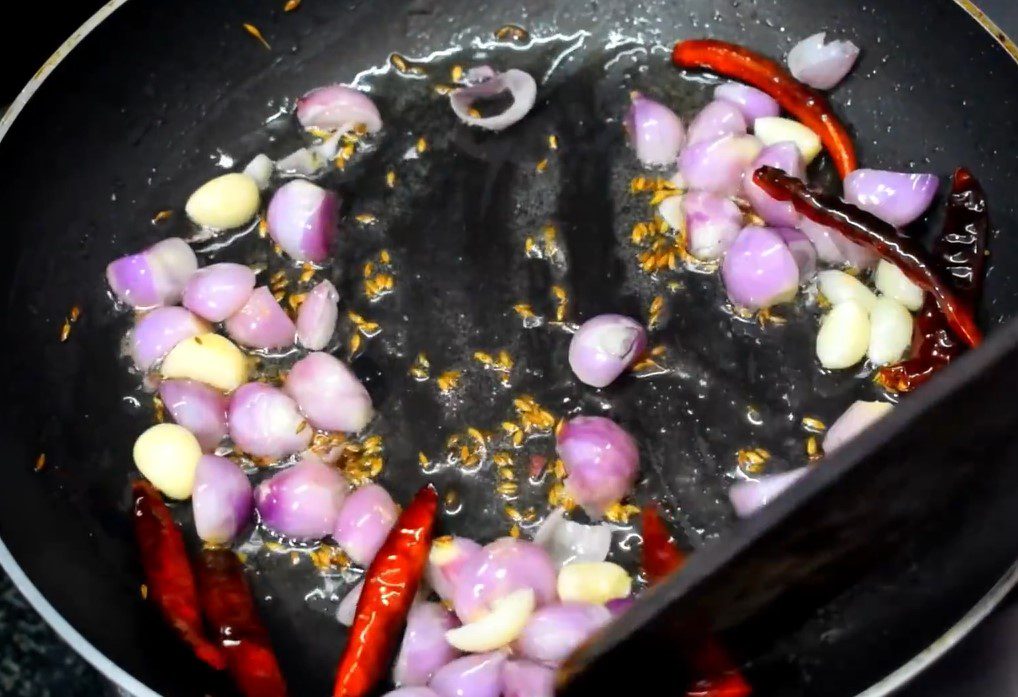
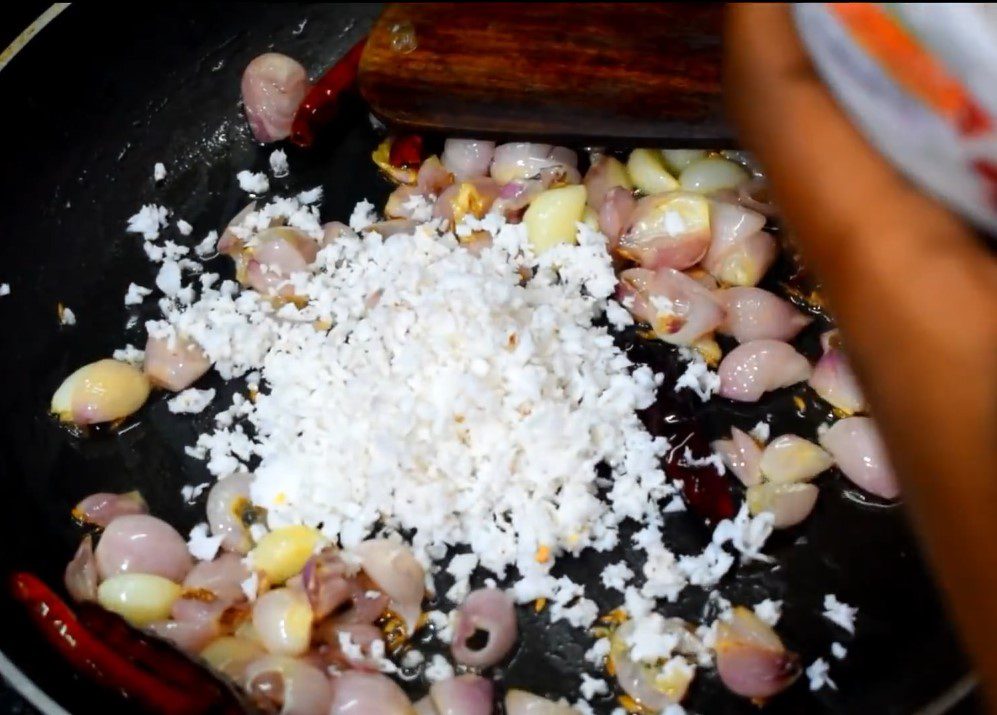
- Next, add garlic cloves and small peeled onions. Sauté them until they turn light golden and release a pleasant aroma.

- Add the grated coconut and fry for a few minutes. This step enhances the flavor and slightly reduces the moisture in the coconut.

- Add the Peanuts
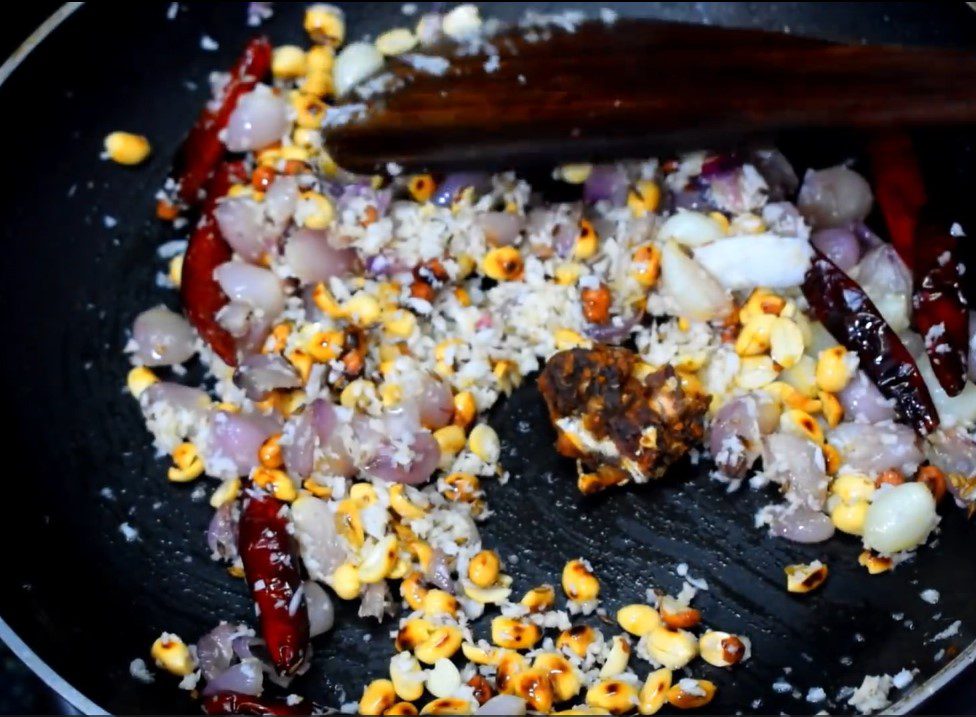
Add the roasted peanuts to the pan and fry them for about one minute along with the other ingredients.
Then add a small pinch of tamarind to provide a mild, tangy flavor.
Turn off the heat and allow the mixture to cool slightly.
- Blend the Chutney
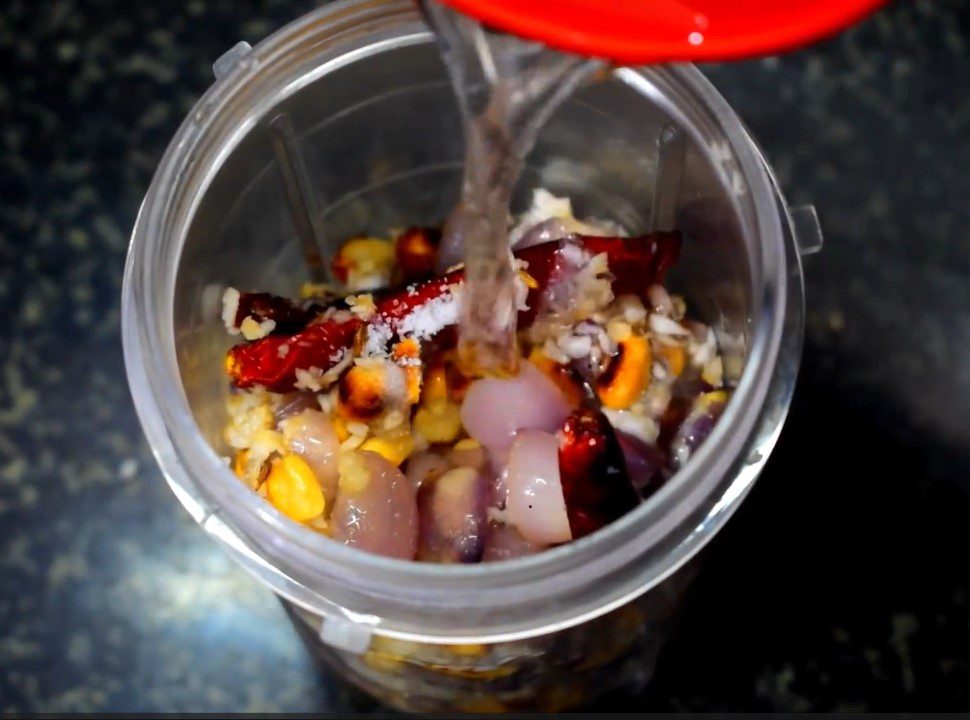
Transfer the roasted mixture into a blender.
Add salt and a small amount of water.
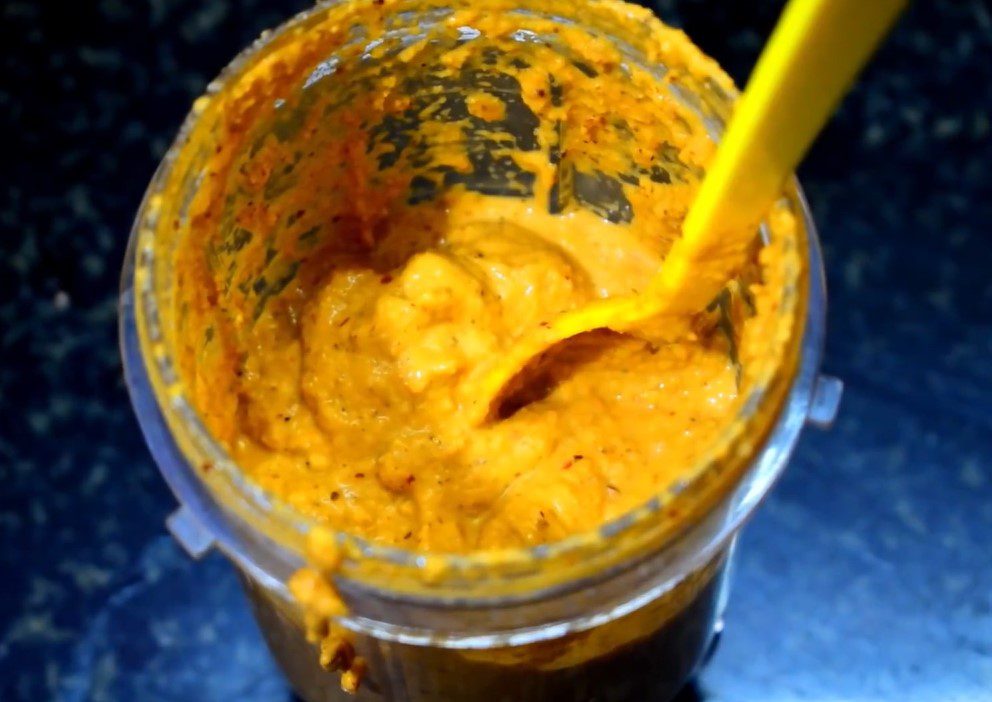
Blend the mixture into a smooth and creamy paste. Adjust the amount of water according to your desired chutney consistency.

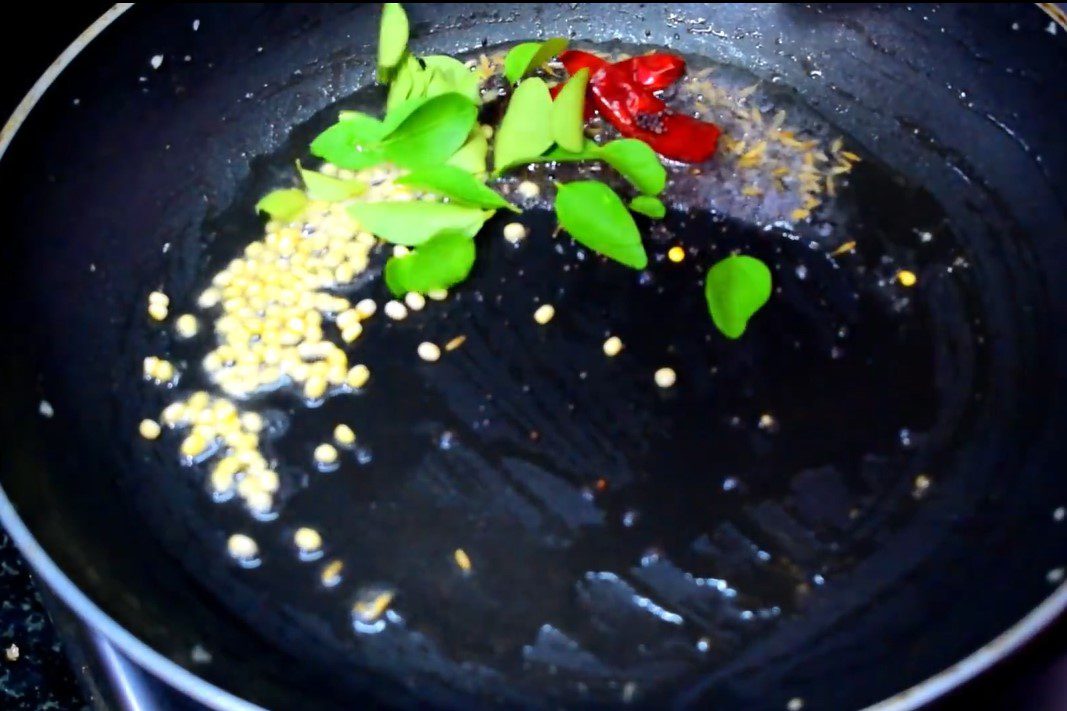
- Heat oil in a small pan over medium heat.
Add mustard seeds and allow them to splutter.
Then add urad dal, jeera, red chili, and curry leaves. Fry until the dal turns light golden and the curry leaves become aromatic.
- Combine and Serve
Pour the prepared tempering over the blended chutney.
Mix gently to combine all the flavors.
Your delicious peanut chutney is now ready to serve.
Serve it fresh with idli, dosa, vada, or any South Indian breakfast dish.
Prepare the Tempering

Tips for Perfect Peanut Chutney
Use Fresh Peanuts
Fresh peanuts provide the best flavor and creamy texture for chutney.
Roast Peanuts Evenly
Always roast peanuts on medium heat to prevent burning.
Adjust Spice Level
You can increase or decrease the number of red chilies according to your taste.
Add Water Gradually
Add water little by little while blending to achieve the desired consistency.
Use Fresh Coconut
Fresh coconut enhances the taste and richness of the chutney.
Do Not Skip Tempering
Tempering adds aroma and improves the overall flavor of the chutney.
Serve Fresh
It tastes best when served fresh.
Variations of Peanut Chutney
There are different ways of making
Coconut Peanut Chutney
This variation includes more grated coconut, giving the chutney a richer and creamier texture.
Spicy One
Add extra red chilies or green chilies for a spicier version. This variation is popular among people who enjoy bold flavors.
Tomato based
Adding sautéed tomatoes creates a tangy and slightly sweet flavor.
Mint based
Fresh mint leaves can be blended with peanuts to create a refreshing chutney with a unique taste.
Onion based
Use more onions to get a deeper taste in this variation.
Each of these variations offers a slightly different taste while maintaining the nutty richness of peanuts.
Health Benefits of Peanut Chutney
It is not only delicious but also provides several health benefits.
Rich Source of Protein
Peanuts are an excellent source of plant-based protein, which helps build and repair body tissues.
Good for Heart Health
Peanuts contain healthy fats that support heart health when consumed in moderation.
Provides Energy
Peanuts are high in calories and nutrients, making them a great source of energy.
Rich in Vitamins and Minerals
Peanuts contain essential nutrients such as magnesium, potassium, and vitamin E.
Supports Muscle Growth
The protein and healthy fats in peanuts help maintain muscle strength and recovery.
Improves Digestion
Ingredients like garlic, tamarind, and curry leaves help improve digestion.
Peanut chutney is a simple yet flavorful condiment that plays an important role in South Indian cuisine. With its rich, nutty taste, creamy texture, and balanced spice level, it perfectly complements many breakfast and snack dishes.
This easy homemade peanut chutney recipe uses basic ingredients and simple cooking steps, making it ideal for everyday meals. The combination of roasted peanuts, coconut, garlic, and red chilies creates a delicious chutney that can be prepared in just a few minutes.
Whether served with soft idlis, crispy dosas, or savory vadas, peanut chutney always enhances the overall meal experience. Its versatility and nutritional value make it a great addition to any kitchen.
By following this recipe and tips, you can easily prepare authentic South Indian peanut chutney at home and enjoy its rich flavor with your favorite dishes.
Frequently Asked Questions (FAQs)
1. What is peanut chutney?
Peanut chutney is a traditional South Indian condiment made from roasted peanuts, coconut, garlic, chilies, and spices.
2. Can I make peanut chutney without coconut?
Yes, you can completely avoid. However, it adds creaminess and enhances the flavor.
3. How long does peanut chutney last?
Peanut chutney can be stored in the refrigerator for about one to two days in an airtight container.
4. Can I use raw peanuts instead of roasted peanuts?
Yes, but they must be roasted first to develop flavor and improve texture.
5. Is peanut chutney healthy?
Yes, it is nutritious because peanuts are rich in protein, healthy fats, and essential nutrients.
6. Why is my peanut chutney bitter?
Over-roasting the peanut may cause bitterness. Always roast them on medium heat.
7. Can peanut chutney be frozen?
Freezing is not recommended because the texture may change after thawing.
8. How can I make the chutney thicker?
Use less water while blending or add more peanuts to achieve a thicker consistency.