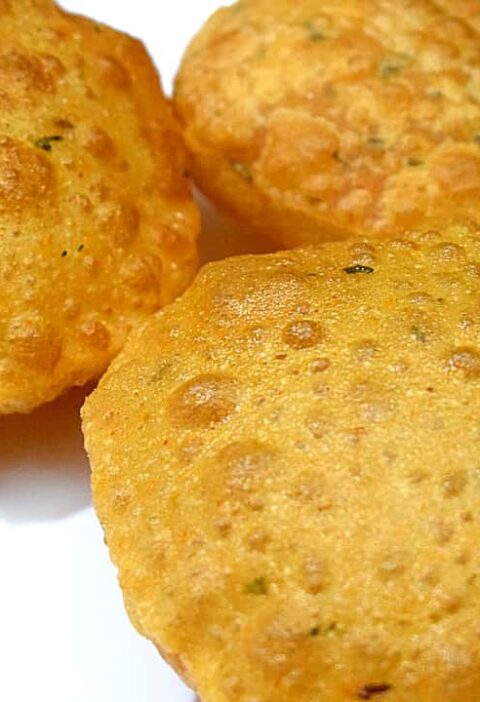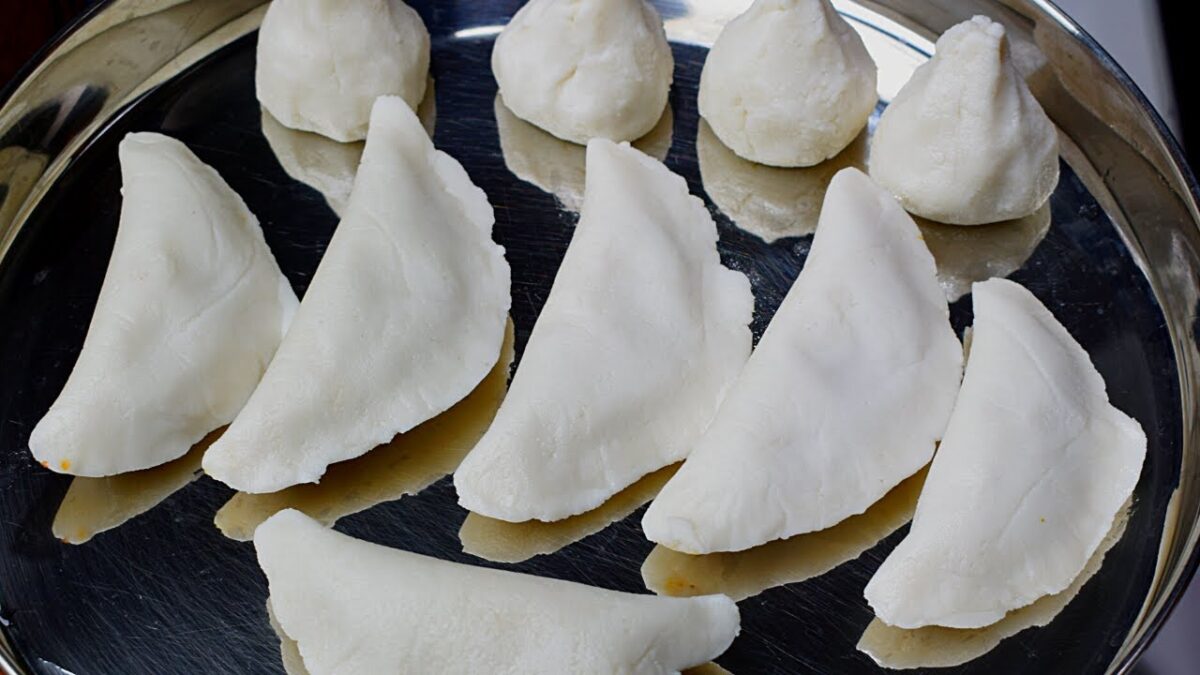
Kozhukattai, also called modak, is a traditional steamed rice flour sweet made with a simple dough and a flavorful filling. In this recipe, the filling uses roasted peanuts, jaggery, and cardamom instead of the more common coconut-based filling. The result is soft, lightly chewy, and nutty, with a pleasant sweetness from jaggery.
I have made this easy kozhukattai recipe using homemade raw rice flour, also known as pacha arisi maavu. Preparing rice flour at home takes a little extra time, but it gives you control over the texture. The important part is getting the dough right. It should be soft enough to shape but firm enough to hold the peanut stuffing without breaking.
If you are making the kolukattai recipe for the first time, do not worry about getting the shape perfect. You can shape it by hand or use a modak mould. Once you learn how the dough feels, the process becomes much easier.
About Kozhukattai
Kozhukattai is a popular South Indian steamed preparation made mainly with rice flour. It can be prepared as a sweet or savory dish, depending on the filling.
The sweet kozhukattai recipe is often associated with festivals and special occasions. This modak recipe is also widely prepared during celebrations, especially for Vinayagar Chaturthi or Ganesh Chaturthi.
The basic preparation has three parts:
- Rice flour dough
- Sweet peanut and jaggery stuffing
- Steaming
Unlike deep-fried sweets, this kozhukatta is steamed. The dough cooks through gentle steam, which keeps the outer layer soft.
Why You Will Love This Recipe
This peanut pooranam kozhukattai recipe has several advantages.
- It uses simple ingredients that are easy to find.
- The peanut filling gives the modak a nutty flavor.
- You can use homemade or store-bought rice flour.
- The recipe does not require deep frying.
- Steaming takes only about 10 minutes after the water comes to a boil.
- You can shape the kozhukattai by hand or use a mould.
- The recipe works well for festivals, pooja, family gatherings, and evening snacks.
The peanut filling is also easy to prepare. You only need roasted peanuts, cardamom, and powdered jaggery.
Peanut Kozhukattai Ingredients
For the kozhukattai maavu recipe
Raw rice flour: Use homemade pacha arisi maavu or good-quality store-bought rice flour. The flour should be fine enough to make a smooth dough.
Water: Boil the water before adding it to the flour. Add it gradually because the exact amount needed can vary depending on the flour.
Salt: A small amount of salt balances the sweetness and improves the taste of the dough.
Oil: A little oil helps make the dough softer and prevents it from sticking to your hands while shaping.
For the peanut stuffing
Roasted peanuts: Use roasted peanuts without excess skin if possible. Roasted peanuts give the filling a stronger flavor.
Powdered jaggery: Adjust the jaggery according to your preferred sweetness.
Cardamom pods: Cardamom adds a fresh aroma and works well with peanut and jaggery.
For shaping
Oil: Use a little oil on your hands and on the butter sheet or banana leaf.
Butter sheet or banana leaf: This helps you flatten and shape the dough without sticking.
Kozhukattai or modak mould, optional: A mould can help you get a more even shape, especially if you are new to making modak.
Ingredients Substitutions
You can make a few simple changes based on what you have available.
Rice flour: If you do not have homemade rice flour, use store-bought raw rice flour. Choose a flour suitable for making kozhukattai or idiyappam-style preparations.
Jaggery: You can use powdered jaggery for easy mixing. If your jaggery contains impurities, you can melt and strain it before using it, then allow it to cool and thicken before preparing the filling.
Peanuts: Peanuts are the main ingredient in this version. If you want a different filling, you can replace them with grated coconut, sesame seeds, roasted gram, or a combination of nuts.
Cardamom: Cardamom can be reduced or skipped if you prefer a plain peanut jaggery flavor.
Banana leaf: If you do not have banana leaf, use a clean butter sheet or another suitable steaming sheet.
How to Make Kozhukattai or Modak (Step by Step)
Step 1: Prepare the rice flour
If you want to prepare Kozhukattai rice flour at home, wash raw rice well and spread it over a clean cloth.
Allow the rice to dry for about one hour.
Grind the dried rice into a fine powder.
Roast the powdered rice flour lightly for some time. Do not burn the flour. The purpose is to remove excess moisture and prepare the flour for the dough.
You can also use store-bought raw rice flour to save time.
Step 2: Boil the water
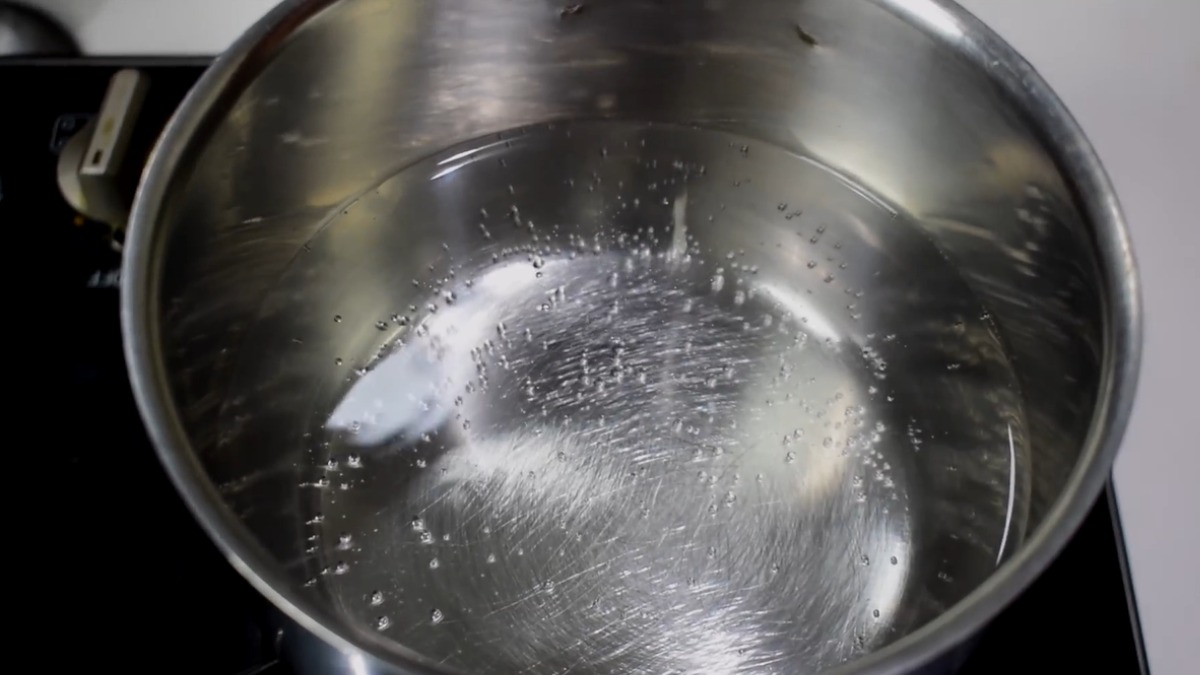
Take 1½ cups of water in a vessel.
Add salt to taste.
Bring the water to a proper boil.
The water should be hot when you add it to the rice flour. This helps the flour absorb the water and form a workable dough.
Step 3: Prepare the dough
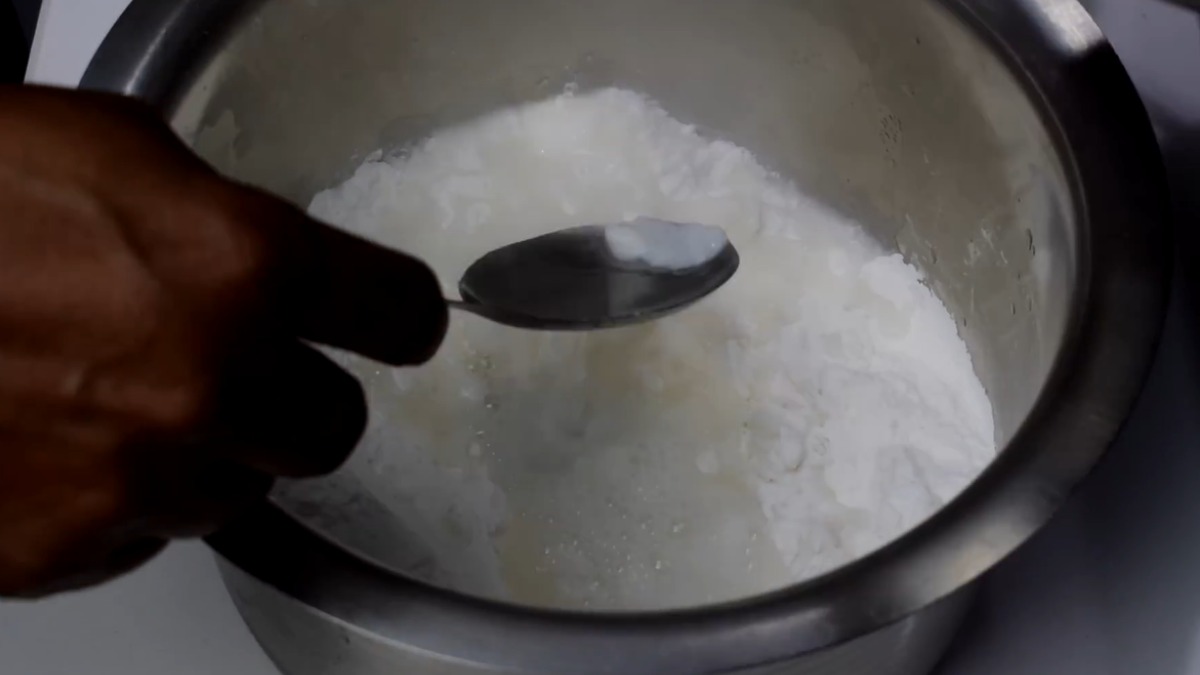
Take 300 grams of rice flour in a bowl.
Gradually add the boiled water.
Do not add all the water at once.
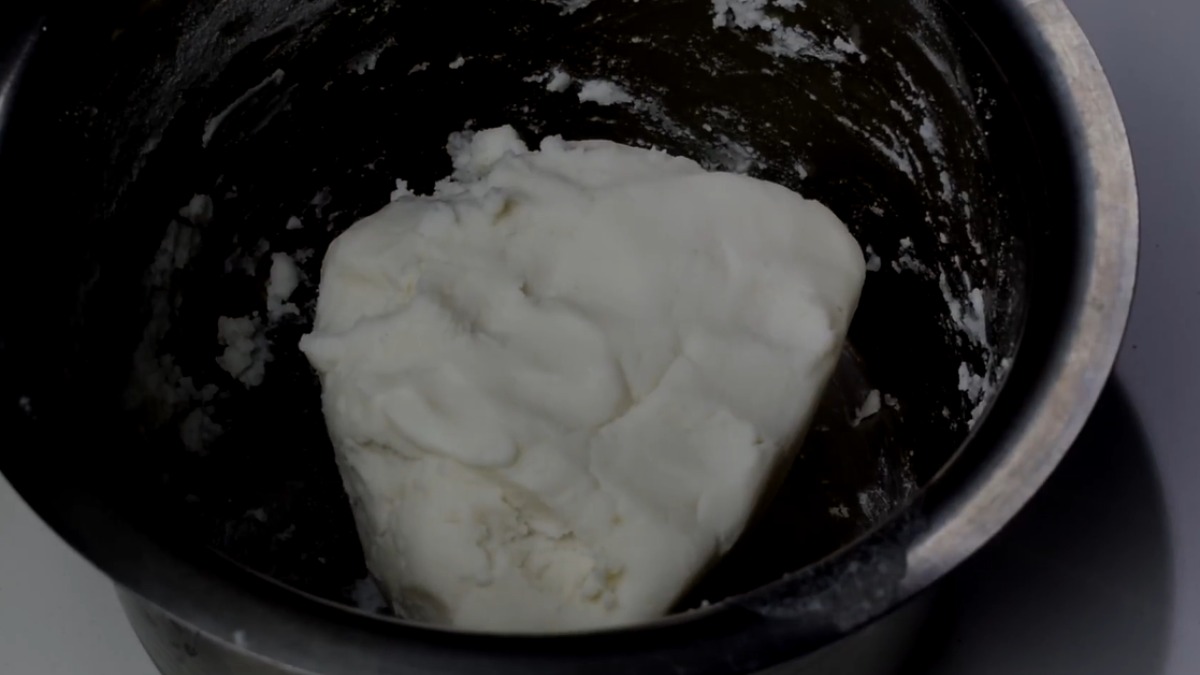
Mix as you add the water. Continue until you get a thick, soft dough.
The dough should hold together when pressed.
Add a little oil and mix well.
Allow the dough to cool enough to handle.
Step 4: Prepare the peanut stuffing
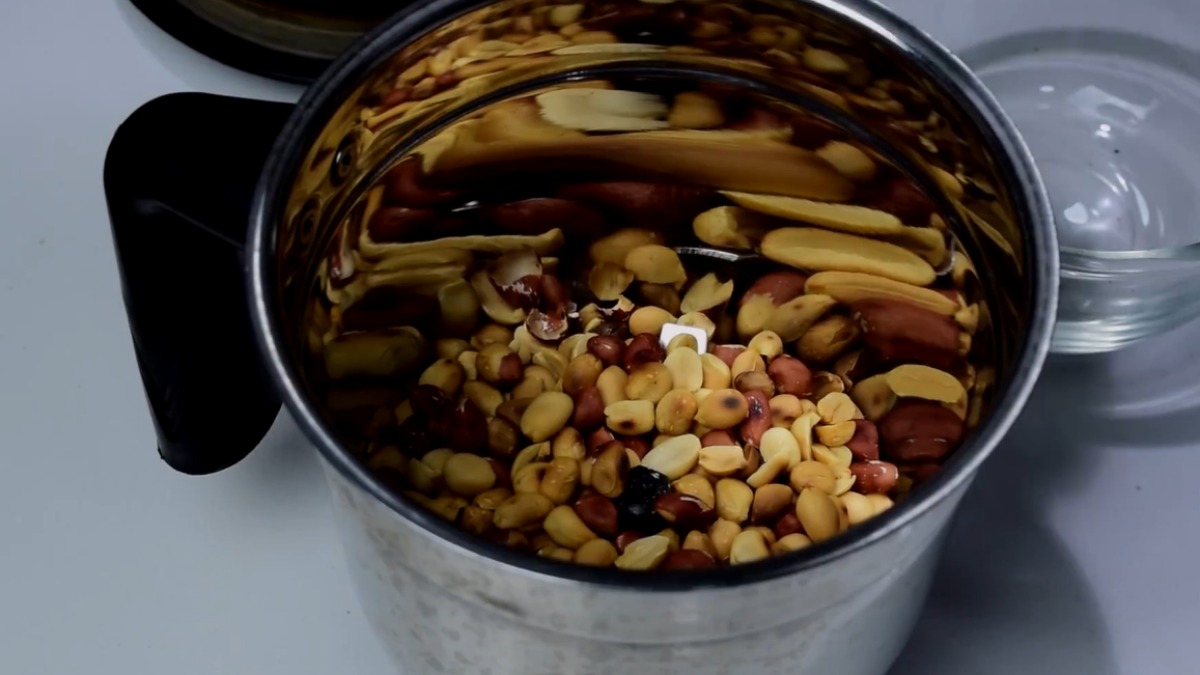
Take 150 grams of roasted peanuts.
Add the peanuts to a blender.
Add 2 cardamom pods.
Pulse and grind the peanuts coarsely.
Do not grind them into a completely smooth paste. A slightly coarse texture gives the filling a better bite.
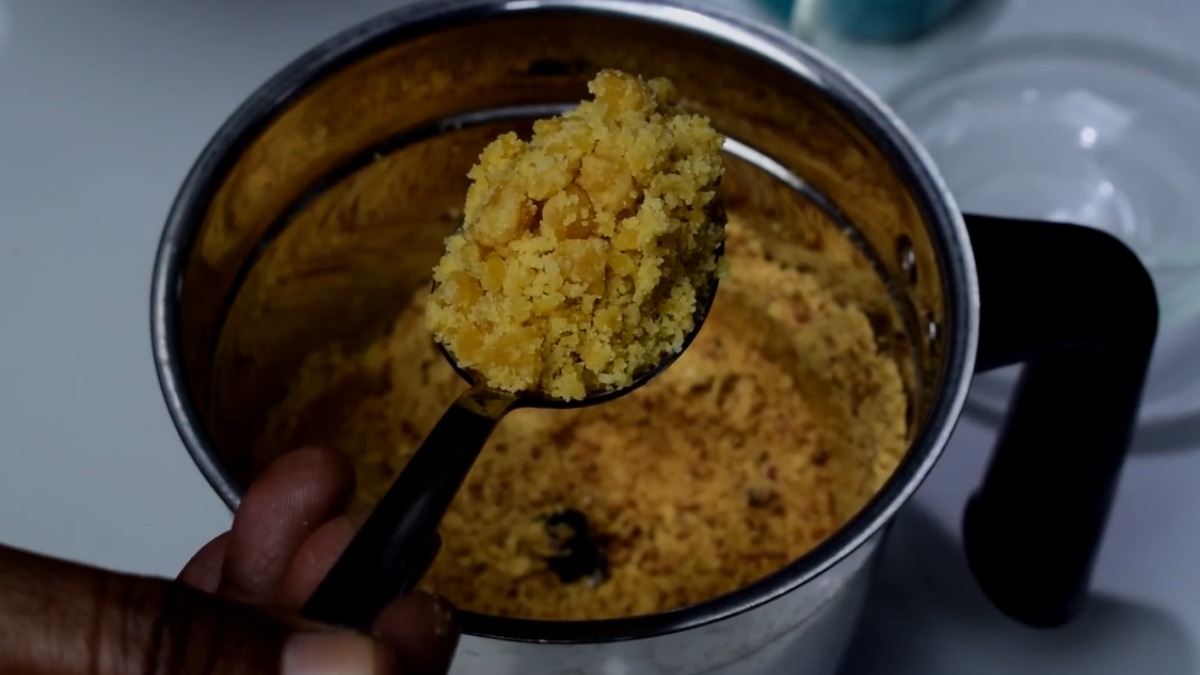
Add 3 tablespoons of powdered jaggery.
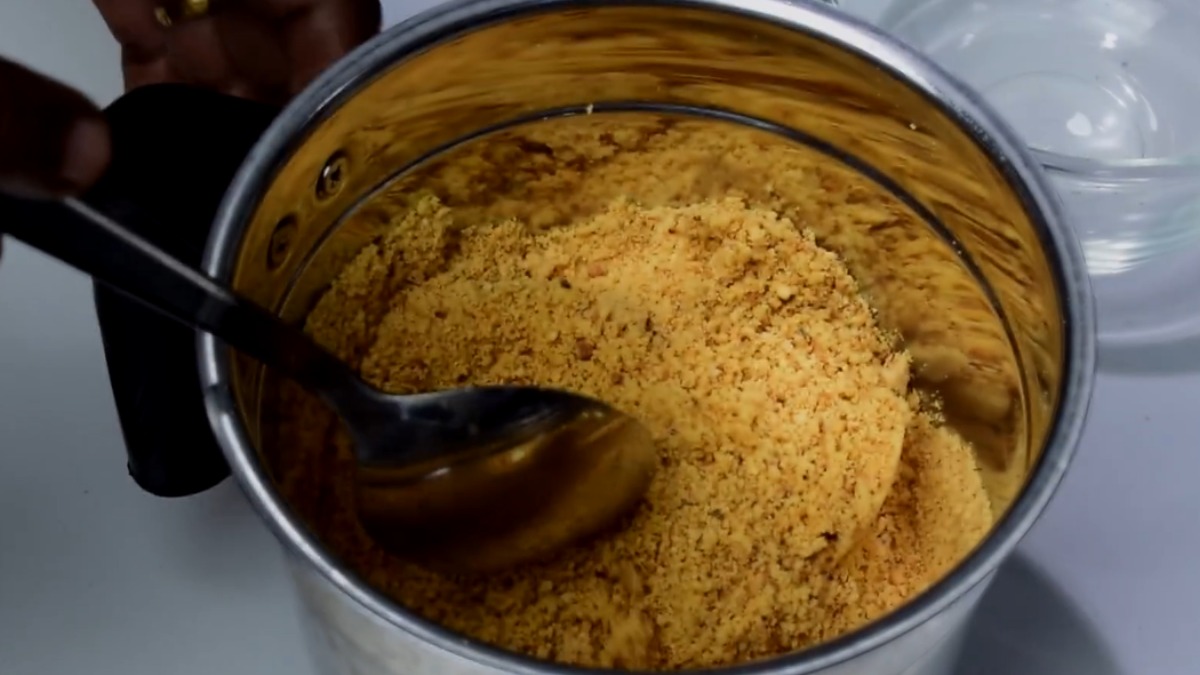
Pulse again until the jaggery combines well with the peanut mixture. Now the mixture is ready for the Peanut Kozhukattai recipe.
Keep the stuffing aside.
Step 5: Prepare your hands and sheet
Apply a small amount of oil to your hands.
Grease a butter sheet or banana leaf with a little oil.
This prevents the rice dough from sticking while you flatten it.
Step 6: Shape the outer layer
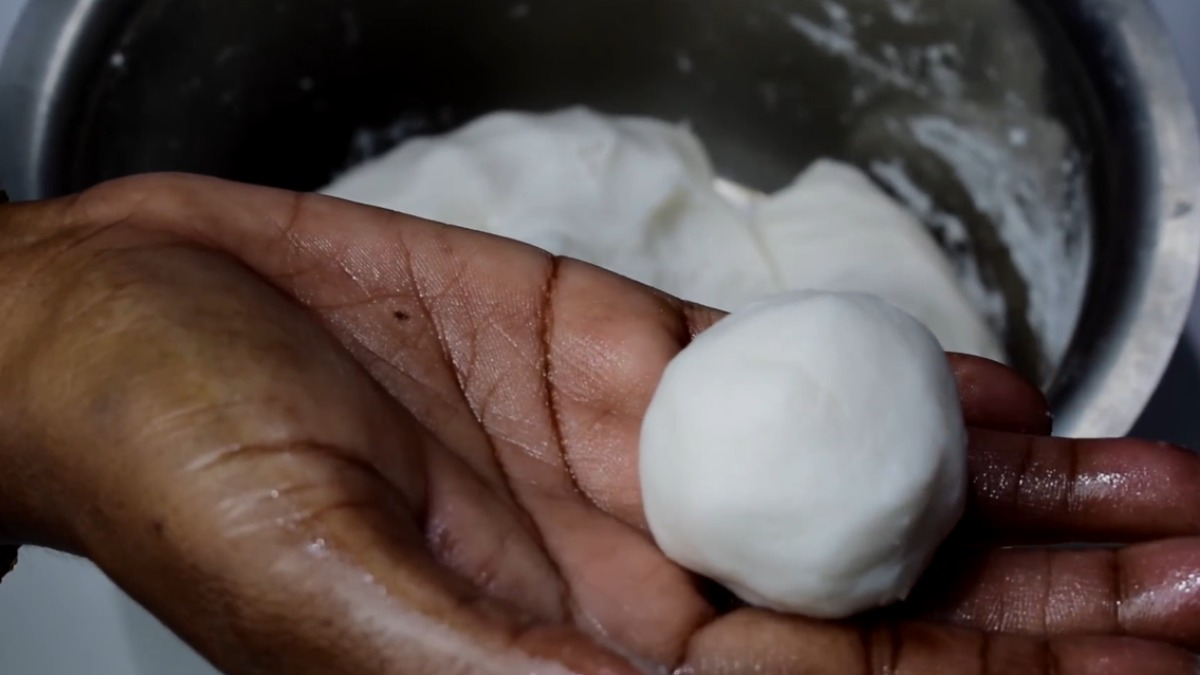
Take a small portion of dough.
Roll it gently between your palms to form a ball.
Place it on the greased butter sheet or banana leaf.
Flatten it gently with your fingers.
Try to make the outer layer reasonably even. Avoid making it too thin because it can tear when you add the filling.
Step 7: Add the peanut filling
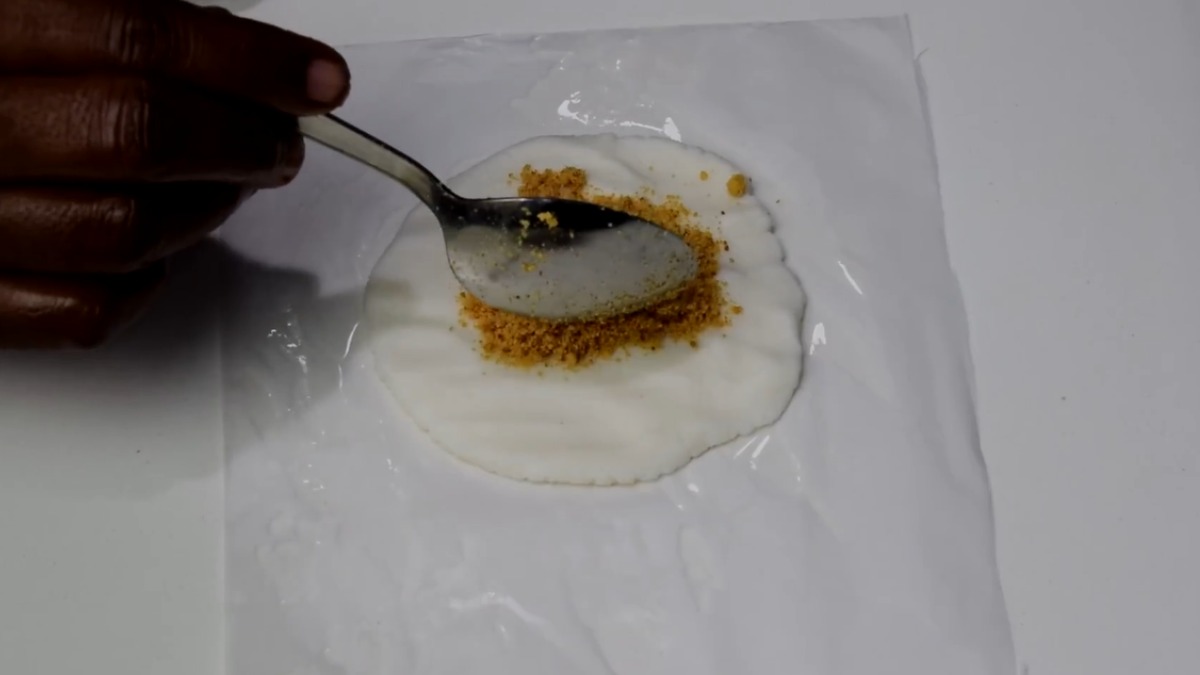
Take a small amount of peanut jaggery stuffing.
Place it in the center of the flattened dough.
Do not overfill it.
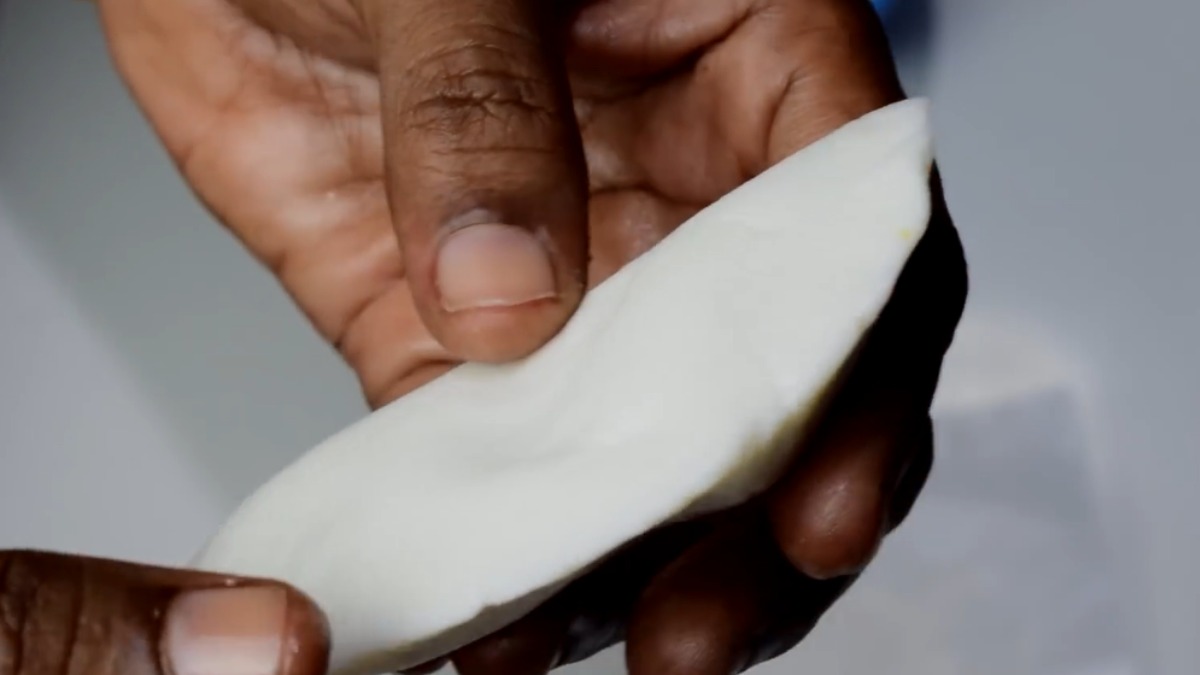
Bring the edges of the dough together carefully around the filling.
Close the stuffing completely.
Remove the shaped kozhukattai from the sheet.
If you prefer, use a modak mould instead. Place a portion of dough inside the mould, add the filling, close it with more dough, and gently release the modak.
Step 8: Steam the kozhukattai
Bring water to a boil in a steamer.
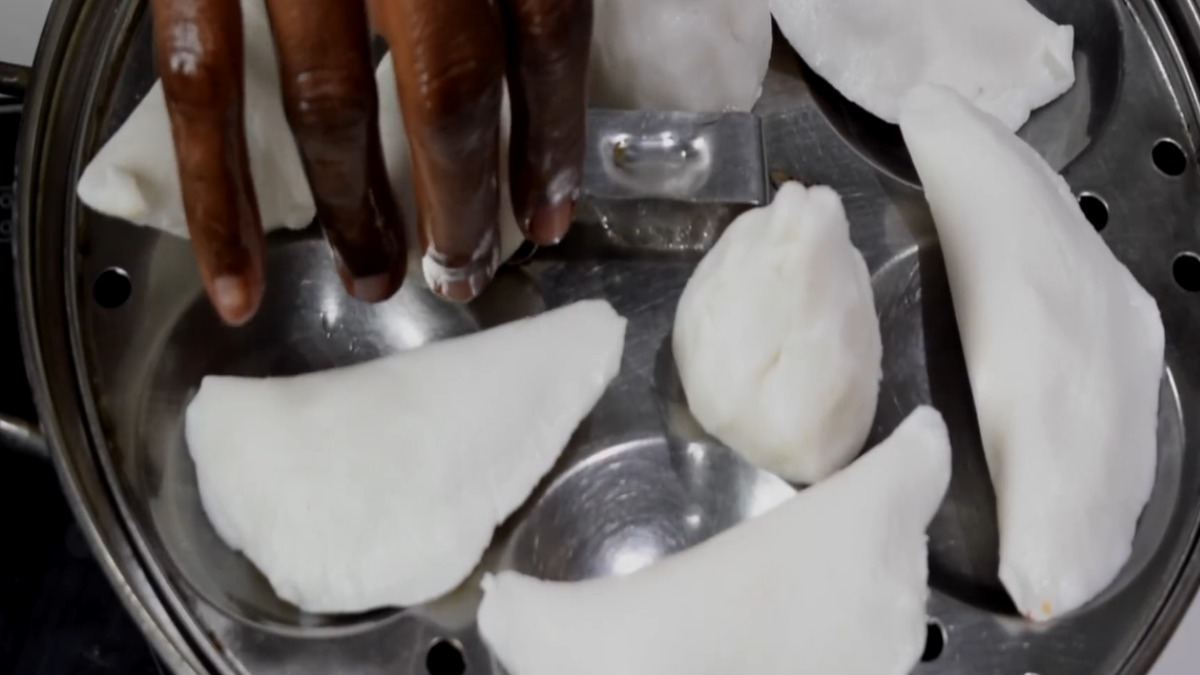
Arrange the prepared kozhukattai in the steaming plate.
Leave a little space between each piece so the steam can circulate.
Cover the steamer.
Steam for about 10 minutes.
Once cooked, the outer layer should look firm and cooked rather than raw or powdery.
Remove carefully and allow the kozhukattai to rest for a few minutes before serving.
To know how to make Kozhukattai in Tamil
Expert Tips for Perfect Kozhukattai Recipe
Getting the dough right is the most important part of this recipe.
- Add boiling water gradually. Different rice flours absorb different amounts of water.
- Do not make the dough too watery. A loose dough is difficult to shape.
- Do not make the dough too dry. Dry dough can crack while you flatten it.
- Add a little oil to improve the texture and make shaping easier.
- Keep the dough covered while you prepare the filling. This prevents the surface from drying.
- Grind the peanuts coarsely. A completely smooth filling can become dense.
- Do not overfill the kozhukattai. Too much stuffing can cause the outer layer to split.
- Flatten the dough evenly. Very thin areas can tear during shaping.
- Steam only after the water is boiling.
- Do not overcrowd the steamer.
- Allow the cooked kozhukattai to rest briefly before removing them.
Common Mistakes to Avoid
Adding too much water: This makes the dough sticky and difficult to shape. Add the water little by little.
Using cold water: Cold water does not give the same dough texture. Use properly boiled water.
Making the dough too dry: If the dough cracks when you flatten it, it may need a little more moisture. Add warm water carefully and knead again.
Over-grinding the peanuts: The filling should have some texture. Avoid turning the peanuts into a fine paste.
Adding too much jaggery: Too much jaggery can make the stuffing wet and difficult to handle.
Overfilling: Keep the amount of stuffing moderate. The dough needs enough space to close properly.
Steaming before the water boils: Start steaming once the water is producing steady steam.
Oversteaming: The recipe calls for around 10 minutes of steaming. Longer steaming can affect the texture.
Variations You May Try
Coconut jaggery kozhukattai
Replace the peanut filling with grated coconut and jaggery. Add cardamom for extra flavor.
Sesame kozhukattai
Use roasted sesame seeds with powdered jaggery. Grind them coarsely before filling.
Peanut coconut modak
Combine roasted peanuts and grated coconut with jaggery for a richer filling.
Mixed nut modak
Use roasted cashews, almonds, and peanuts. Grind them coarsely and mix with jaggery.
Savory kozhukattai
Skip the sweet filling and prepare a savory version using coconut, green chilli, curry leaves, mustard seeds, and other seasonings.
Serving Suggestions
Serve peanut kozhukattai warm or at room temperature.
It works well as:
- A festival sweet
- A pooja offering
- A homemade evening snack
- A tea-time sweet
- A special breakfast item
- A dish for family celebrations
You can serve the modak on its own because the peanut jaggery filling already provides sweetness and flavor.
How to Store and Reheat Kozhukattai
Freshly steamed kozhukattai tastes best on the same day.
If you have leftovers, allow them to cool completely before storing.
For short-term storage, place them in an airtight container and refrigerate.
To reheat:
Use a steamer rather than direct high heat. Steam them for a few minutes until they become soft and warm again.
Avoid reheating them repeatedly. Repeated heating can make the rice flour covering harder.
If you plan to store them for later, separate individual pieces before refrigerating so they do not stick together.
FAQs
Can I use store-bought rice flour for kozhukattai?
Yes. Store-bought raw rice flour works well. Homemade kozhukattai maavu is also a good option if you want to prepare the flour yourself.
Why is my kozhukattai dough cracking?
The dough may be too dry. Add a small amount of warm water and knead gently. Also make sure the dough does not dry out while you are shaping the other pieces.
Why is my kozhukattai sticky?
You may have added too much water. The type of rice flour also affects water absorption. Add water gradually next time.
Can I make kozhukattai without a mould?
Yes. You can shape it with your hands. A butter sheet or banana leaf makes it easier to flatten the dough and handle it.
Can I use any other fillings for kozhukatta?
Yes. Coconut jaggery, sesame jaggery, mixed nuts, and peanut coconut fillings are good alternatives.
How long should I steam kozhukattai?
Steam the prepared kozhukattai for about 10 minutes after the water has reached a good boil. Check the outer layer before removing them.
Can I prepare the filling in advance?
Yes. You can prepare the peanut jaggery filling ahead of time and store it in an airtight container. Keep it dry and use it when needed.
How do I know when kozhukattai is cooked?
The outer rice flour layer should look cooked and firm. It should not have a raw, powdery appearance. Around 10 minutes of steaming is usually enough for this preparation.
Kozhukattai or Modak Recipe with Peanut Jaggery Stuffing
Ingredients
For the dough:
For the filling:
For shaping:
Instructions
- Boil 1½ cups of water with a little salt.
- Take 300 grams of raw rice flour in a bowl.
- Add the boiled water gradually and mix to form a soft, thick dough.
- Add a little oil and mix well.
- Grind 150 grams of roasted peanuts and 2 cardamom pods coarsely.
- Add 3 tablespoons of powdered jaggery and pulse again.
- Apply a little oil to your hands.
- Take a small portion of dough and roll it into a ball.
- Place it on an oiled butter sheet or banana leaf.
- Flatten the dough evenly.
- Place some peanut jaggery filling in the center.
- Close the dough around the filling.
- Shape it by hand or use a modak mould.
- Bring water to a boil in a steamer.
- Place the prepared kozhukattai in the steamer.
- Steam for about 10 minutes.
- Remove carefully and serve warm.
Notes
- • Add water slowly because rice flour can absorb water differently.
• Keep the prepared dough covered so it does not dry.
• Use roasted peanuts for better flavor.
• Grind the peanut filling coarsely for a pleasant texture.
• Do not overfill the kozhukattai.
• Steam only after the water starts boiling.
• You can use homemade pacha arisi maavu or store-bought raw rice flour.
Kozhukattai is easy to make once you understand the dough. Start with the right consistency, keep the filling manageable, and steam the shaped pieces for about 10 minutes. This peanut jaggery version gives you a simple alternative to traditional coconut fillings and works well whenever you want to make homemade modak with everyday ingredients.
You may also like