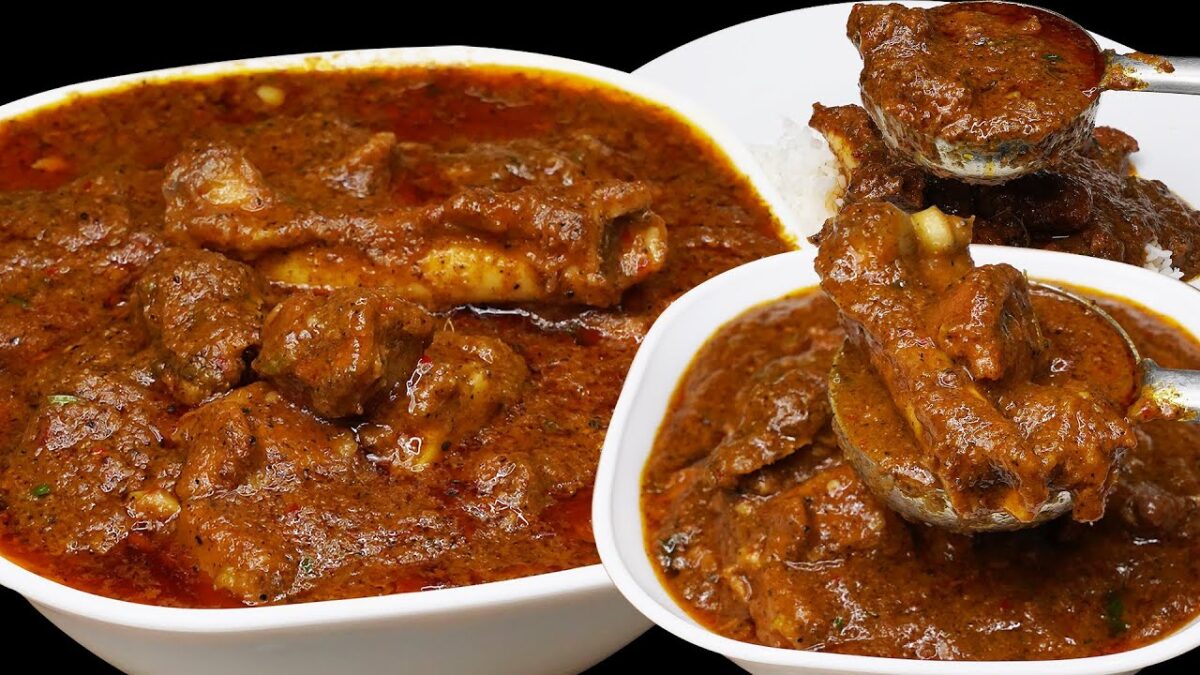
If you want a mutton gravy that is rich, spicy, aromatic, and perfect with rice or parotta, this recipe is worth trying. I make this gravy when I want the mutton to stay tender while the masala develops a deep, roasted flavour.
This Mutton Curry recipe starts with pressure-cooking the mutton with basic spices. While the mutton cooks, you can prepare a freshly roasted masala using coriander seeds, pepper, fennel, cumin, red chillies, onion, whole spices, poppy seeds, and coconut. The roasted ingredients give the gravy its body and flavour. You can even call this dish a Chettinad-style mutton gravy.
I especially like this Varutharacha mutton masala because you do not need complicated steps; it’s just roasting the spices well before grinding them. That one step makes a noticeable difference to the final gravy.
You can serve this mutton gravy recipe with steamed rice, ghee rice, dosa, idli, chapati, parotta, or biryani-style rice. You can also adjust the spice level to suit your family.
Check out these other mutton recipes such as Mutton Chukka Recipe, Pepper Mutton Curry
What Makes This Mutton Gravy Recipe Special?
This Mutton curry stands out because the masala is freshly roasted and ground instead of using only ready-made powders.
The roasted masala contains coriander seeds, pepper, fennel, cumin, dry red chillies, cinnamon, cloves, star anise, cardamom, poppy seeds, and coconut.
Here is what makes the gravy work really well:
- Freshly roasted whole spices give a stronger aroma.
- Pepper adds warmth and mild heat.
- Coriander seeds provide body and balance the spices.
- Fennel adds a slightly sweet, aromatic flavour.
- Coconut gives the gravy thickness and a smooth texture.
- Mutton stock carries the flavour from the meat into the gravy.
- Lemon juice adds freshness and balances the richness.
Why You Will Love This Mutton Gravy Recipe
- It uses simple ingredients that are easy to find.
- The gravy gets its flavour from freshly roasted spices.
- You can adjust the chilli and pepper according to your taste.
- The same gravy works with rice and Indian breads.
- You can prepare the mutton ahead of time and finish the gravy later.
- It does not require cream or a large amount of coconut milk.
- You can make it thicker or thinner depending on how you plan to serve it.
Mutton Gravy Ingredients
Mutton: Use bone-in mutton if possible. Bones add flavour to the cooking liquid and make the gravy more flavorful.
Chilli powder: This gives the mutton its basic heat and colour.
Turmeric powder: Turmeric adds colour and helps remove the raw smell of the meat.
Ginger-garlic paste: A small amount is used while pressure cooking the mutton.
Coriander seeds: Coriander seeds form the base of the roasted masala and add a mild earthy flavour.
Black pepper: Pepper gives the gravy its characteristic warmth. Reduce it if you prefer a milder gravy.
Fennel seeds: Fennel adds a sweet, aromatic note that works especially well with mutton.
Cumin seeds: Cumin adds a warm, earthy flavour.
Dry red chillies: Use more or fewer chillies according to their heat level and your preference.
Onions: Onions provide sweetness and body to the masala. Cook them until they turn brown for a deeper flavour.
Cinnamon: Cinnamon adds warmth and aroma.
Cloves: Add a strong aromatic note.
Star anise: Gives the masala a distinctive fragrance.
Green cardamom: Adds a fresh, aromatic flavour.
Poppy seeds: Give the masala a thicker texture.
Grated coconut: Coconut gives the gravy body and helps create a smooth masala.
Green chillies: These add fresh chilli flavour.
Garlic: Gives the gravy a stronger savoury flavour.
Ginger: Fresh ginger adds aroma and balances the richness of the gravy.
Curry leaves: Add a South Indian flavour and aroma.
Lemon juice: Add this near the end to give the gravy a mild tang.
Coriander leaves: Use freshly chopped coriander leaves for finishing.
Ingredients Substitutions
Mutton: You can use bone-in goat meat or boneless mutton. Bone-in pieces generally give a more flavorful stock.
Coconut: Fresh grated coconut gives the best texture. If unavailable, you can use frozen grated coconut. Desiccated coconut can also work, but use it carefully because it has a different texture and flavour. You can even skip using the coconut.
Poppy seeds: If you do not have poppy seeds, you can skip them or use a few pieces of cashews. The gravy will still work.
Coriander seeds: Do not replace coriander seeds completely with coriander powder if you want the same roasted flavour. The whole seeds are important to this particular masala.
Fresh ginger-garlic: You can use ginger-garlic paste if needed. Freshly chopped ginger and garlic give a stronger flavour during the final tempering.
How to Make Mutton Gravy Recipe
Step 1: Pressure cook the mutton
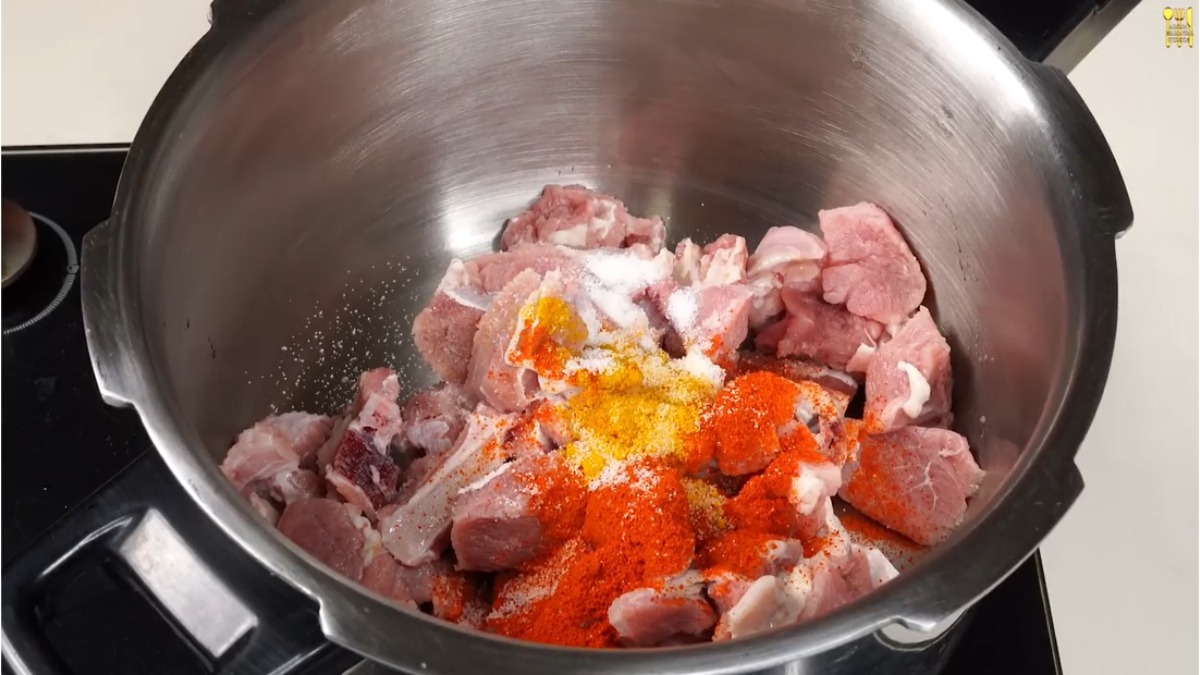
Take 500 grams of mutton in a pressure cooker.
Add 1 tablespoon chilli powder, ¼ teaspoon turmeric powder, salt, ¼ teaspoon ginger-garlic paste, and 1 cup water.
Mix everything well so the spices coat the meat.
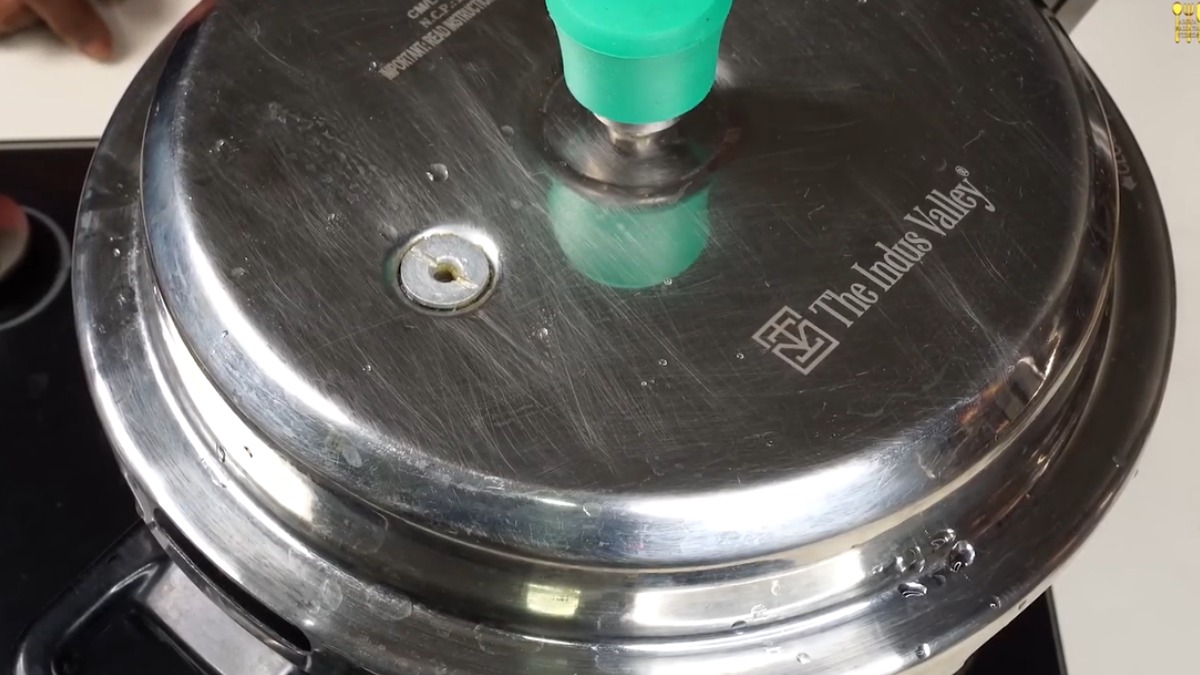
Close the pressure cooker and cook for about 6 to 7 whistles, depending on the type and tenderness of the mutton and your pressure cooker.
Let the pressure release naturally before opening the cooker.
Keep the cooked mutton and its cooking liquid aside. Do not discard the stock because it will add flavour to the gravy.
Step 2: Roast the spices
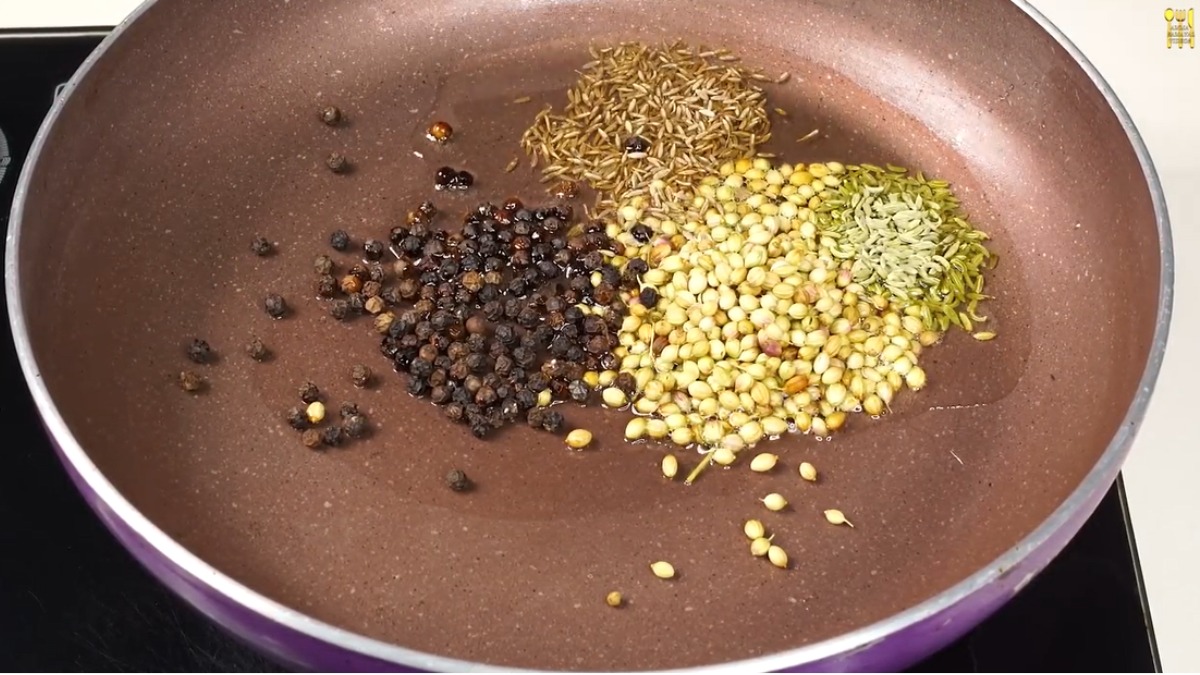
Heat 1 tablespoon cooking oil in a pan over medium heat.
Add coriander seeds, black pepper, fennel seeds, and cumin seeds.
Roast them while stirring continuously.
Keep the heat medium or low. The spices should become aromatic without turning black.
Step 3: Add red chillies and onions
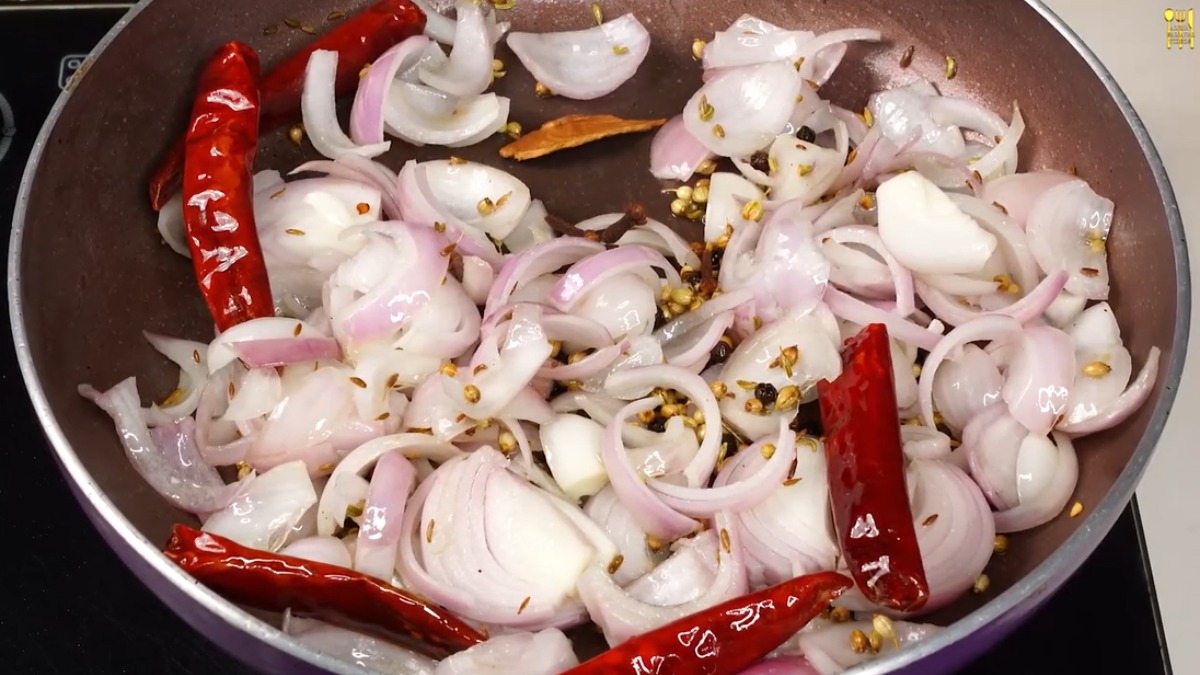
Add 4 dry red chillies.
Then add 3 chopped onions.
Sauté until the onions become brown and well cooked.
Do not rush this step. Properly cooked onions add sweetness and depth to the gravy.
If you want a slightly tangy gravy, you can add chopped tomatoes at this stage and cook them until soft.
Step 4: Add the whole spices
Add cinnamon, cloves, star anise, and green cardamom.
Sauté for a short time until the spices become fragrant.
Step 5: Add poppy seeds and coconut
Add ½ teaspoon poppy seeds and ¾ cup grated coconut.
Mix well.
Cook briefly so the coconut gets lightly roasted.
Turn off the stove.
Do not over-roast the coconut. Burning it can make the gravy taste bitter.
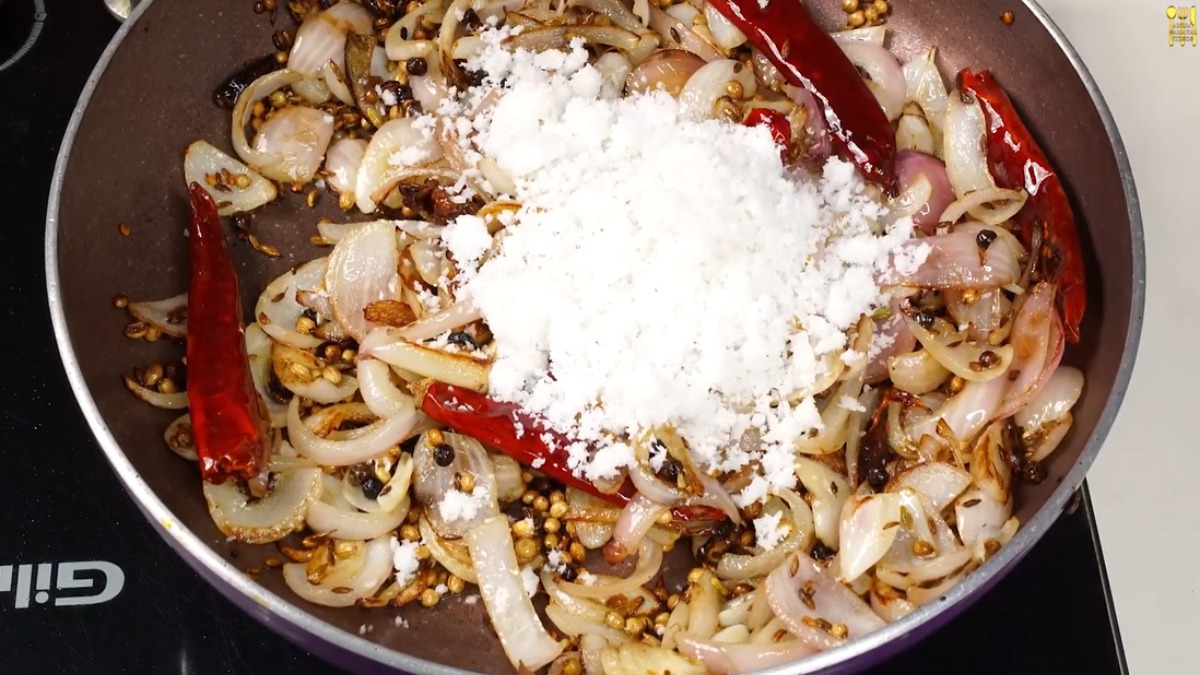
Step 6: Grind the masala
Allow the roasted mixture to cool slightly.
Transfer it to a mixer jar.
Grind it into a smooth paste.
Add a small amount of water only if required to help the mixer run.
Try to keep the paste fairly thick because you will add more liquid later.
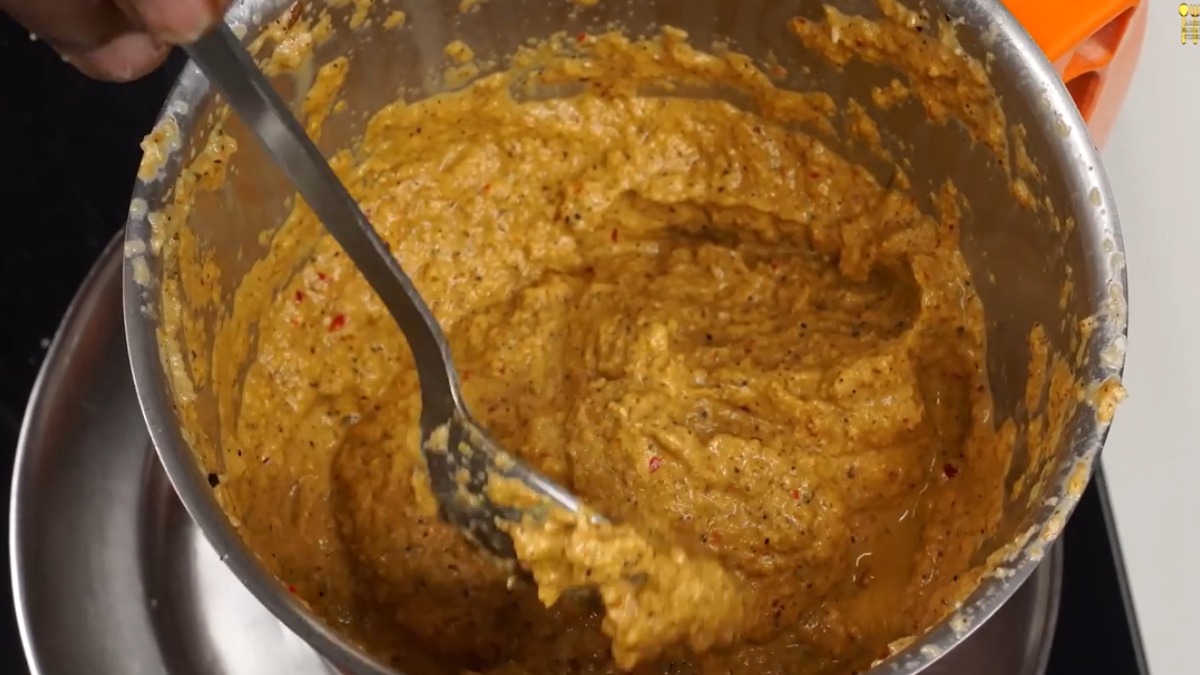
Step 7: Prepare the finishing base
Heat oil in another cooking pan.
Add 2 chopped green chillies, 10 finely chopped garlic cloves, finely chopped ginger, and curry leaves.
Sauté for about 2 minutes.
The garlic and ginger should become fragrant.
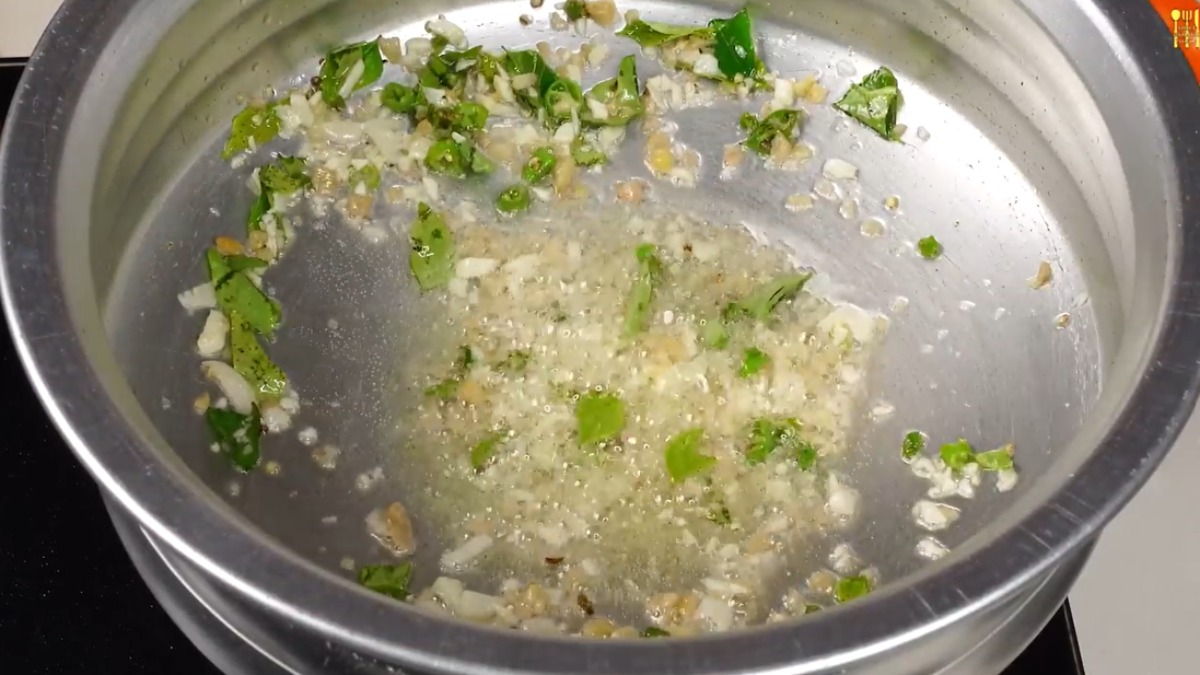
Step 8: Cook the ground masala
Add the freshly ground masala paste.
Add a small amount of water if needed.
Mix well and cook over medium heat for about 5 minutes.
Keep stirring.
The masala should become darker, and the raw smell should disappear.
For this recipe, do not leave the masala watery at this stage. Cook it until it becomes thick and well roasted before adding the mutton.
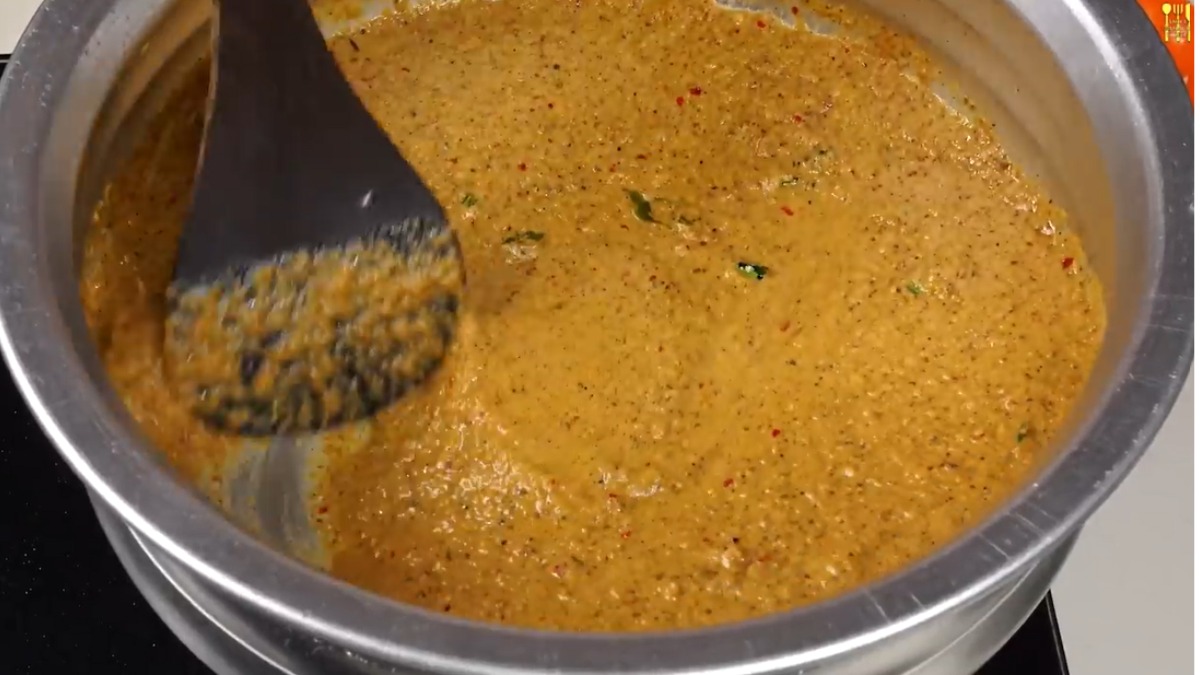
Step 9: Add the cooked mutton
Add the pressure-cooked mutton along with its cooking liquid.
Mix everything well.
The mutton stock will loosen the thick masala and turn it into gravy.
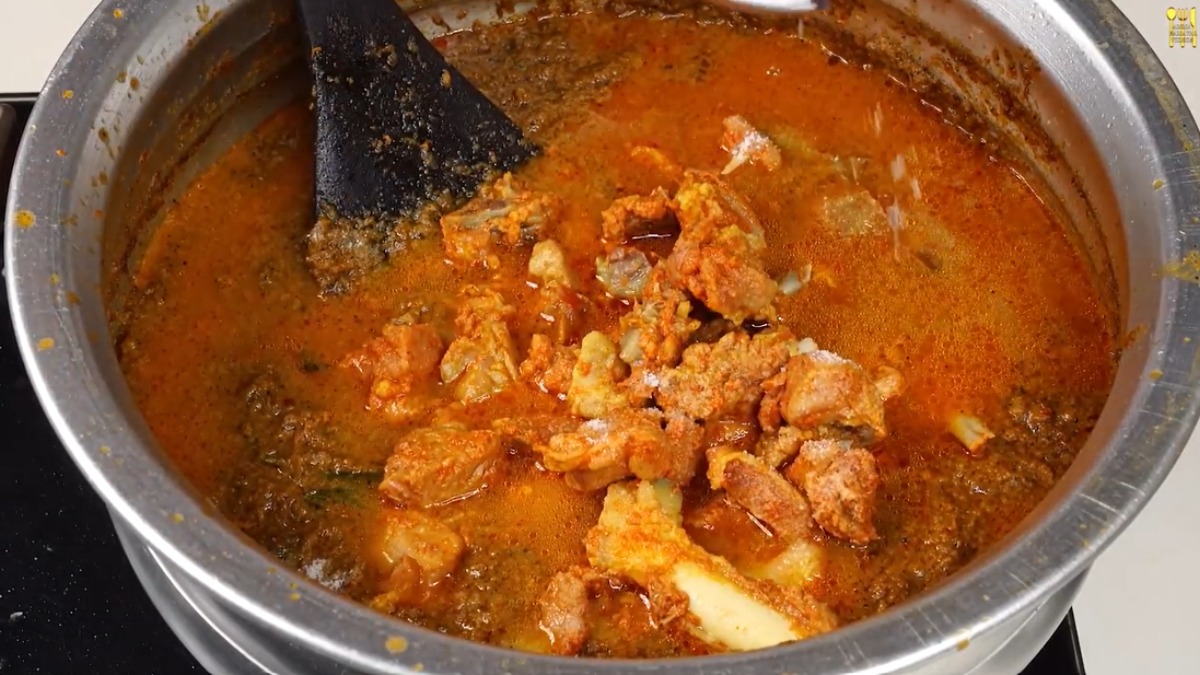
Step 10: Season and finish
Taste the gravy.
Add salt if needed.
Add the juice of ½ lemon.
Mix well.
Cook for another 5 minutes over medium heat.
Stir occasionally to prevent the masala from sticking to the bottom.
Turn off the stove and add freshly chopped coriander leaves.
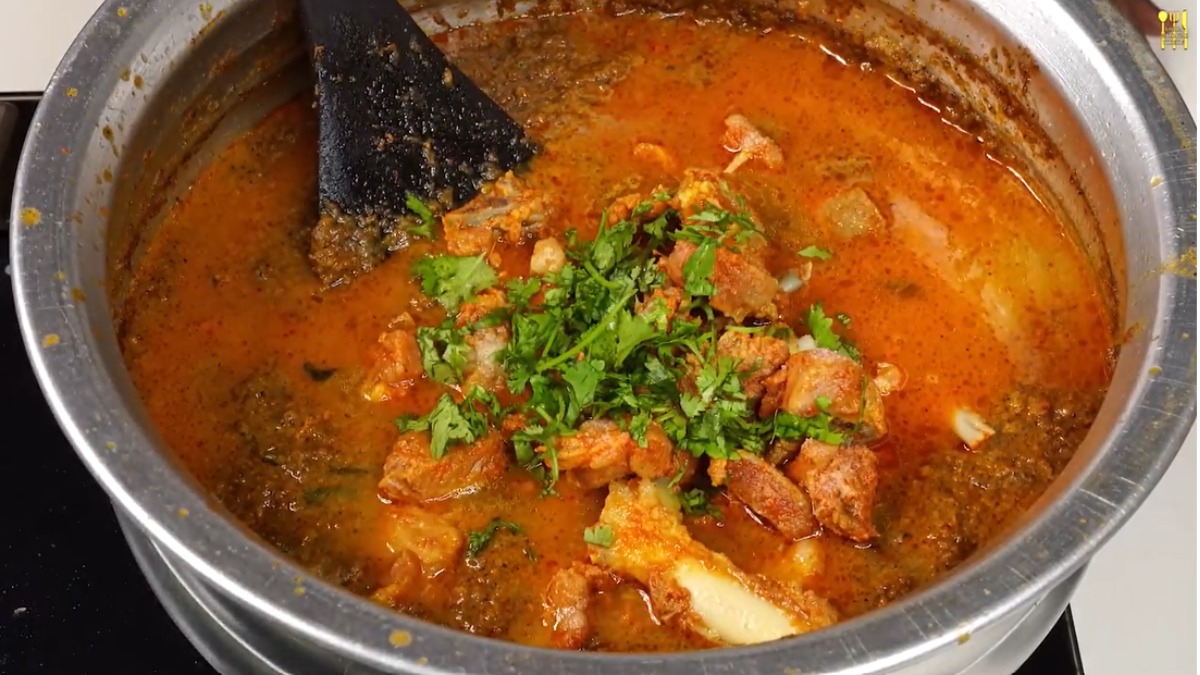
Your mutton gravy is ready to serve.
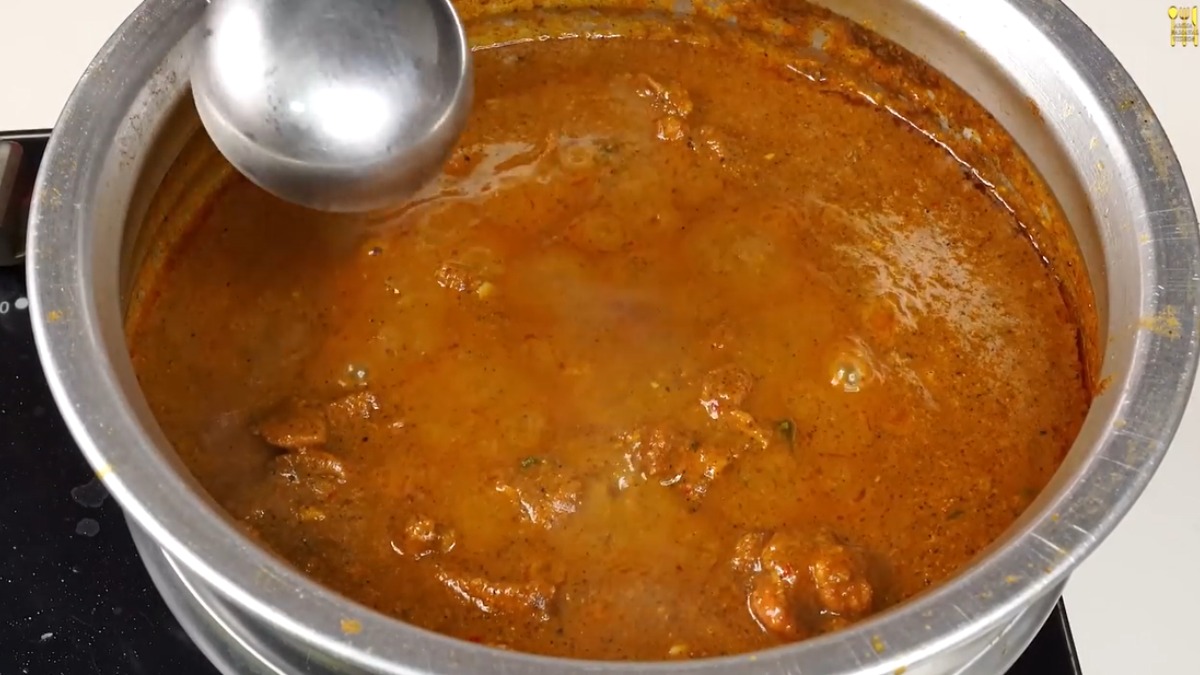
Check out here to watch the Mutton Gravy in Tamil
Expert Tips for Perfect Mutton Gravy
- Choose mutton with some bone. Bone-in pieces usually give better flavour to the cooking stock.
- Do not burn the spices. Burnt coriander, pepper, or coconut can make the entire gravy bitter.
- Roast the masala patiently. The raw smell of onions and spices should disappear before you grind the mixture.
- Do not add too much water while grinding. A thick masala paste is easier to cook properly.
- Keep the cooked mutton stock. It contains flavour from the meat and spices.
- Taste before adding more salt. The mutton was already cooked with salt, so the final gravy may need only a small adjustment.
- Add lemon juice at the end. This keeps the fresh tanginess noticeable.
- Use medium heat while cooking the masala. High heat can make the coconut and spices stick to the pan.
- For a thicker mutton gravy, cook uncovered for a few extra minutes.
- For a thinner gravy, add a little hot water and simmer until everything combines.
Common Mistakes to Avoid
Using too much water: Too much water can make the gravy thin and dilute the roasted masala. Add water gradually.
Burning the coconut: Coconut burns quickly. Keep the heat low while roasting it.
Under-cooking the onions: Raw onions can give the masala a sharp taste. Cook them until properly browned.
Not cooking the ground masala: Adding the ground paste directly to the mutton can leave a raw spice flavour. Cook the paste until it becomes aromatic and the raw smell disappears.
Discarding the mutton stock: The cooking liquid contains valuable flavour. Use it in the gravy.
Adding lemon too early: Long cooking can reduce the fresh flavour of lemon juice. Add it near the end.
Using very high heat: High heat can burn the masala at the bottom while the top remains undercooked. Medium heat gives you better control.
Easy Mutton Gravy Recipe Variations You May Try
Spicy mutton gravy
Increase the dry red chillies or black pepper. Add gradually because both ingredients contribute heat. This dish is perfect with mild rice or Parotta.
Tomato mutton gravy
Add 1 or 2 chopped tomatoes while cooking the onions. Cook until the tomatoes become soft before continuing with the masala.
Increase the black pepper slightly and reduce the dry red chillies. This gives you a stronger pepper flavour. It works well during the winter and rainy season.
Coconut-rich mutton gravy
Add a little more grated coconut if you prefer a thicker and richer gravy. Avoid adding too much because it can overpower the spices.
You may also like Madurai-Style Mutton Ennai Chukka
Serving Suggestions for Mutton Gravy
This mutton thokku recipe pairs well with:
- Steamed rice
- Ghee rice
- Jeera rice
- Vegetable pulao
- Dosa
- Idli
- Chapati
- Parotta
- Appam
- Biryani
For breakfast or dinner, serve it with dosa, idli, chapati, or parotta.
How to Store and Reheat Mutton Gravy Recipe
Store:
- Allow the gravy to cool before storing it.
- Transfer it to a clean, airtight container.
- Refrigerate and use within 2 to 3 days for best quality.
- If you want to store it for longer, freeze it in small portions. This makes reheating easier and prevents repeated thawing.
- Always use a clean spoon when taking gravy from the container.
Reheat:
- For refrigerated gravy, transfer the required portion to a pan.
- Heat over medium-low heat.
- Add a small splash of water if the gravy has become too thick.
- Stir occasionally until the gravy is heated thoroughly.
- For frozen gravy, thaw it in the refrigerator before reheating when possible.
- Avoid repeatedly reheating the entire batch. Reheat only the portion you plan to eat.
How to Choose Mutton for Gravy
Good mutton makes a noticeable difference to the final dish.
When buying mutton, look for:
- Fresh meat with a clean smell.
- Firm pieces rather than very soft or slimy meat.
- A good mix of meat and bone.
- Pieces cut into similar sizes so they cook more evenly.
For gravy, shoulder, leg, and other bone-in curry pieces can work well. Ask your butcher for pieces suitable for curry if you are unsure.
Frequently Asked Questions (FAQs)
Can I make this mutton gravy without coconut?
Yes. You can reduce or skip the coconut, but the texture and flavour will change. Coconut gives the gravy body and a smoother consistency.
Why is my mutton gravy bitter?
The most common reason is burnt spices or coconut. Roast the ingredients over medium or low heat and stir continuously.
How do I make mutton gravy thicker?
Cook the gravy uncovered over medium heat until excess moisture evaporates. You can also use a slightly thicker ground masala.
Can I use boneless mutton?
Yes. Boneless mutton works, but bone-in mutton generally gives more flavour to the cooking stock.
Can I add tomato to this mutton gravy?
Yes. Add chopped tomato while sautéing the onions. Cook until the tomato becomes soft before continuing with the remaining steps.
How many whistles are needed to cook mutton?
This recipe uses about 6 to 7 whistles, but the exact cooking time depends on the age and cut of the mutton, the size of the pieces, and your pressure cooker.
Can I prepare the masala in advance?
Yes. You can prepare the roasted masala paste ahead of time and refrigerate it in an airtight container. Use a clean spoon and cook it thoroughly before adding the mutton.
Mouth-watering varutharacha mutton gravy
Ingredients
For the mutton
For the roasted masala
For finishing
Instructions
- Add mutton, chilli powder, turmeric powder, salt, ginger-garlic paste, and water to a pressure cooker.
- Mix well and pressure cook for about 6 to 7 whistles, or until the mutton becomes tender. Keep the cooked mutton and its stock aside.
- Heat oil in a pan.
- Add coriander seeds, pepper, fennel seeds, and cumin seeds. Roast until aromatic.
- Add dry red chillies and chopped onions. Sauté until the onions turn brown.
- Add cinnamon, cloves, star anise, and cardamom.
- Add poppy seeds and grated coconut. Mix briefly and turn off the heat.
- Cool the mixture slightly and grind it into a smooth paste.
- Heat oil in another pan.
- Add green chillies, chopped garlic, ginger, and curry leaves. Sauté for about 2 minutes.
- Add the ground masala and cook for about 5 minutes.
- Keep stirring until the raw smell disappears and the masala becomes darker and well cooked.
- Add the cooked mutton along with its stock.
- Add salt if needed and mix well.
- Add lemon juice and coriander leaves.
- Cook for another 5 minutes over medium heat, stirring occasionally.
- Serve hot with rice, parotta, dosa, idli, chapati, or pulao.

Notes
- You can add chopped tomatoes while sautéing the onions if you prefer a slightly tangy gravy.
The amount of chilli and pepper can be adjusted according to your taste.
Keep the mutton stock. It helps build the flavour and consistency of the gravy.
Do not burn the roasted masala.
Cook the ground masala properly before adding the mutton.
For a thicker gravy, simmer it uncovered for a few extra minutes.
For a thinner gravy, add a little hot water and simmer until the gravy reaches your preferred consistency.