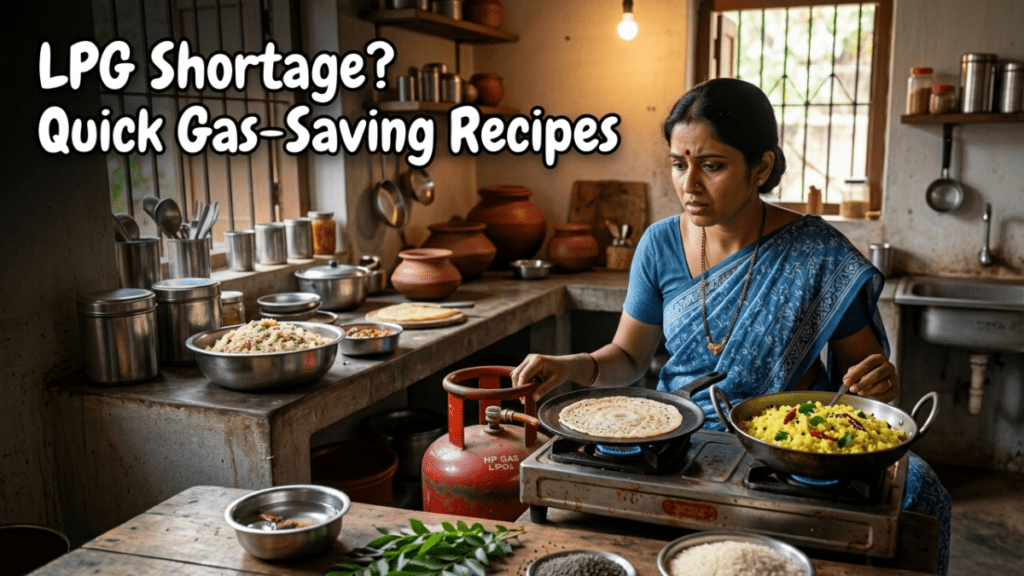
An LPG shortage can disrupt daily life in ways we often take for granted – especially in the kitchen. Cooking, which is usually a comforting routine, suddenly becomes a challenge when you have to think twice before turning on the gas stove. But here’s the good news: South Indian cuisine, with its simplicity, diversity, and smart cooking techniques, offers plenty of delicious solutions that use minimal gas without compromising on taste or nutrition.
In fact, many traditional South Indian dishes were designed with efficiency in mind – quick cooking times, one-pot methods, fermentation, and even no-cook options. Whether you’re a student, a working professional, or managing a household, these recipes can help you navigate an LPG shortage smoothly.
This article explores practical, Gas-Saving Recipes, along with their ingredients, step-by-step instructions, and health benefits. Let’s turn this challenge into an opportunity to cook smarter.
Why Choose Low-Gas Cooking?
Before diving into recipes, it’s important to understand why these dishes work well during an LPG shortage:
- Short cooking time reduces gas consumption
- One-pot meals save both fuel and effort
- Fermented foods reduce cooking time and improve digestion
- No-cook or minimal-cook options eliminate the need for gas altogether
For example, instead of cooking multiple dishes like sambar, poriyal, and rice separately, a one-pot dish like pongal can do the job efficiently.
Gas-Saving South Indian Recipes
1. Rava Upma – The 10-Minute Savior
Ingredients
- 1 cup rava (semolina)
- 2 cups water
- 1 small onion (chopped)
- 1 green chili (optional)
- Mustard seeds, curry leaves
- Salt to taste
- 1–2 tsp oil
Instructions
- Heat oil in a pan and add mustard seeds and curry leaves.
- Add chopped onions and sauté briefly (2–3 minutes).
- Add water and bring it to a boil.
- Add rava slowly while stirring to avoid lumps.
- Cook for 3–5 minutes until it thickens.
Example
If you’re rushing in the morning with limited gas, upma is a perfect breakfast – you’re done before your tea even cools down.
Health Benefits
- Light on the stomach
- Provides quick energy due to carbohydrates
- Can be made healthier with vegetables like carrots and beans
2. Aval (Poha) Upma – Almost No Cooking Needed
Ingredients
- 1 cup aval (poha)
- 1 onion (optional)
- Peanuts
- Curry leaves, mustard seeds
- Lemon juice
- Salt
Instructions
- Wash and soak aval for 2–3 minutes; drain excess water.
- Heat oil, add mustard seeds, peanuts, and curry leaves.
- Add onions (optional) and sauté briefly.
- Add aval, salt, and mix gently.
- Turn off the flame and add lemon juice.
Example
If your gas cylinder is almost empty, you can skip onions and make this with just a quick tempering.
Health Benefits
- Easy to digest
- Low in fat
- Good source of iron (especially red poha)
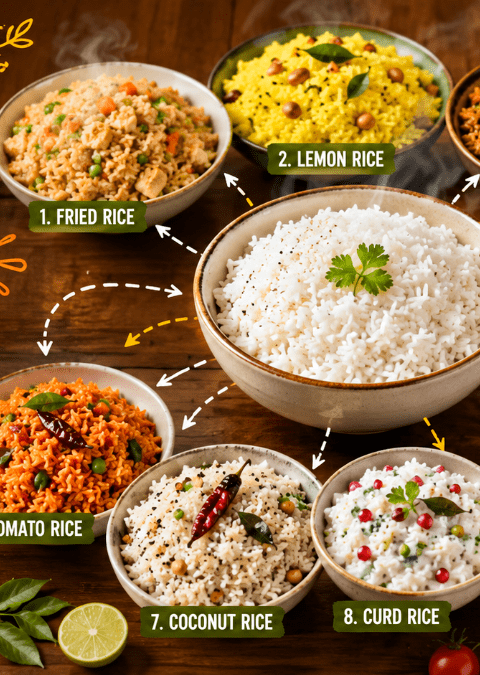
3. Curd Rice – Comfort Without Cooking
Ingredients
- 1 cup cooked rice or leftover
- 1 cup curd (yogurt)
- Salt
- Optional: grated carrot, cucumber
Instructions
- Mash the rice slightly.
- Add curd and salt.
- Mix well and add raw vegetables if desired.
Example
After lunch, instead of reheating food for dinner, just turn leftover rice into curd rice – no gas required.
Health Benefits
- Excellent for gut health (probiotics)
- Cooling effect on the body
- Easy to digest, especially in hot climates
4. Lemon Rice – Quick Flavor
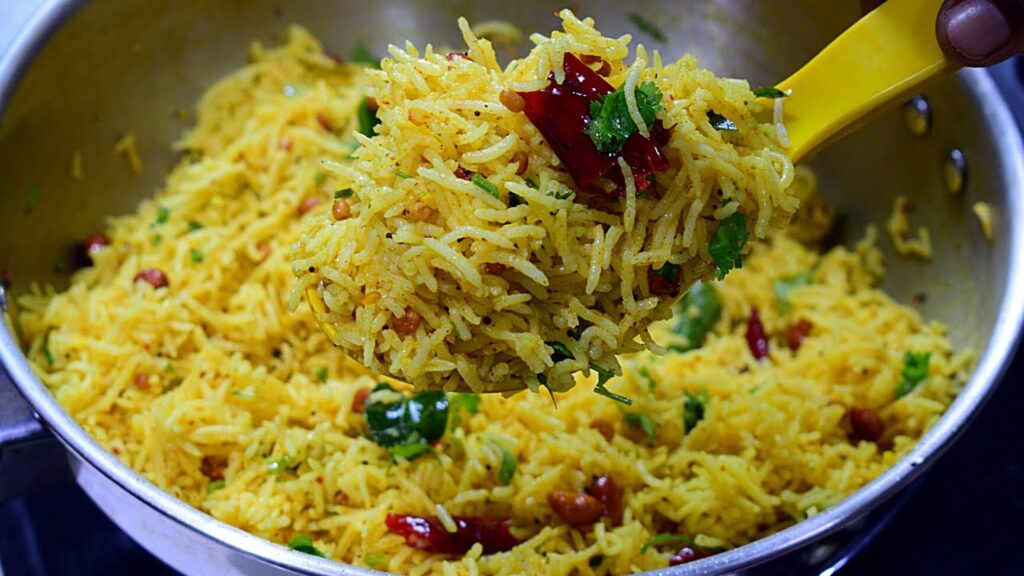
Ingredients
- 1 cup cooked rice
- 1 tbsp oil
- Mustard seeds, curry leaves
- Peanuts
- Turmeric powder
- Lemon juice
- Salt
Instructions
- Heat oil, add mustard seeds, peanuts, and curry leaves.
- Add turmeric and cooked rice.
- Mix well and turn off the flame.
- Add lemon juice and salt.
Example
Leftover rice from the morning can easily become a flavorful evening meal in under 5 minutes.
Health Benefits
- Vitamin C from lemon boosts immunity
- Light and refreshing
- Peanuts add protein and crunch
5. Ven Pongal – One-Pot Comfort Meal
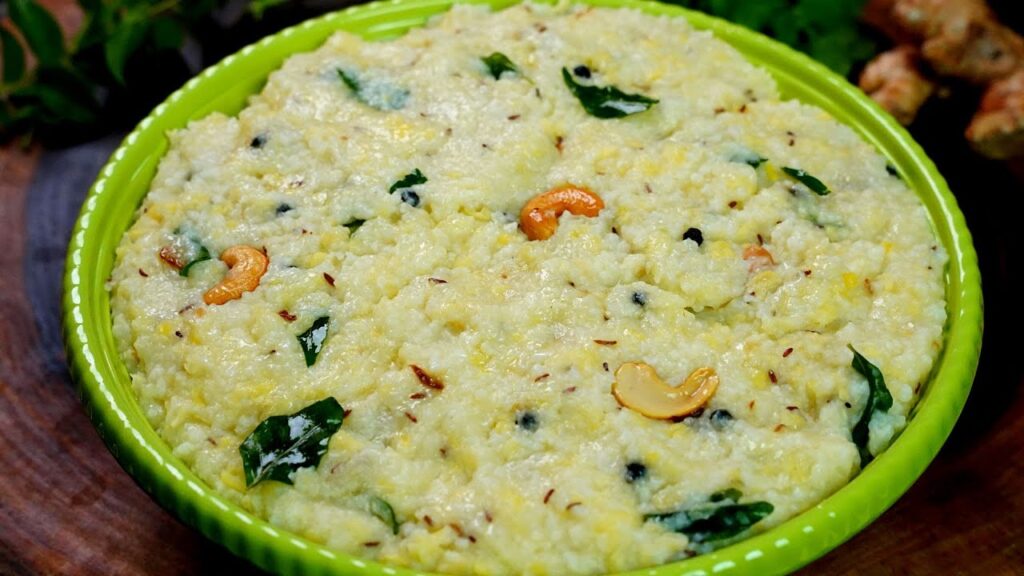
Ingredients
- 1/2 cup rice
- 1/4 cup moong dal
- 3 cups water
- Pepper, cumin seeds
- Ginger
- Salt
- 1 tbsp ghee (optional)
Instructions
- Add rice, dal, and water to a pressure cooker.
- Cook for 3–4 whistles.
- Heat the ghee, add cumin, pepper, and ginger.
- Mix into cooked rice-dal mixture.
Example
Instead of cooking rice and dal separately, pongal combines both – saving time and gas.
Health Benefits
- High in protein and carbs
- Gentle on the stomach
- Ideal for all age groups
6. Egg Podimas – Protein in Minutes
Ingredients
- 2–3 eggs
- 1 onion
- Green chili
- Curry leaves
- Salt
Instructions
- Heat oil and sauté onions, chili, and curry leaves.
- Crack eggs directly into the pan.
- Scramble and cook for 3–4 minutes.
Example
When you need something filling but quick, egg podimas pairs well with bread or leftover rice.
Health Benefits
- Rich in protein
- Keeps you full longer
- Supports muscle health
7. Rava Dosa – No Fermentation
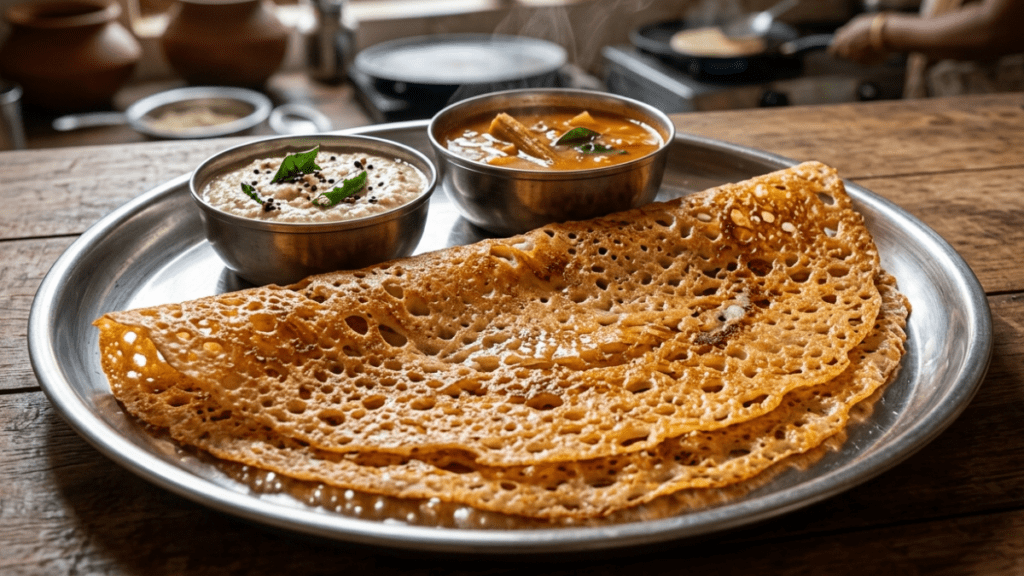
Ingredients
- 1 cup rava
- 1/2 cup rice flour
- 1/4 cup maida
- Water
- Salt
Instructions
- Mix all ingredients into a thin batter.
- Pour into a hot pan.
- Cook until crispy.
Example
Unlike regular dosa, you don’t need to plan – perfect for sudden hunger during a gas shortage.
Health Benefits
- Light and crispy
- Can be made healthier with added spices and herbs
Smart Cooking Tips During LPG Shortage
- Cook once, eat twice: Prepare larger quantities
- Use a pressure cooker: Saves up to 50% gas
- Avoid deep frying: It uses more fuel
- Reuse leftovers creatively: Rice → lemon rice, curd rice
- Prefer steaming over long boiling
An LPG shortage doesn’t have to mean compromising on good food. South Indian cuisine offers a treasure trove of recipes that are not only delicious but also incredibly efficient in fuel use. From quick fixes like upma and aval to comforting meals like pongal and curd rice, you have plenty of options to keep your kitchen running smoothly.
What’s more, many of these dishes are rooted in traditional wisdom – designed to be nutritious, easy to digest, and practical for everyday life. By adopting these recipes and smart cooking habits, you’re not just saving gas – you’re embracing a more mindful and sustainable way of cooking.