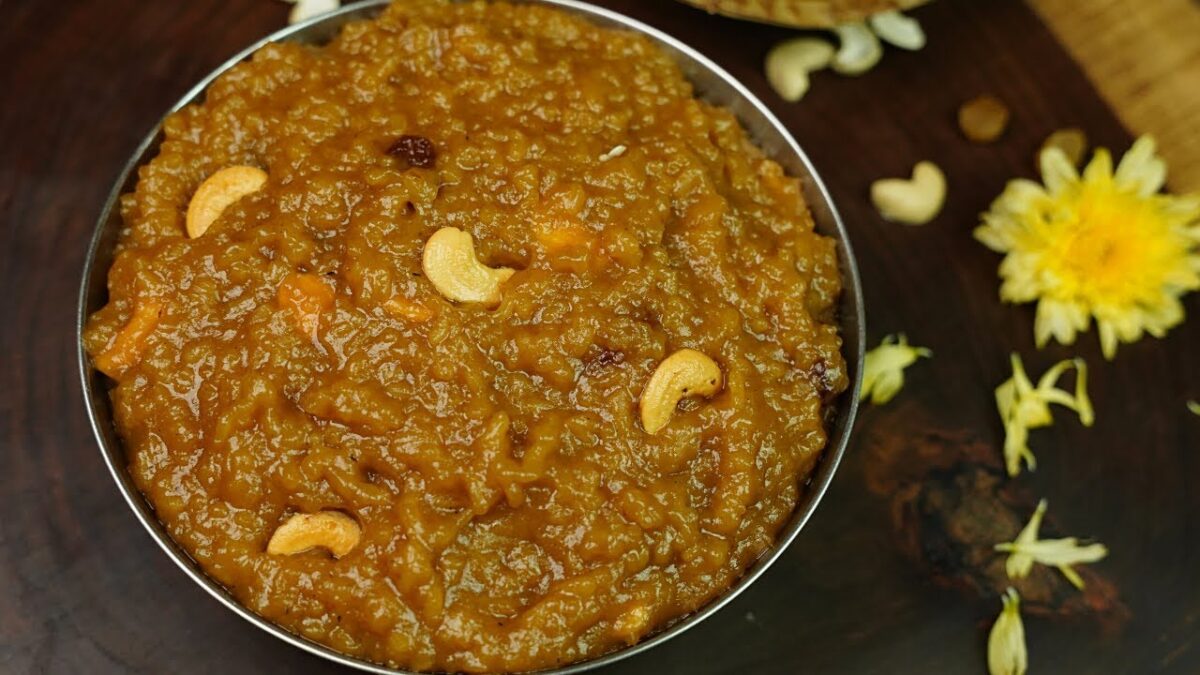
Notice how a good Sakkarai Pongal recipe becomes soft, creamy, and fragrant without needing complicated cooking techniques. That is what makes this traditional South Indian sweet so comforting. You cook the rice until it turns mushy, mix in milk, jaggery, and cardamom, then finish it with cashews and raisins fried in ghee.
I have kept this Sakkarai Pongal recipe simple and practical. You do not need a long list of ingredients or special equipment. The key is cooking the rice until it is very soft and allowing the jaggery to dissolve fully into the hot rice. I am making this Sakkarai Pongal recipe without moong dal. You can add it if you want.
If you are looking for an easy Sakkarai Pongal Brahmin recipe with jaggery, this version is worth trying.
What is Sakkarai Pongal?
Sakkarai Pongal is a traditional South Indian sweet dish made with rice, jaggery, milk, cardamom, ghee, cashews, and raisins. It is especially popular during the Pongal festival.
Why You Will Love This Recipe
You will love this Tamil-style Sakkarai Pongal because it is easy to make and needs only a few basic ingredients.
- Uses simple pantry ingredients.
- Requires no pressure cooker.
- Uses raw rice instead of complicated rice varieties.
- Gets its sweetness from jaggery.
- Milk gives the Pongal a softer and creamier texture.
- Cardamom adds a pleasant aroma.
- Ghee-fried cashews and raisins give a classic finish.
- The recipe works well for festivals, pooja, and family gatherings.
- This works well as a one-pot Sakkarai Pongal recipe.
The biggest advantage is the texture. Cooking the rice until it becomes mushy helps the jaggery and milk blend evenly.
Sakkarai Pongal Ingredients
These are the best and simplest homemade Sakkarai Pongal ingredients you need to make this sweet pongal recipe at home.
Raw rice: Use regular raw rice. Wash it well before cooking. The rice should become very soft and mushy.
Milk: Milk adds richness and gives the Pongal a creamy consistency. Use full-fat milk for a richer result if available.
Jaggery: Jaggery provides the main sweetness. Grated or powdered jaggery dissolves faster than a large block.
Cardamom powder: Cardamom gives Sakkarai Pongal its familiar aroma. You only need a small amount.
Ghee: Ghee is used for tempering. It adds richness and carries the flavor of the roasted nuts and raisins.
Cashews: Cashews provide a light crunch. Fry them until they become lightly golden.
Dry grapes or raisins: Raisins become plump when fried in ghee. They add a mild sweetness and soft texture.
Ingredient Substitutions
You can make a few simple changes based on what you have at home.
Raw rice: You can use another regular rice variety, but the cooking time may change.
Milk: If you prefer a dairy-free version, you can omit the milk and adjust the consistency with water.
Jaggery: Use powdered jaggery for faster melting.
Ghee: Ghee gives the best traditional flavor. If necessary, use a neutral cooking fat, but the taste will change.
Cashews: Almond pieces can be used when cashews are unavailable.
Raisins: You can leave them out or replace them with chopped dates for a different texture.
When replacing an ingredient, make one change at a time. This helps you control the final taste and consistency. You can also make the Sakkarai pongal recipe in a cooker to reduce cooking time.
How to make Sakkarai Pongal at home (Step by Step)
Step 1: Wash the rice
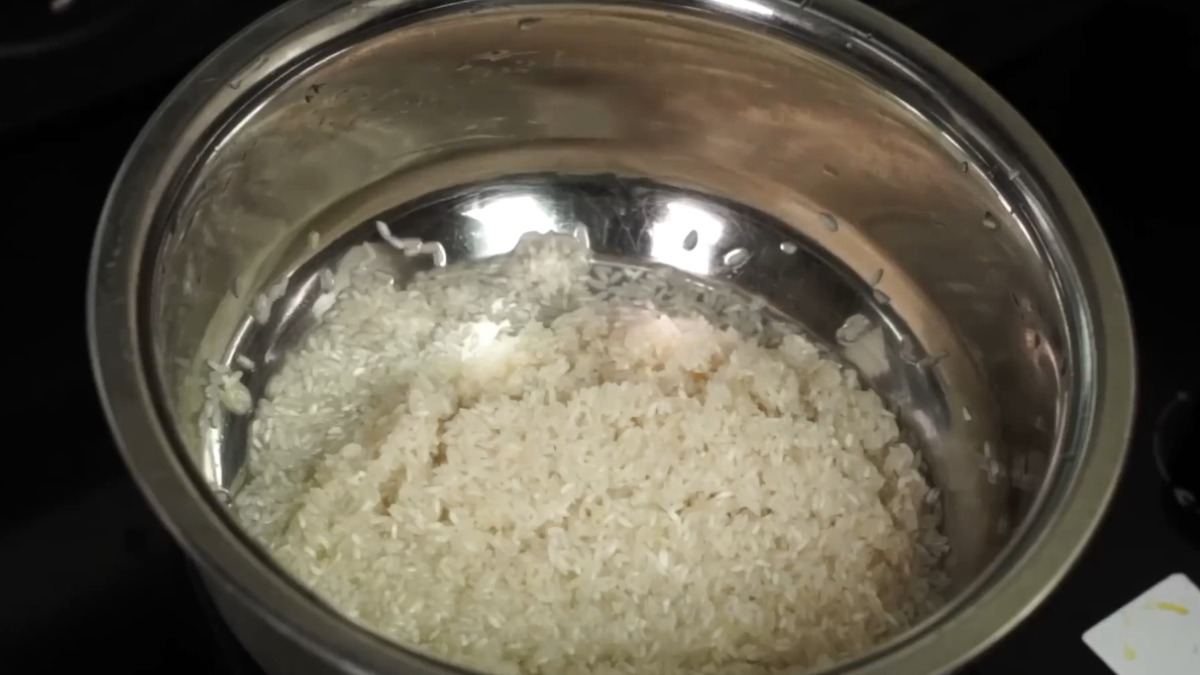
Take 1 cup of raw rice.
Wash the rice thoroughly with water. Drain the excess water.
You do not need to soak the rice for this recipe. If you choose to soak it, even 15 to 20 minutes is enough.
Step 2: Cook the rice
Add the washed rice to a heavy-bottomed pot.
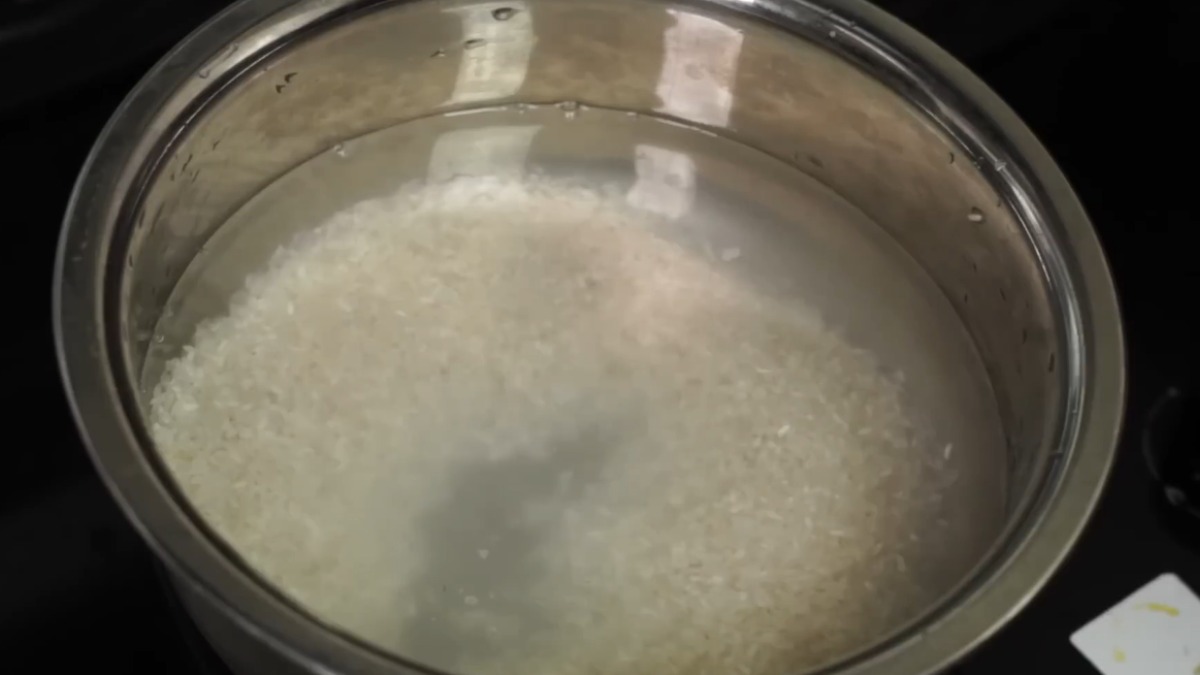
Add 3 cups of water.
Place the pot over medium heat.
Cook the rice for around 10 to 15 minutes while stirring from time to time.
The exact cooking time can vary depending on the rice and the heat level.
Step 3: Cook until mushy
Do not stop when the rice is merely cooked.
For Sakkarai Pongal, the rice should become very soft and mushy.
Press a few grains with the back of your spoon. They should mash easily.
If the rice still feels firm, add a little hot water and continue cooking.
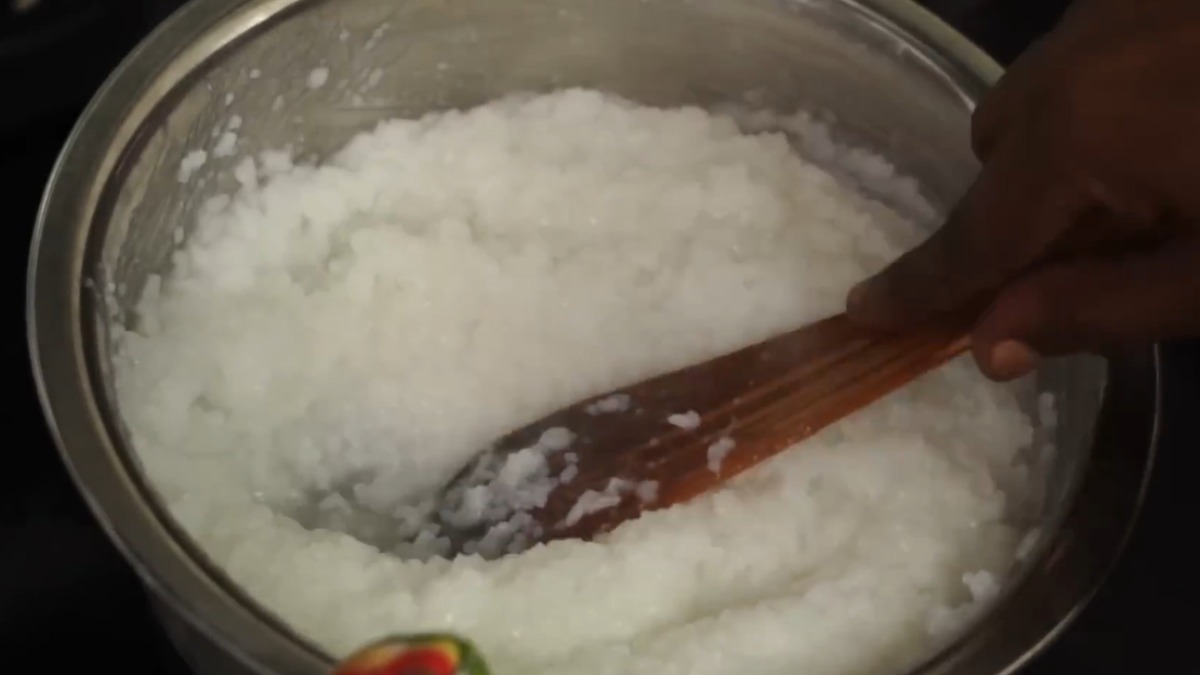
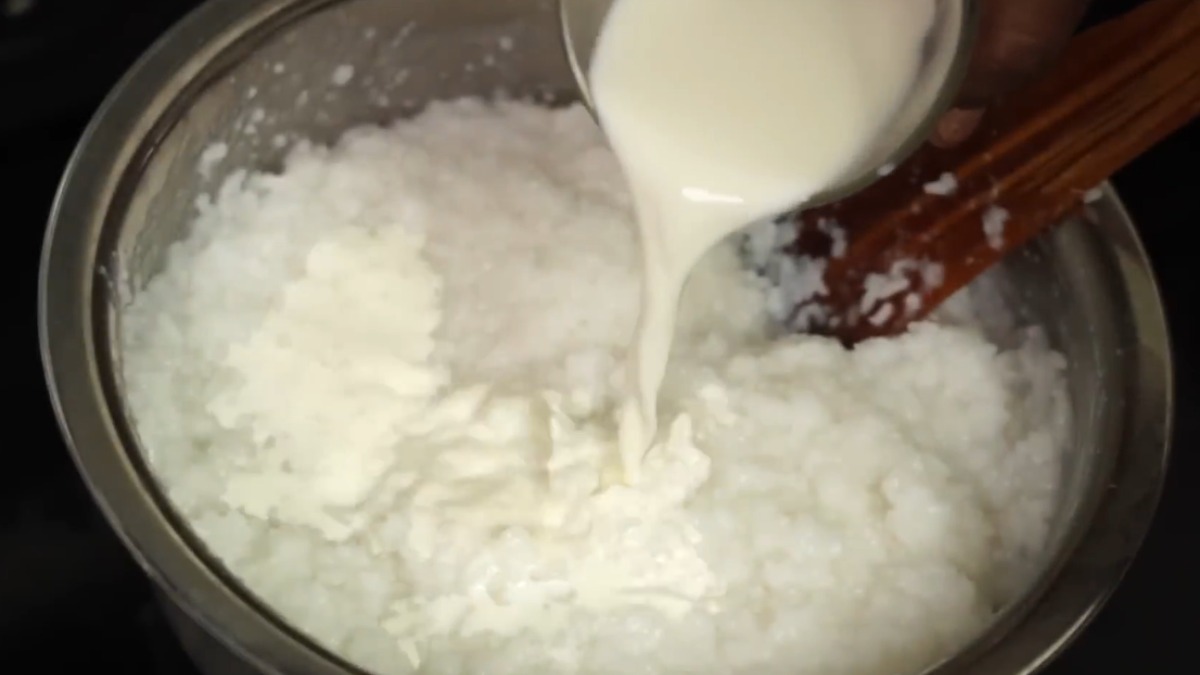
Step 4: Add the milk
Once the rice becomes mushy, add ¾ cup of milk.
Mix well.
Keep the flame low and continue stirring.
The mixture will become softer and creamier as the milk blends with the cooked rice.
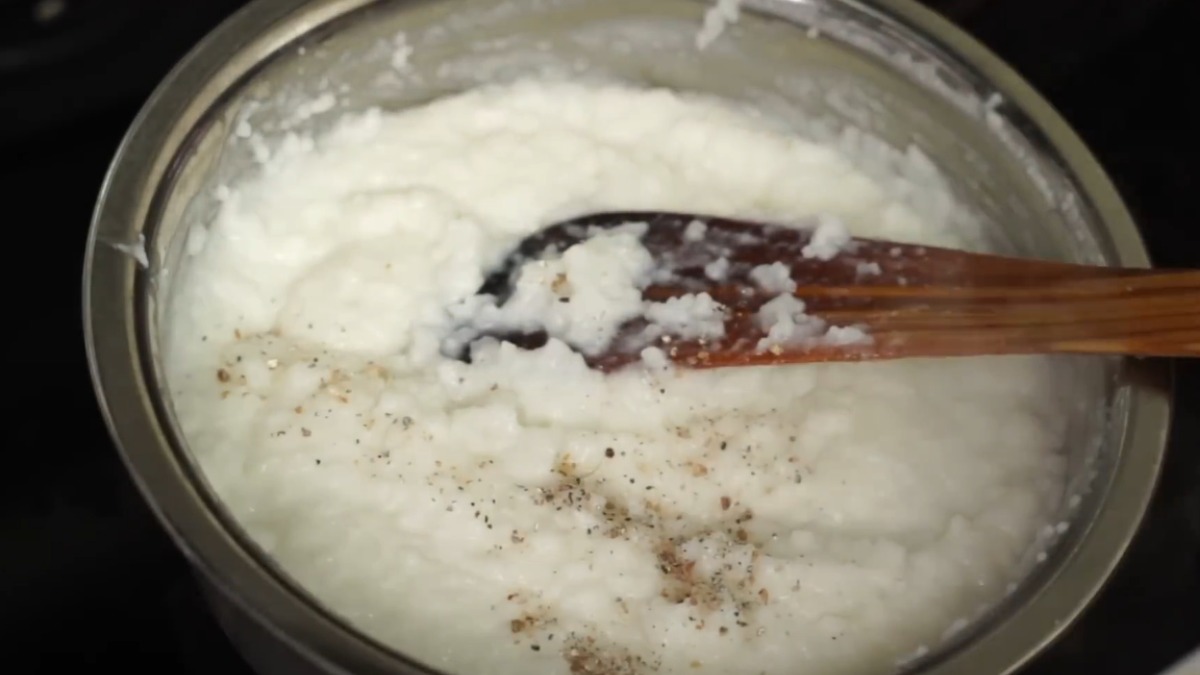
Step 5: Add cardamom
Add a small amount of cardamom powder.
Mix thoroughly.
Do not add too much cardamom. A little is enough to give the Pongal a pleasant aroma.
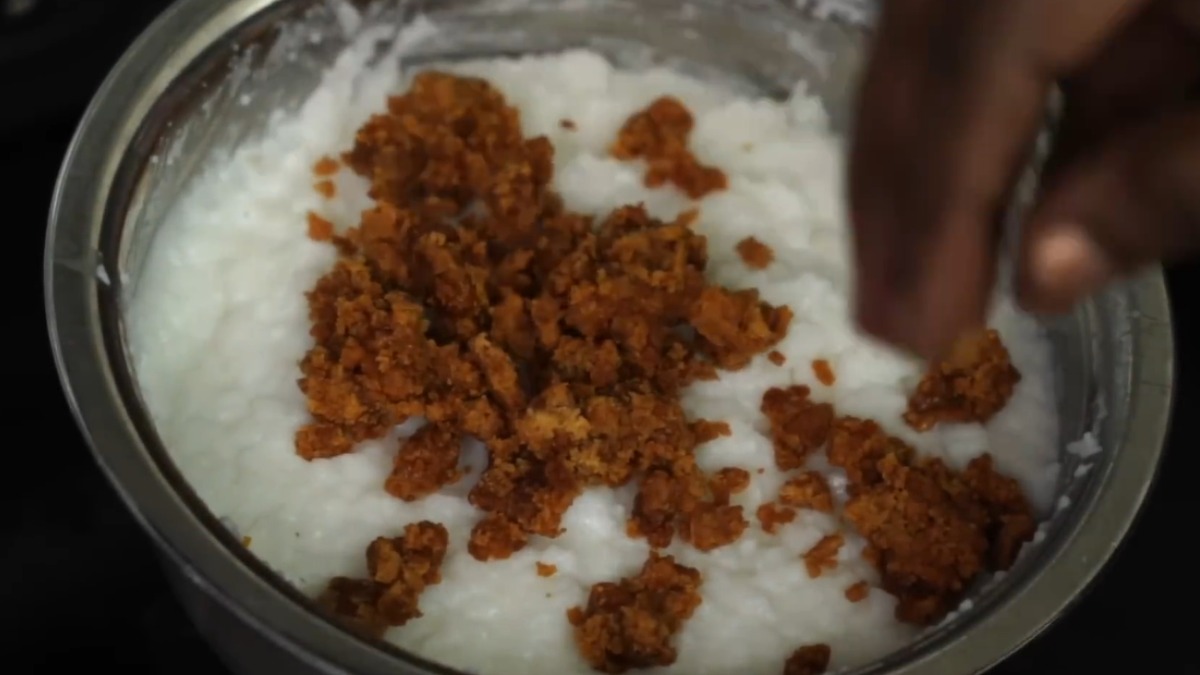
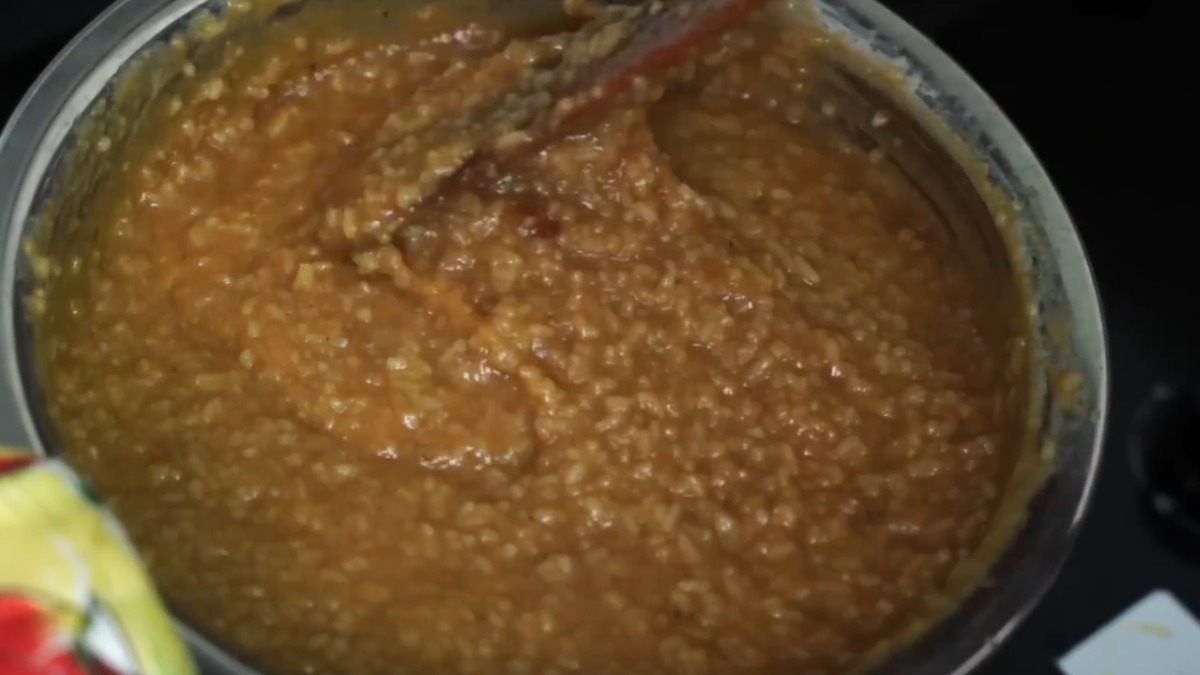
Step 6: Add the jaggery
Add ¼ kg of jaggery to the hot cooked rice.
Mix continuously.
The heat from the cooked rice will help the jaggery dissolve.
Keep stirring until the jaggery blends completely into the mixture.
If your jaggery contains visible impurities, melt it separately with a small amount of water and strain it before adding it to the Pongal.
Step 7: Prepare the tempering to add in Sakkarai Pongal recipe
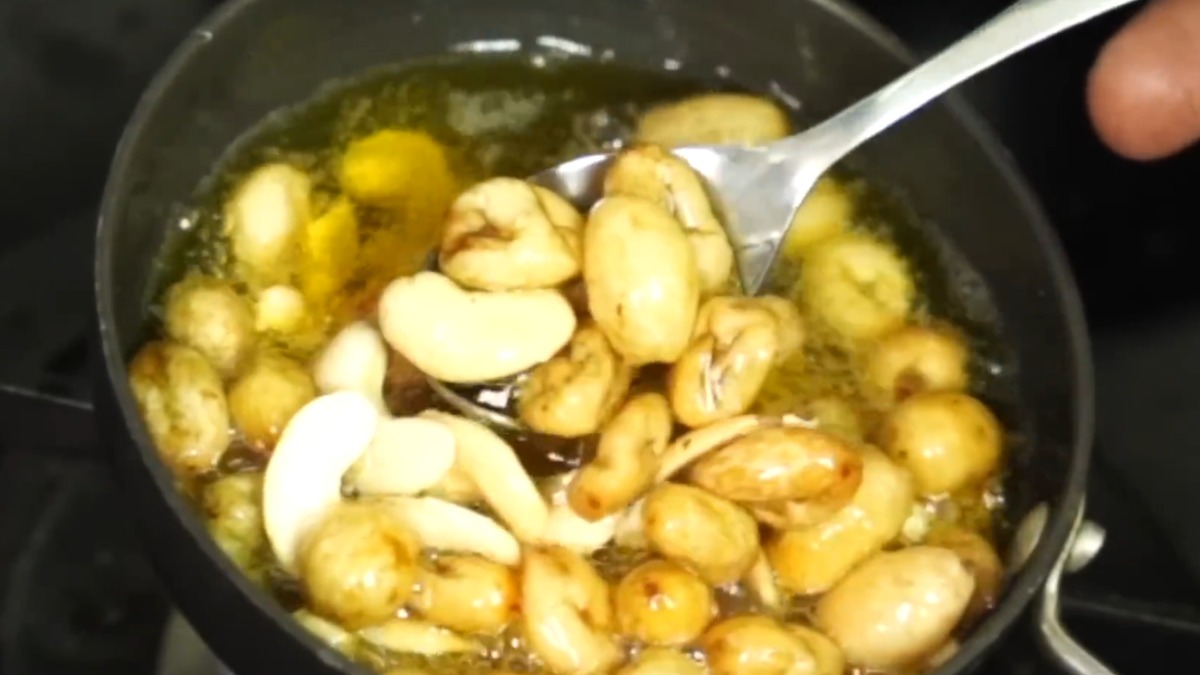
Place a small pan over medium heat.
Add 2 tablespoons of ghee.
Allow the ghee to heat.
Add the cashews.
Fry them until they become lightly golden.
Add the raisins.
Cook until the raisins puff up and become rounded.
Turn off the flame.
Step 8: Add the tempering
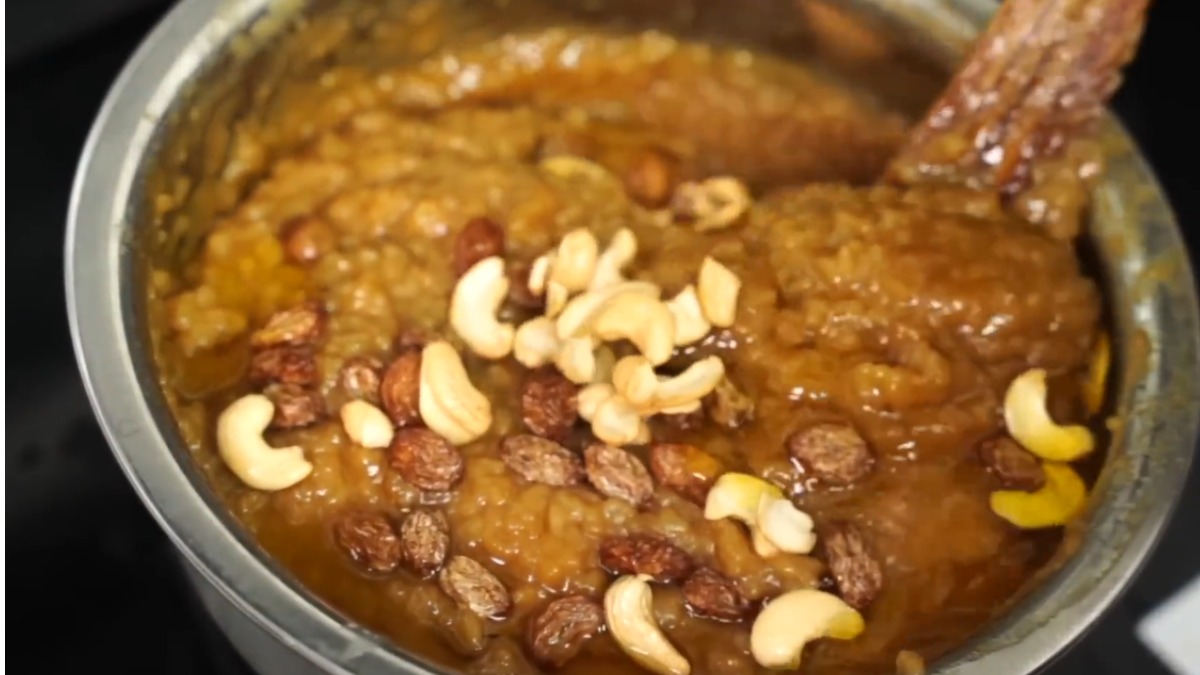
Pour the hot ghee tempering over the Pongal.
Mix gently.
Make sure the cashews and raisins are distributed throughout the dish.
Your Sakkarai Pongal is ready to serve.
To learn how to make this simple Sakkarai Pongal in Tamil
Expert Tips for Perfect Results
The texture makes a big difference in Chakkarai Pongal. Keep these points in mind.
- Cook the rice thoroughly. It should be soft and mushy.
- Stir regularly to prevent the rice from sticking to the bottom.
- Use a heavy-bottomed vessel when possible.
- Keep the heat moderate while cooking.
- Add the milk only after the rice has softened.
- Use grated or powdered jaggery for easier melting.
- Taste the Pongal after adding the jaggery. Adjust the sweetness if needed.
- Do not fry the cashews on high heat. They can burn quickly.
- Add raisins after the cashews have started turning golden.
- Serve the Pongal warm for the best texture.
- Remember that Pongal thickens as it cools. Keep it slightly loose while cooking.
- Always maintain the Sakkarai Pongal recipe measurements precisely.
If the finished Pongal looks too thick, mix in a little warm milk or hot water before serving.
Common Mistakes to Avoid
Using undercooked rice: Firm rice will give the Pongal a grainy texture. Cook until the rice becomes mushy.
Adding jaggery too early: Let the rice cook properly before adding the jaggery. This helps you achieve a smoother consistency.
Using too little liquid: The rice needs enough water to become soft. Add a little hot water if the mixture becomes dry during cooking.
Burning the jaggery: Keep the flame low after adding jaggery. Stir continuously so it blends with the rice instead of sticking to the bottom.
Burning the cashews: Cashews can change from golden to burnt quickly. Keep an eye on them while frying.
Adding too much cardamom: Too much cardamom can overpower the jaggery and ghee flavors. Start with a small amount.
Making the Pongal too thick: Remember that Sakkarai Pongal becomes thicker as it cools. Do not cook it until it becomes completely dry.
Melt the jaggery: Do not add the jaggery directly if you notice impurities. Melt and strain the jaggery liquid.
Easy Variations You May Try
Once you are comfortable with the basic recipe, you can try a few variations.
Rice and moong dal Sakkarai Pongal recipe
A small quantity of roasted moong dal can be cooked along with the rice. This is a popular way to add more flavor and texture.
Coconut Sakkarai Pongal
Add a small amount of grated coconut for a mild coconut flavor.
Dairy-Free Sakkarai Pongal
You can avoid adding milk if you need dairy-free sakkarai pongal. Instead, add extra water for the pongal to become mushy.
Serving Suggestions
Serve Sakkarai Pongal warm.
It works well as:
- A Pongal festival sweet
- A temple-style offering at home
- It works well as a pooja offering for Krishna Jayanti, Ganesh Chaturthi, Saraswathi pooja, and Deepavali
- A festive breakfast
- A dessert after a South Indian meal
- A sweet dish for family gatherings
You can serve it in a small bowl with a little extra ghee on top.
For a traditional meal, serve Sakkarai Pongal alongside other South Indian dishes. The sweet, creamy texture provides a nice contrast to savory foods.
How to Store and Reheat Sakkarai Pongal recipe
Allow the Pongal to cool before storing it.
Transfer it to a clean, airtight container and refrigerate.
For the best quality, use refrigerated Sakkarai Pongal within 2 to 3 days.
The Pongal will become firm after refrigeration. That is normal.
To reheat:
- Transfer the required portion to a pan.
- Add a small amount of milk or water.
- Heat on a low flame.
- Stir continuously.
- Stop heating once the Pongal becomes soft and warm.
You can also reheat it in a microwave using short intervals. Stir between intervals to distribute the heat evenly.
Avoid repeatedly reheating the entire batch. Reheat only the portion you plan to eat.
How to Choose the Best Jaggery
Jaggery has a major effect on the final flavor of Sakkarai Pongal.
Choose jaggery that:
- Has a clean, natural sweetness.
- Does not have a strong chemical smell.
- Is suitable for cooking.
- Has a fresh appearance.
- Dissolves reasonably well when heated.
The color can vary from golden brown to darker brown. Color alone does not determine quality.
If your jaggery has dirt or visible impurities, do not add it directly to the cooked rice.
Instead, dissolve it in a little water.
Strain the melted jaggery through a fine strainer.
Then add the strained syrup to the cooked rice.
This small step can improve the final texture and appearance.
Frequently Asked Questions
Can I make Sakkarai Pongal without milk?
Yes. You can make it without milk. Use water to cook the rice and adjust the final consistency with hot water if needed. Milk gives the dish a richer and creamier texture.
Why does my Sakkarai Pongal become hard after cooling?
Rice absorbs liquid as it cools. This makes the Pongal thicker and firmer. Add a little warm milk or water while reheating to restore the soft consistency.
Can I make sakkarai pongal with jaggery powder?
Yes. Powdered jaggery is convenient because it melts quickly and mixes easily with the cooked rice.
How much jaggery should I use for 1 cup of rice?
This recipe uses ¼ kg of jaggery for 1 cup of raw rice. You can adjust the quantity depending on your preferred level of sweetness and the sweetness of your jaggery.
Can I make this Sakkarai Pongal in a pressure cooker?
Yes. A pressure cooker can reduce the cooking time. Cook the rice until very soft, then add the milk, jaggery, cardamom, and ghee tempering.
Why is my Sakkarai Pongal watery?
It may contain too much liquid. Continue cooking on low heat while stirring until it reaches a soft, thick consistency. Remember that it will thicken further after cooling.
Sakkarai Pongal Recipe
Ingredients
Instructions
- Wash 1 cup of raw rice thoroughly.
- Add the rice and 3 cups of water to a heavy-bottomed pot.
- Cook over medium heat for about 10 to 15 minutes. Stir occasionally while cooking.
- Continue cooking until the rice becomes very soft and mushy.
- Add ¾ cup milk and mix well. Cook on low heat while stirring.
- Add a little cardamom powder and ¼ kg jaggery.
- Stir continuously until the jaggery dissolves and blends with the rice.
- Heat 2 tablespoons of ghee in a separate pan.
- Add cashews and fry until lightly golden.
- Add raisins and fry until they puff up.
- Add the ghee, cashews, and raisins to the Pongal. Mix gently.
- Serve warm.
Notes
- Cook the rice until it is completely soft.
Use good-quality jaggery for better flavor.
If the jaggery contains impurities, melt and strain it before adding.
Keep the Pongal slightly loose because it thickens while cooling.
Add a little warm milk or water when reheating if needed.
You may also like