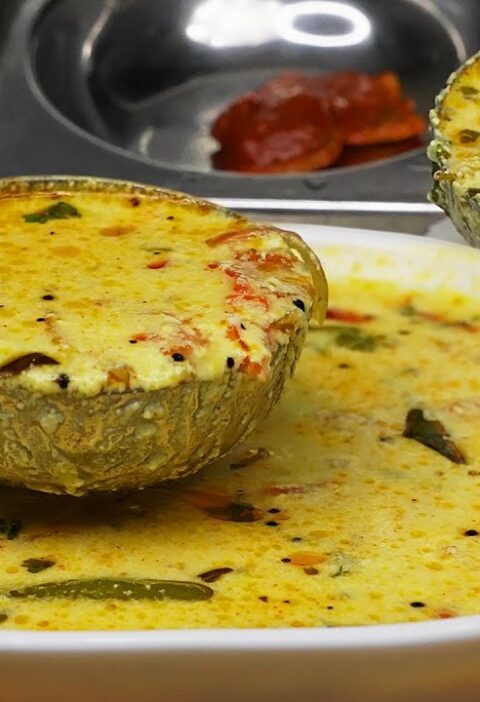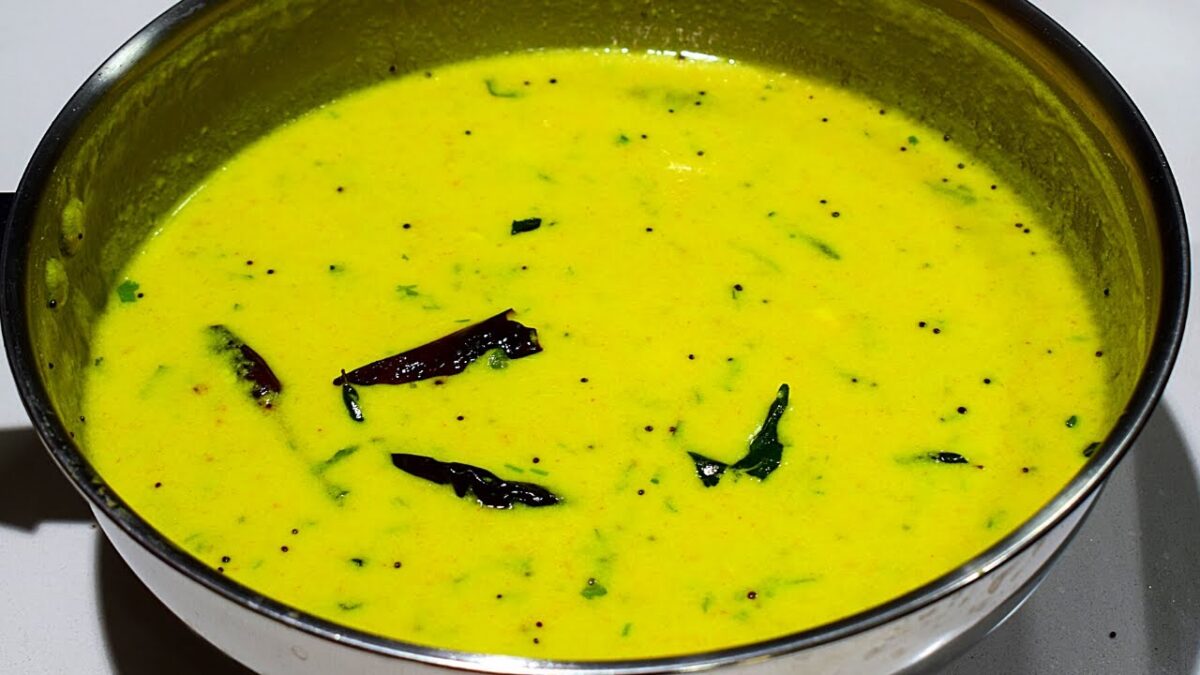
I make this easy mor kuzhambu recipe at home when I want a comforting lunch without spending too much time in the kitchen. What I like about this version is its balance. The coconut gives it body, green chilli adds heat, cumin adds flavor, and the curd keeps the gravy light and creamy.
I also use soaked raw rice and toor dal in the coconut paste. This helps thicken the mor kuzhambu naturally without making it heavy.
One detail makes a big difference. Use fresh curd that is not too sour. Also, do not cook the curd mixture for too long. These two steps help you get a creamy mor kuzhambu recipe without an overpowering sour taste.
If you are making mor kulambu recipe for the first time, this is easy to follow. I have included the exact ingredients, substitutions, common mistakes, storage tips, and practical steps below.
Why You Will Love This Mor Kuzhambu Recipe
- Easy to make: The steps are simple, even if you are making mor kuzhambu for the first time.
- Creamy texture: Fresh curd and coconut create a smooth, creamy consistency.
- Balanced flavor: Coconut, cumin, ginger, green chilli, and curd give you a mild, flavorful curry.
- Simple ingredients: You can make it with basic South Indian kitchen staples.
- No vegetables needed: This version tastes delicious without adding any vegetables.
- Perfect with rice: Serve it with hot steamed rice, poriyal, and appalam for a comforting lunch.
- Easy to customize: You can adjust the green chillies and consistency to suit your taste.
- Naturally thickened: Soaked rice, toor dal, and coconut give the gravy body without extra thickeners.
Mor Kulambu Ingredients
- Shallots: They add mild sweetness and give the gravy more flavor.
- Ginger: Ginger adds freshness and balances the curd.
- Green chillies: Adjust according to your preferred spice level.
- Raw rice: Soak it for 30 minutes. It helps thicken the gravy.
- Toor dal: Soak for 30 minutes. It adds body to the mor kuzhambu.
- Shredded coconut: Coconut creates the creamy base of the curry.
- Cumin seeds: Cumin gives the coconut paste its characteristic warm flavor.
- Curd: Choose fresh, mild curd instead of very sour curd.
- Oil: For cooking the ground coconut mixture.
- Salt: Add according to taste.
- Mustard seeds
- Dried red chillies
- Asafoetida
- Curry leaves
- Coriander leaves for garnish
Ingredient Substitutions
Curd kuzhambu is flexible, but substitutions can slightly change its taste and consistency.
Shallots
You can use a small amount of regular onion if shallots are unavailable. Shallots have a sweeter and milder taste, so they work better in this recipe.
Fresh coconut
Fresh shredded coconut gives the best texture. You can use frozen grated coconut after thawing it completely.
Green chillies
Reduce the quantity for a mild mor kuzhambu. Increase it by one chilli if you prefer more heat.
Raw rice
Rice helps thicken the curry. If you skip it, the final gravy may be thinner.
Toor dal
Toor dal gives the coconut paste more body. Chana dal can be used in a small quantity as an alternative, but the flavor will be slightly different.
Curd
Plain homemade or store-bought curd works. Avoid flavored, sweetened, or very sour curd.
How to Make Mor Kuzhambu with Coconut (Step-by-Step process)
Step 1:
Soak the rice and dal-
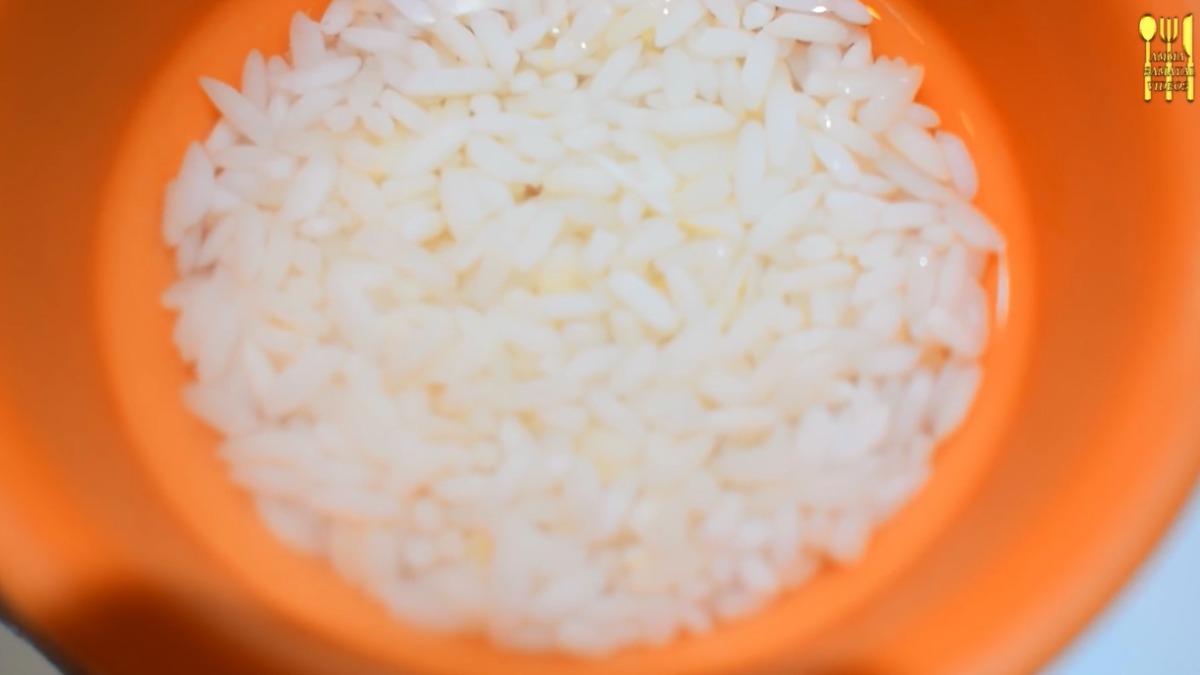
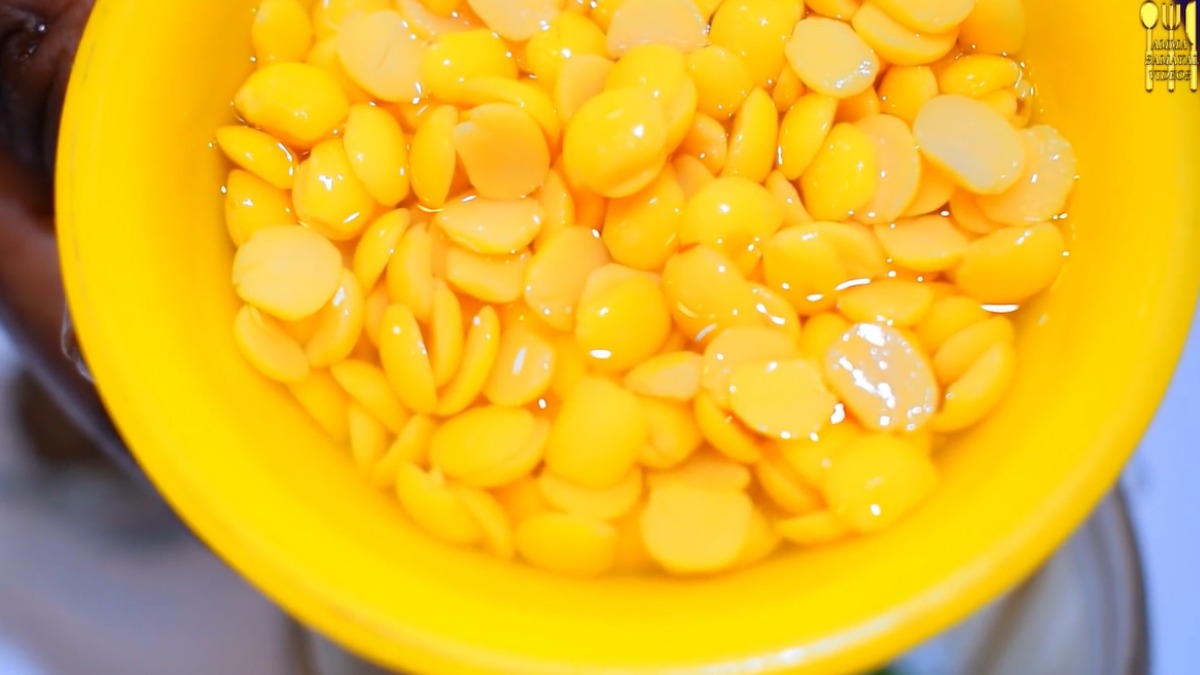
Take 1 tablespoon raw rice and 1½ tablespoons toor dal.
Wash them well.
Soak them in enough water for 30 minutes.
Drain the excess water before grinding.
Soaking softens both ingredients and helps you make a smoother paste.
Step 2:
Make the coconut paste
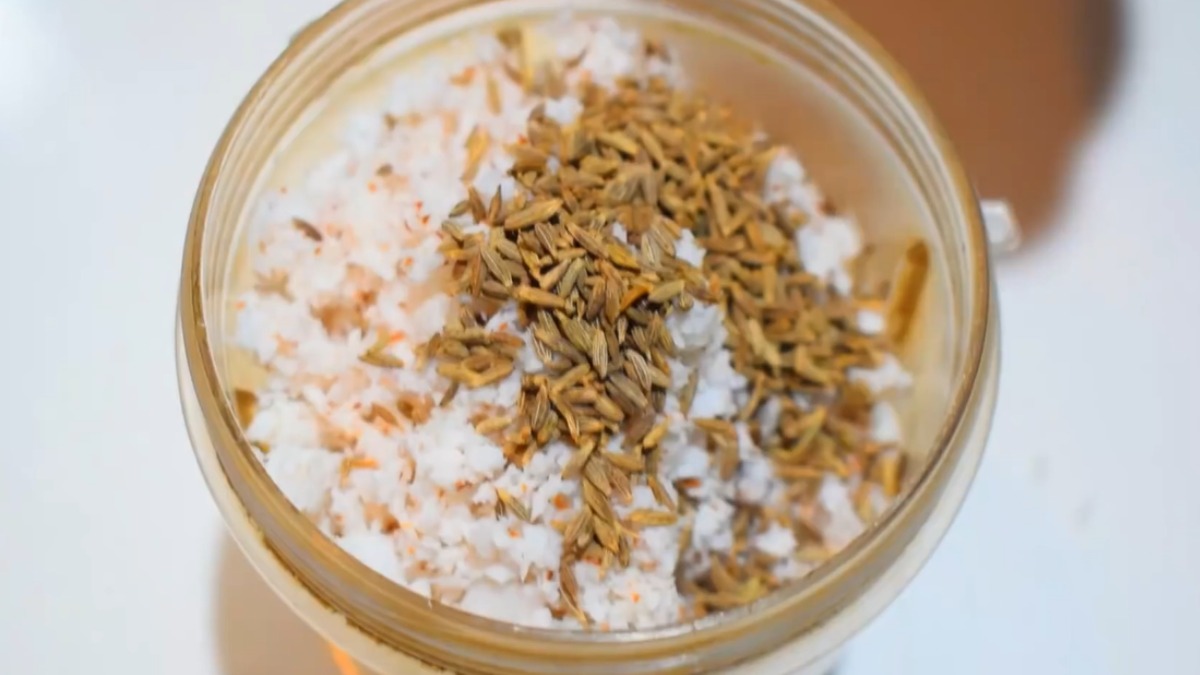
Add the following to a mixer jar:
• 6 shallots
• 3 small pieces ginger
• 3 green chillies
• Soaked raw rice
• Soaked toor dal
• 1 cup shredded coconut
• 1 teaspoon cumin seeds
Add a little water.
Grind everything into a fine, smooth paste.
Avoid adding too much water at once. You can always add more while grinding.
Step 3:
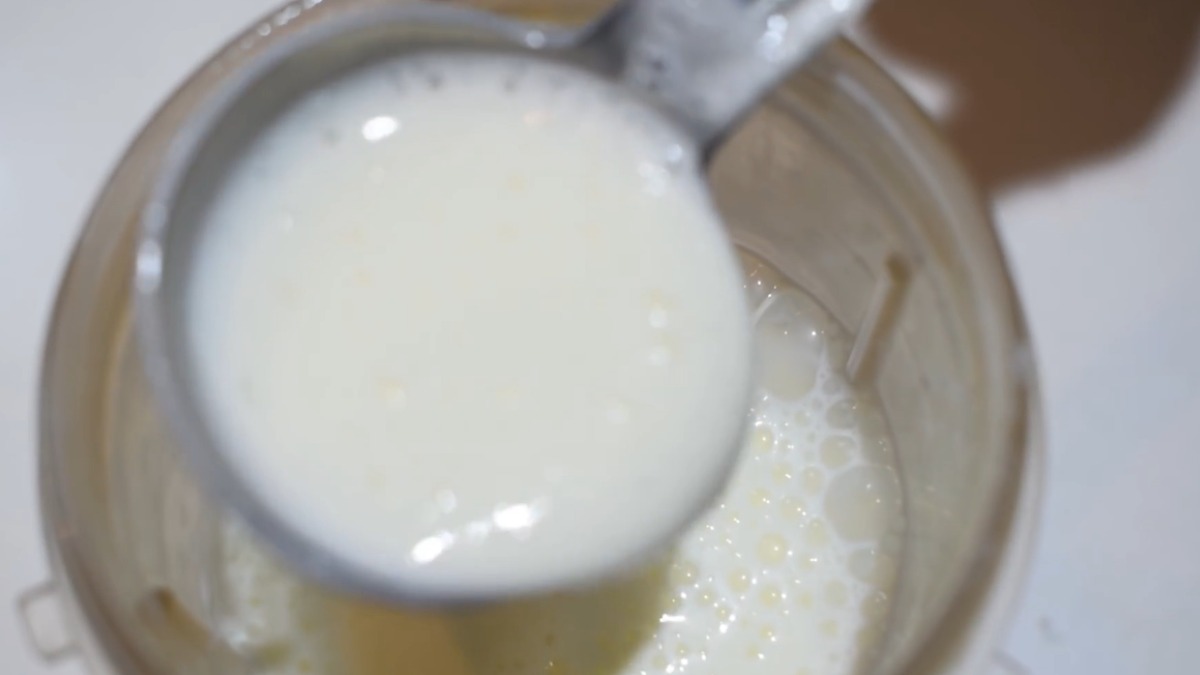
Blend the curd
Add 300 grams of fresh curd to a mixer jar.
Blend briefly until smooth and creamy.
If your curd is very thick, add a little water.
The mixture should be pourable, but not extremely thin.
Use fresh curd with a mild taste. Very tangy curd can dominate the entire dish.
Step 4:
Cook the coconut mixture
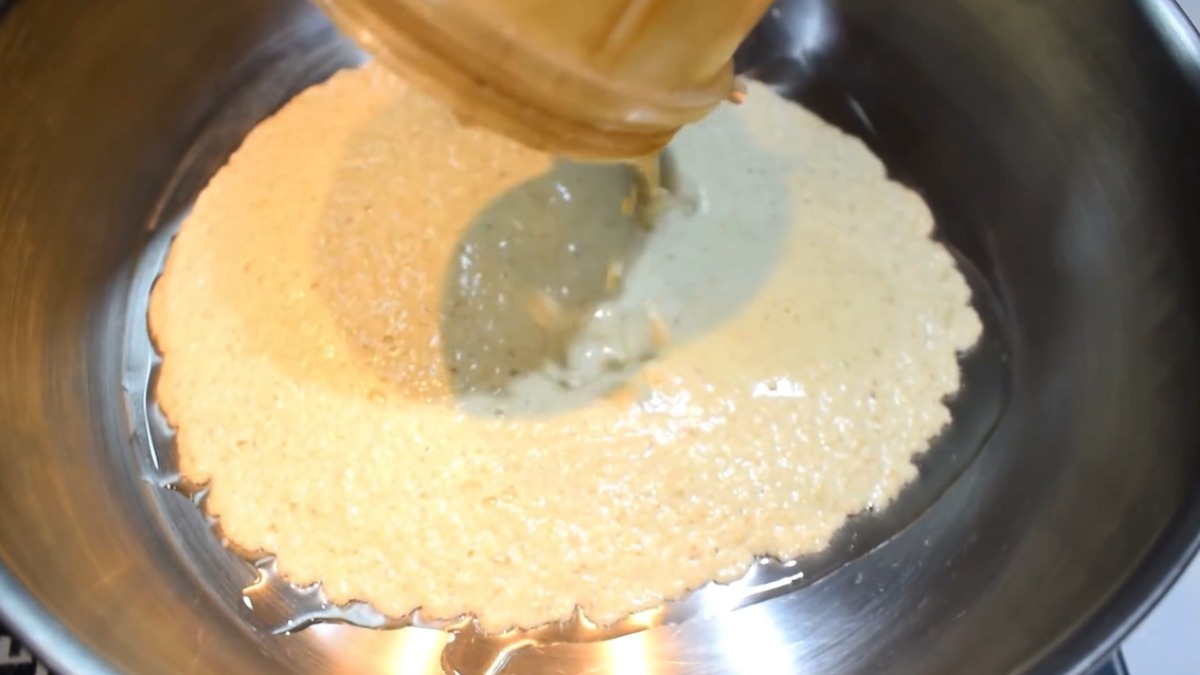
Place a pan over medium heat.
Add ½ tablespoon oil.
Once the oil is warm, add the ground coconut and onion paste.
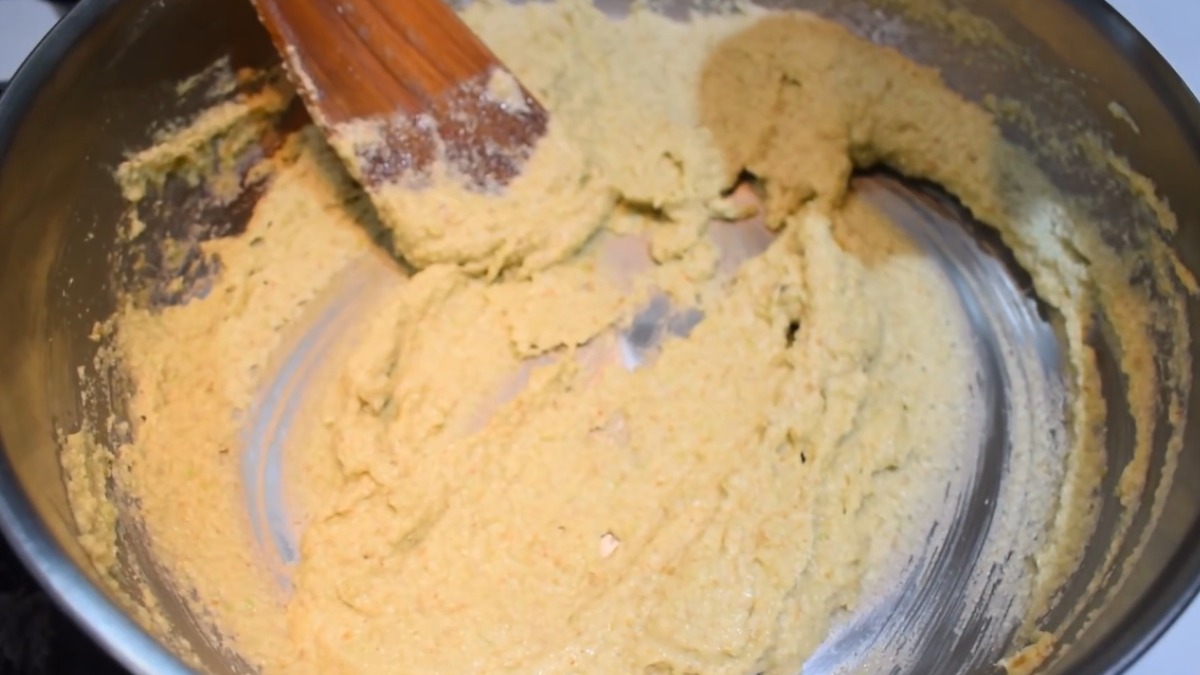
Cook on medium to low heat.
Stir regularly so the paste does not stick to the bottom.
Cook until the raw smell of shallots, rice, dal, and coconut fades.
Do not brown the mixture.
Step 5:
Add the curd
Lower the heat.
Add the blended curd to the cooked coconut mixture.
Mix gently until the coconut paste and curd combine evenly.
Step 6:
Adjust the consistency
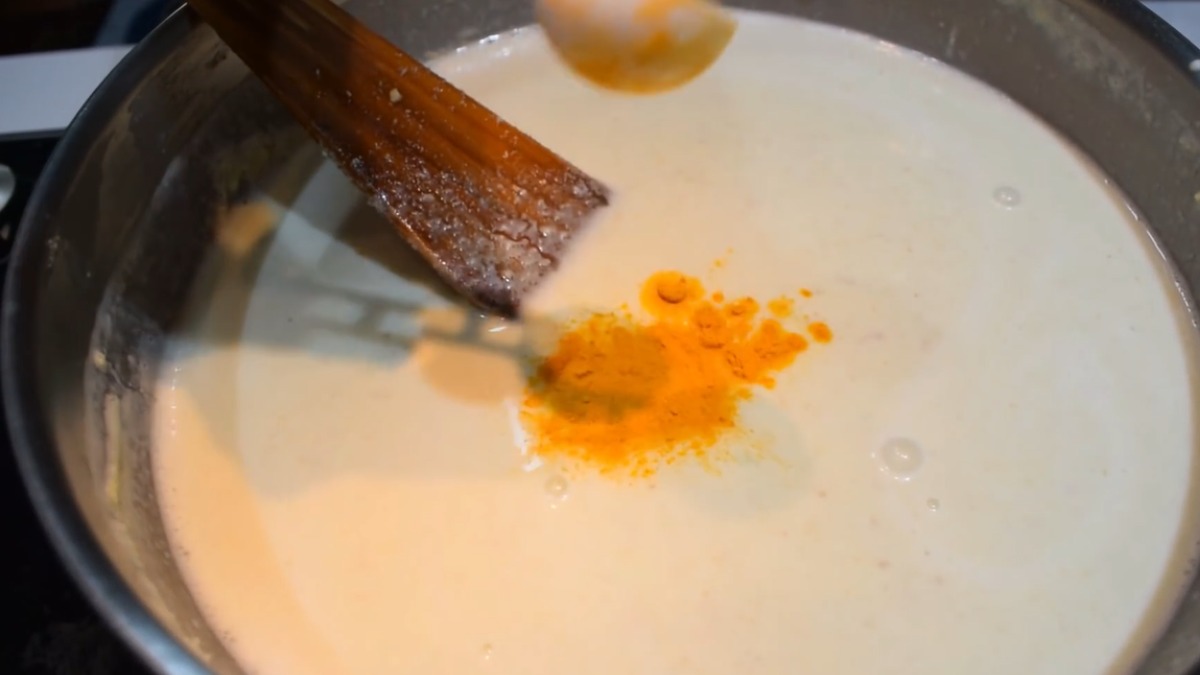
Add water as required. Add a pinch of Turmeric powder.
Mor kuzhambu should have a flowing curry consistency. It should coat the rice easily without becoming too thick.
Add salt according to taste.
Mix well.
Step 7:
Heat the mor kuzhambu
Cook over medium to low heat.
Allow the mixture to heat through and reach a gentle boil.
Do not keep boiling it for several minutes.
Overcooking curd can affect the smooth texture and may cause the gravy to split.
Once the mor kuzhambu is hot and lightly bubbling, reduce the heat or switch it off.
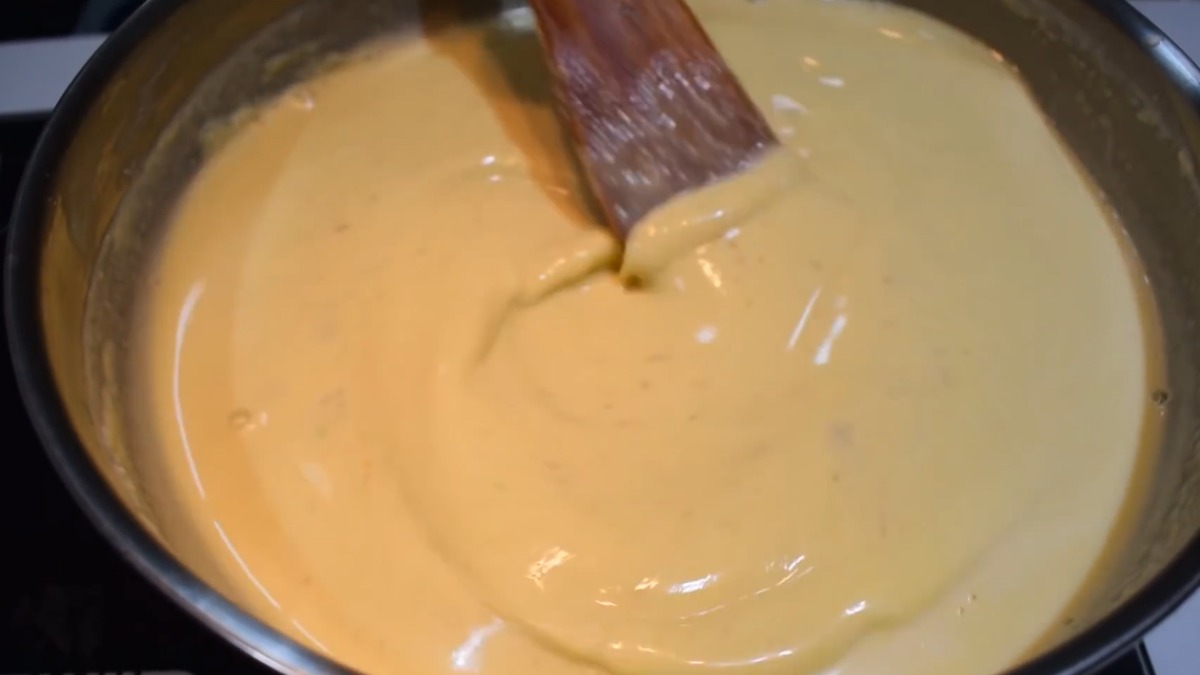
Step 8:
Prepare the tempering
Heat 1 tablespoon oil in a separate small pan.
Add mustard seeds.
Let them crackle.
Add 2 dried red chillies, a pinch of asafoetida, and curry leaves.
Let the curry leaves splutter for a few seconds.
Switch off the heat.
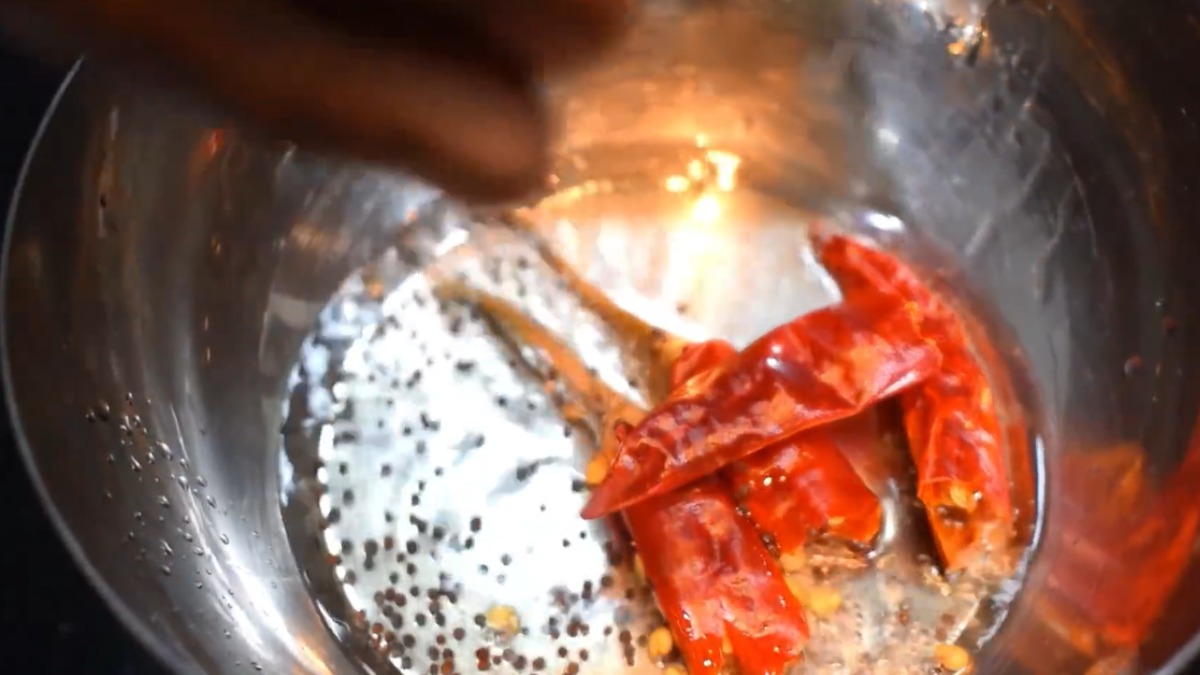
Step 9:
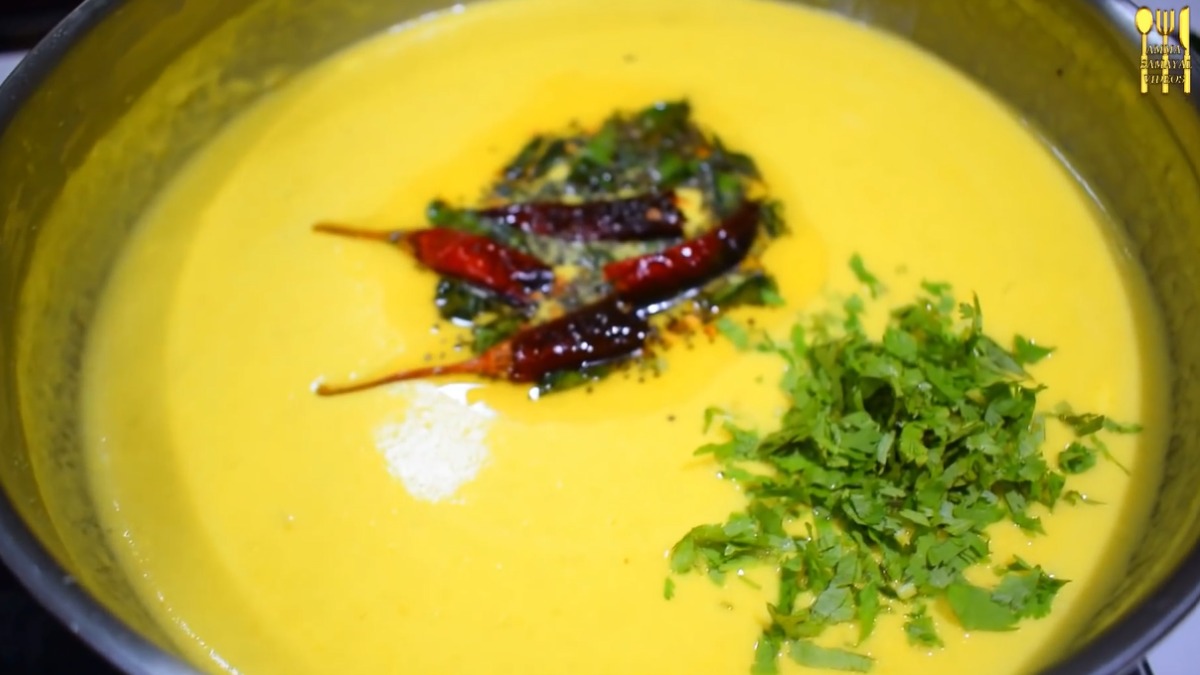
Finish the mor kuzhambu
Pour the hot tempering over the prepared mor kuzhambu.
Mix gently.
Finish with chopped coriander leaves.
Your South Indian mor kuzhambu is ready to serve.
Expert Tips for Perfect Mor Kuzhambu
- Use fresh curd. Very sour curd can make the curry too tangy.
- Soak the rice and toor dal for at least 30 minutes. This makes grinding easier.
- Grind the coconut mixture until smooth. A coarse paste can make the gravy grainy.
- Add water gradually. It is easier to thin a thick curry than fix a watery one.
- Cook the coconut paste before adding curd. The raw smell should disappear completely.
- Keep the flame low after adding curd.
- Do not vigorously boil mor kuzhambu for a long time.
- Add the tempering at the end for a stronger mustard, chilli, and curry leaf aroma.
- Check the consistency before serving. Mor kuzhambu thickens slightly as it rests.
Common Mistakes to Avoid
Using very sour curd: Mor kuzhambu needs some acidity, but extremely sour curd can overpower coconut and cumin. Use fresh or mildly tangy curd.
Skipping the soaking time: Raw rice and toor dal grind better after soaking. Give them around 30 minutes.
Making a coarse coconut paste: Spend enough time grinding the coconut mixture. A smooth paste creates a better gravy.
Adding too much water: Start with less water. Add more only after the curd and coconut paste are combined.
Cooking curd over high heat: Prolonged boiling can cause the gravy to split. Keep the heat controlled.
Burning the tempering: Mustard seeds and dried chillies cook quickly. Keep all tempering ingredients ready before heating the oil.
Variations You May Try
Vegetable Mor Kuzhambu
You can add cooked vegetables to make the curry more substantial.
Good options include:
- Ash gourd
- Okra
- Pumpkin
- Colocasia
Cook the vegetable separately until tender, then add it to the gravy.
Vendakkai Mor Kuzhambu
Okra is a popular choice.
Cut the okra into medium pieces and sauté until it loses its sticky texture. Add the cooked okra to the finished curry.
Poosanikai Mor Kuzhambu
Ash gourd has a mild flavor that works well with curd and coconut.
Cook peeled ash gourd pieces until tender before adding them to the gravy.
Spicier Mor Kuzhambu
Add one extra green chilli to the coconut paste. Adjust based on the heat level of your chillies.
Serving Suggestions
The Curd kuzhambu recipe is best served warm with steamed rice.
Pour it generously over hot rice and serve with a dry vegetable side dish.
You can pair it with:
- Potato fry
- Beans poriyal
- Cabbage poriyal
- Beetroot poriyal
- Okra fry
- Raw banana fry
- Appalam
- Pickle
For a simple lunch, serve the South Indian style thayir kulambu rice with a vegetable poriyal and appalam.
How to Store and Reheat Thayir Kulambu Recipe
Allow leftover mor kuzhambu to cool before storing it.
Refrigerate:
- Transfer it to a clean, airtight container.
- Refrigerate promptly and use within 1 to 2 days for the best taste and texture.
Reheat:
- When reheating, transfer only the amount you need to a saucepan.
- Heat it slowly over low heat.
- Stir occasionally.
- Do not bring it to a strong, prolonged boil.
- If the refrigerated mor kuzhambu has become thick, add a small splash of water while reheating.
- Avoid repeatedly heating and cooling the entire batch.
How to Choose Curd for Mor Kuzhambu
Curd is the main ingredient, so its taste affects the final dish.
Choose curd that is:
- Fresh
- Plain and unsweetened
- Smooth
- Thick or medium-thick
- Mildly tangy rather than extremely sour
Taste the curd before cooking.
If it already tastes sharply sour on its own, it can make your mor kuzhambu too acidic.
Full-fat curd usually produces a creamier texture. Homemade curd also works very well.
Frequently Asked Questions
Why does my mor kuzhambu split?
High heat and prolonged boiling after adding curd are common causes. Keep the heat low to medium and avoid boiling the curry for too long.
Can I use sour curd for mor kuzhambu?
Mildly tangy curd works, but very sour curd can overpower the curry. For this recipe, fresh curd gives a more balanced result.
Why are raw rice and toor dal added?
They help give the curry body and a smooth, lightly thickened consistency.
Can I make curd curry without vegetables?
Yes. This recipe works without vegetables. The coconut, curd, shallots, and spices provide plenty of flavor.
Which vegetables are best for mor kuzhambu?
Ash gourd, okra, pumpkin, chayote, and colocasia are good choices.
How do I thicken watery mor kuzhambu?
Avoid adding excess water in the first place. The ground rice, toor dal, and coconut naturally thicken the gravy as it cooks and rests.
Can I make mor kuzhambu ahead of time?
Yes. You can prepare it ahead and refrigerate it. Reheat gently over low heat before serving.
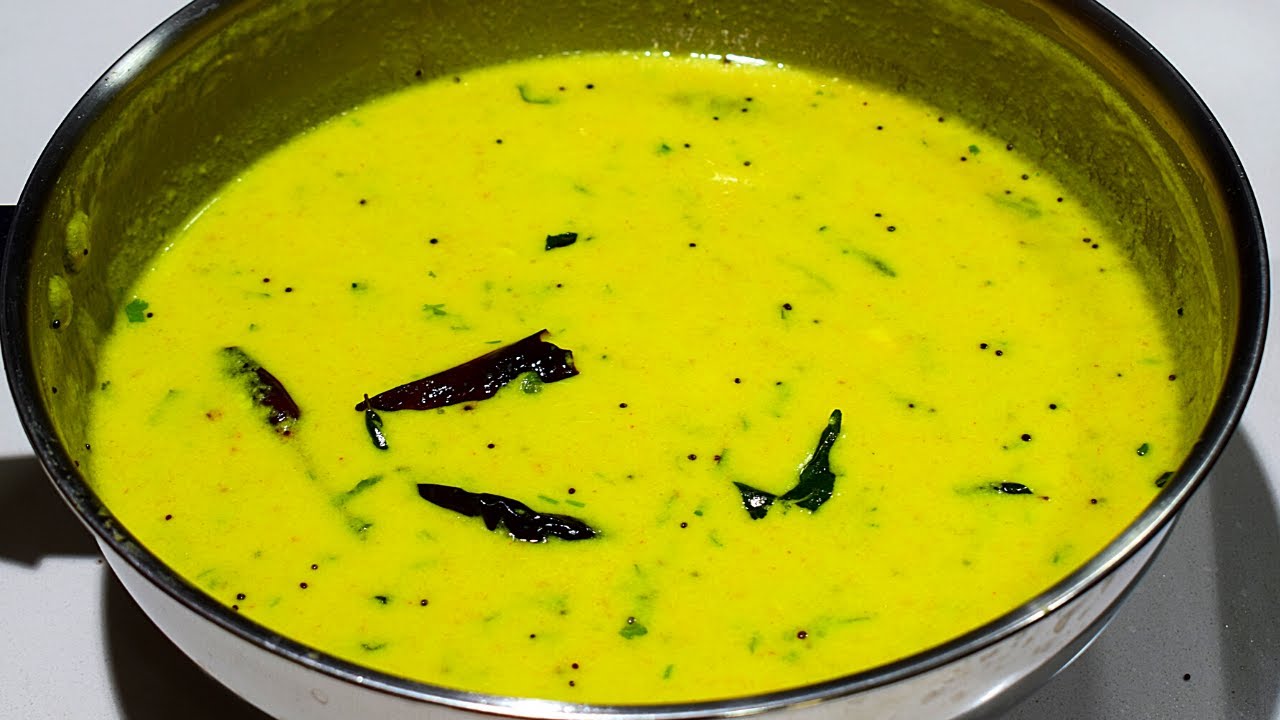
Mor Kuzhambu Recipe
Ingredients
For grinding:
For the curry:
For tempering:
Instructions
- Soak raw rice and toor dal for 30 minutes.
- Add shallots, ginger, green chillies, soaked rice, soaked toor dal, coconut, and cumin seeds to a mixer jar.
- Add a little water and grind into a fine paste.
- Blend 300 grams curd until smooth and creamy.
- Heat ½ tablespoon oil in a pan.
- Add the ground coconut mixture. Cook until its raw smell disappears.
- Reduce the heat and add the blended curd.
- Add enough water to create a flowing curry consistency.
- Add salt and mix gently.
- Heat over medium to low flame until the mor kuzhambu begins to bubble gently. Do not boil it for a long time.
- Heat 1 tablespoon oil in a separate pan.
- Add mustard seeds and let them crackle.
- Add dried red chillies, asafoetida, and curry leaves.
- Pour the tempering over the mor kuzhambu.
- Garnish with coriander leaves and serve warm with steamed rice.
You may also like