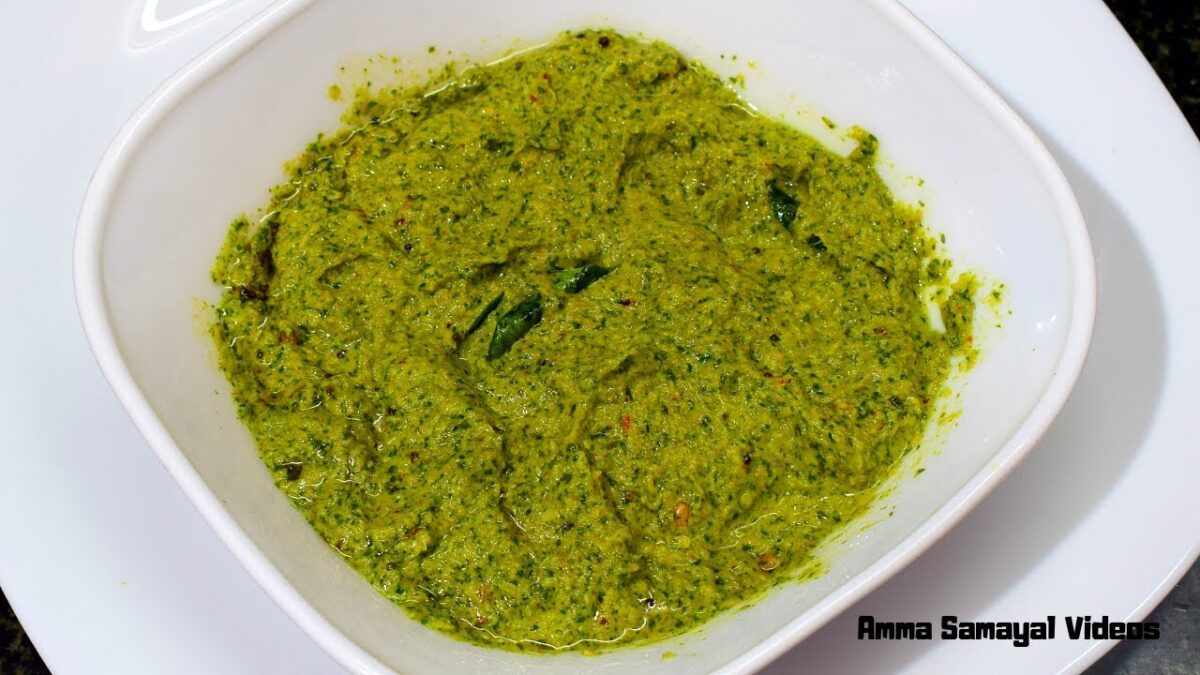
Kothamalli chutney recipe is a flavourful South Indian chutney made with fresh coriander leaves, coconut, shallots, garlic, and green chillies. I usually roast the ingredients before grinding because it gives the chutney a richer flavour and removes the coriander leaves’ raw taste. Adding shallots and garlic makes this South Indian coriander chutney even more delicious. You can prepare it in around 10 minutes and serve Green chutney for idli, dosa, paniyaram, or upma.
If you love homemade chutneys, this easy coriander chutney recipe is worth trying.
You can watch the Kothamalli Chutney in Tamil
Why You Will Love This Kothamalli Chutney Recipe
There are many reasons for you to love this hotel-style kothamalli chutney recipe. Here are the reasons below.
- Fresh and flavourful: Coriander leaves give the chutney a fresh herbal flavour.
- Easy to prepare: You only need a few everyday ingredients and a mixer grinder.
- Perfect for breakfast: It pairs well with soft idli, crispy dosa, and paniyaram.
- Balanced taste: Coconut adds mild sweetness, chillies provide heat, and tamarind brings a little tanginess.
- No complicated preparation: Simply roast, cool, and grind the ingredients.
- Customisable: You can adjust the spice, coconut, and tamarind according to your preference.
Ingredients for Hotel-style Kothamalli Chutney Recipe
Here is everything you need to prepare this homemade coriander chutney.
Coriander leaves: Use fresh coriander leaves with tender stems. Wash them thoroughly to remove dirt and drain the excess water.
Oil: Use gingelly oil or regular cooking oil to roast the ingredients. Oil helps roast the dals, chillies, and shallots evenly.
Urad dal: It adds a mild nutty flavour and gives the chutney a slightly rich taste.
Dry red chilli: Adds spice and colour. You can increase or decrease the quantity based on your preference.
Shallots: Shallots are an important ingredient in this recipe. They add natural sweetness and a rich onion flavour.
Garlic: Garlic enhances the flavour and balances the sweetness of the shallots.
Green chillies: They provide additional heat and freshness to the chutney.
Shredded coconut: Coconut gives the chutney a creamy texture and balances the spice.
Tamarind: Tamarind adds a mild tangy taste. You can skip it if you prefer a sweeter and milder chutney.
Ingredient Substitutions
You can make a few changes depending on the ingredients available in your kitchen.
- Shallots: Replace shallots with regular onions. However, shallots give a slightly sweeter and richer taste.
- Fresh coconut: Use frozen shredded coconut if fresh coconut is unavailable. Thaw it before cooking.
- Dry red chilli: You can use an additional green chilli instead.
- Tamarind: Skip it completely.
- Gingelly oil: Regular sunflower oil or groundnut oil also works.
- Urad dal: You can use chana dal for a slightly different flavour, although the taste and texture will change.
How to make kothamalli chutney at home: Step by Step
Follow these simple steps to prepare green kothamalli chutney at home.
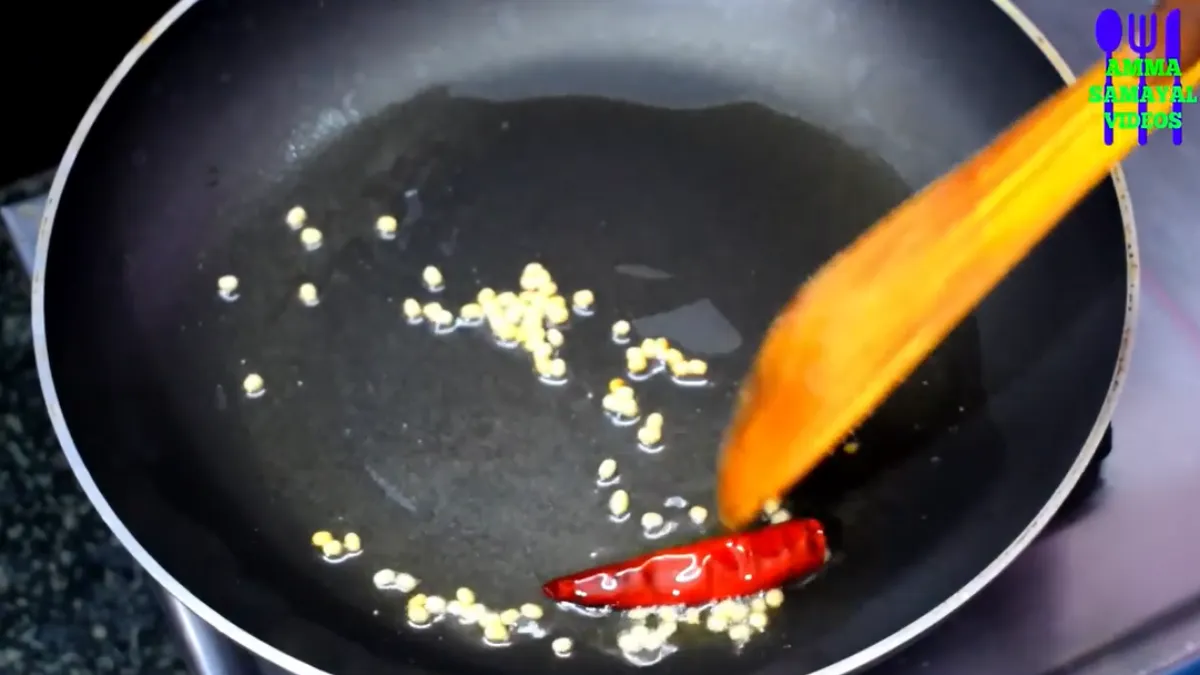
Step 1: Roast the Dal and Dry Red Chilli
Heat 2 tablespoons of oil in a kadai or frying pan over medium-low heat.
Add 1/2 tablespoon of urad dal and 1 dry red chilli.
Roast until the urad dal turns golden. Stir continuously to prevent the dal from burning.
Step 2: Add Shallots, Garlic and Green Chillies
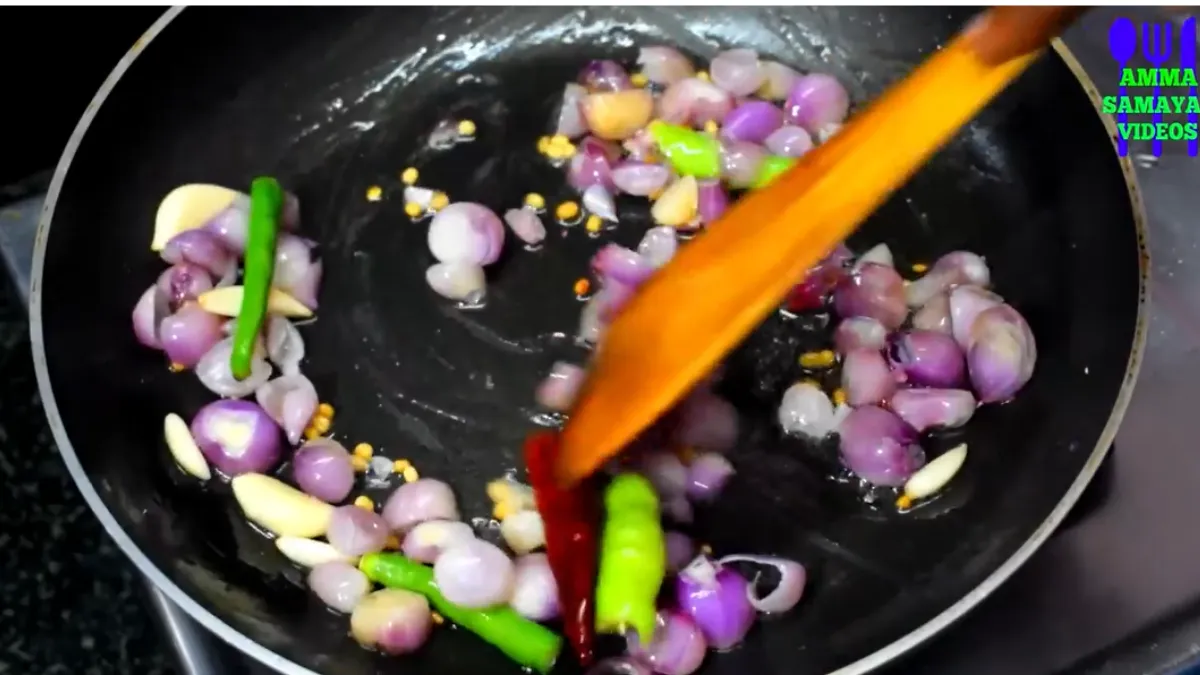
Add 100 grams of peeled shallots, 5 garlic cloves, and 2 green chillies.
Sauté everything until the shallots turn golden and slightly soft.
Do not cook on high heat. Allow the shallots to roast evenly, so they develop a mild sweetness.
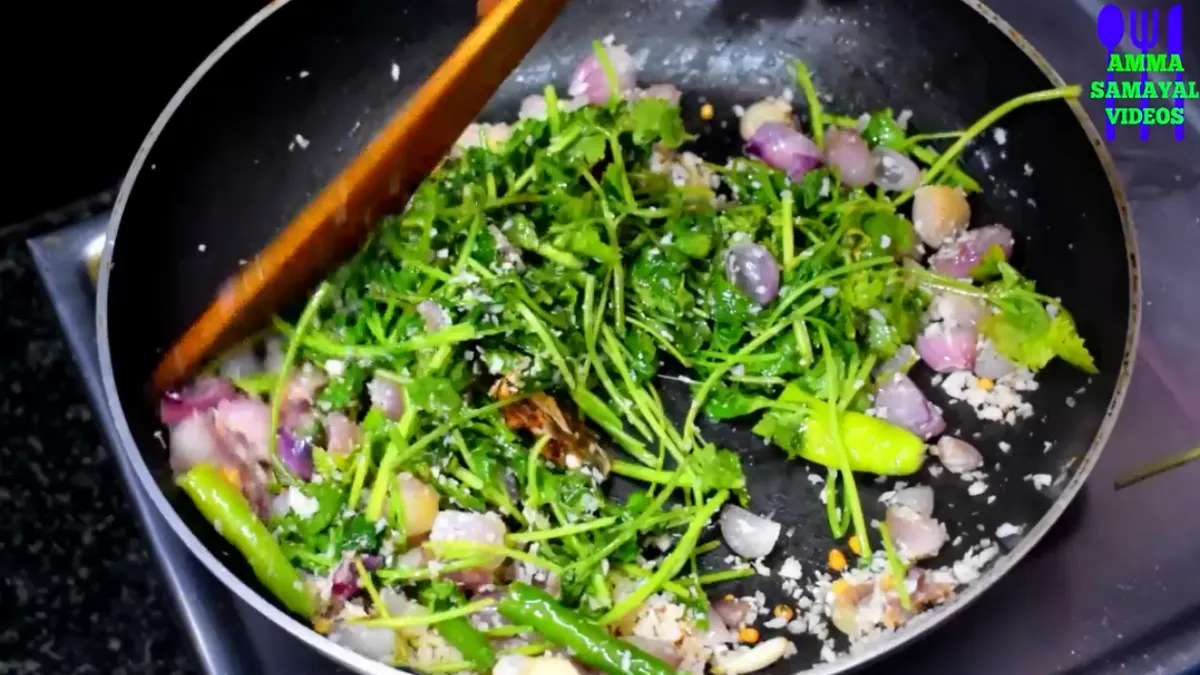
Step 3: Add Coconut and Coriander Leaves
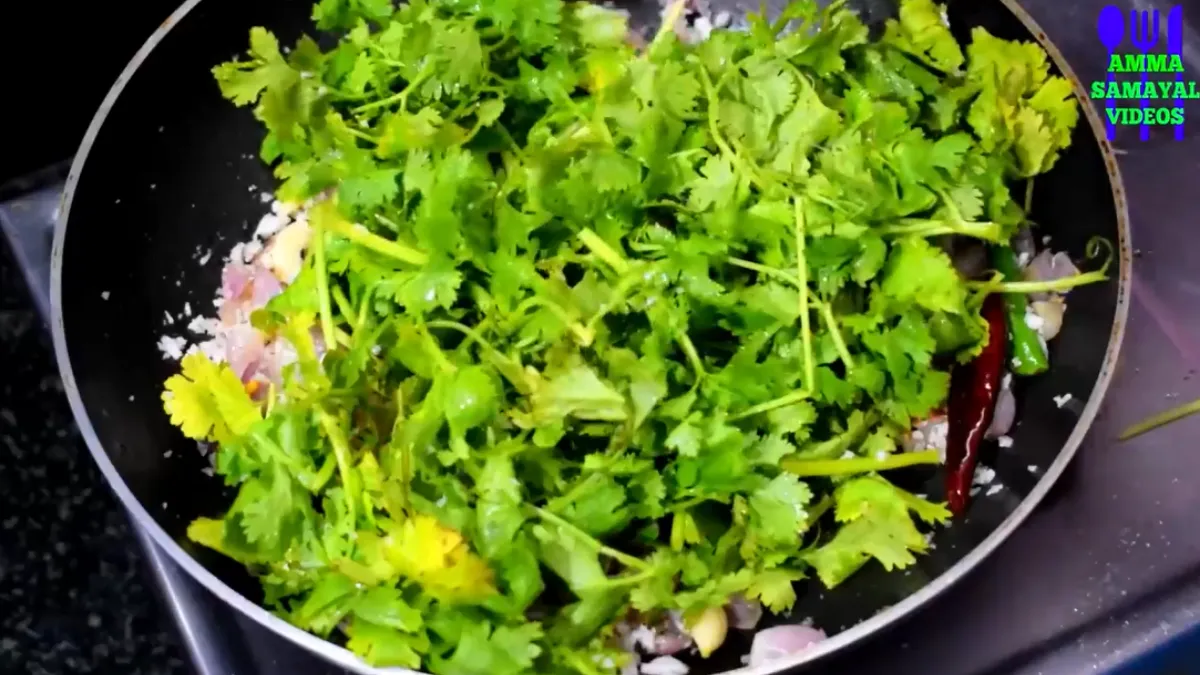
Now add 1/4 cup of shredded coconut.
Add the washed coriander leaves along with their tender stems.
Sauté for a few minutes until the leaves start wilting slightly.
The important thing here is not to overcook the coriander leaves. They should remain green and fresh. Avoid cooking them until they become mushy or dark.
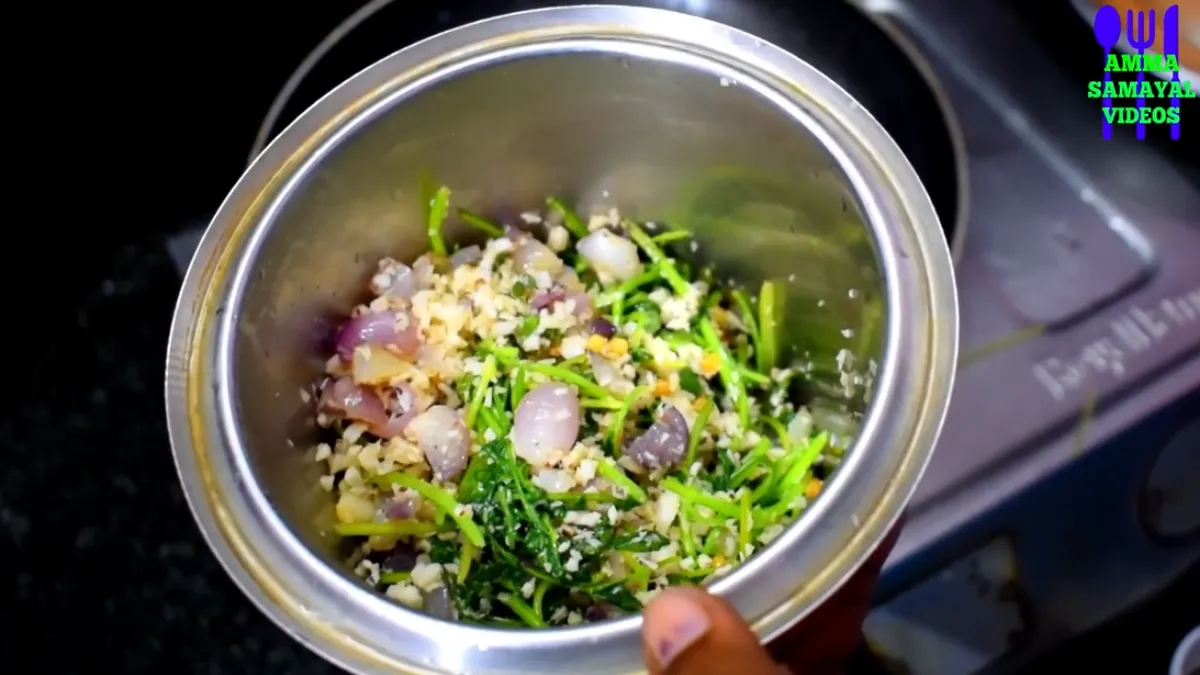
Step 4: Add Tamarind
Switch off the flame.
Add one small piece of tamarind and mix well.
You can skip tamarind if you prefer a milder coriander chutney.
Allow the mixture to cool completely before grinding.
Step 5: Grind the Chutney
Transfer the cooled ingredients to a mixer grinder.
Add salt as needed and a little water.
Grind everything into a smooth or slightly coarse chutney, depending on your preference.
Avoid adding too much water at once. Start with a small quantity and adjust gradually.
Transfer the ground kothamalli chutney to a serving bowl.
Step 6: Prepare the Tempering for Kothamalli Chutney
Heat a teaspoon of oil in a small tempering pan.
Add mustard seeds and allow them to splutter.
Add urad dal and roast until golden.
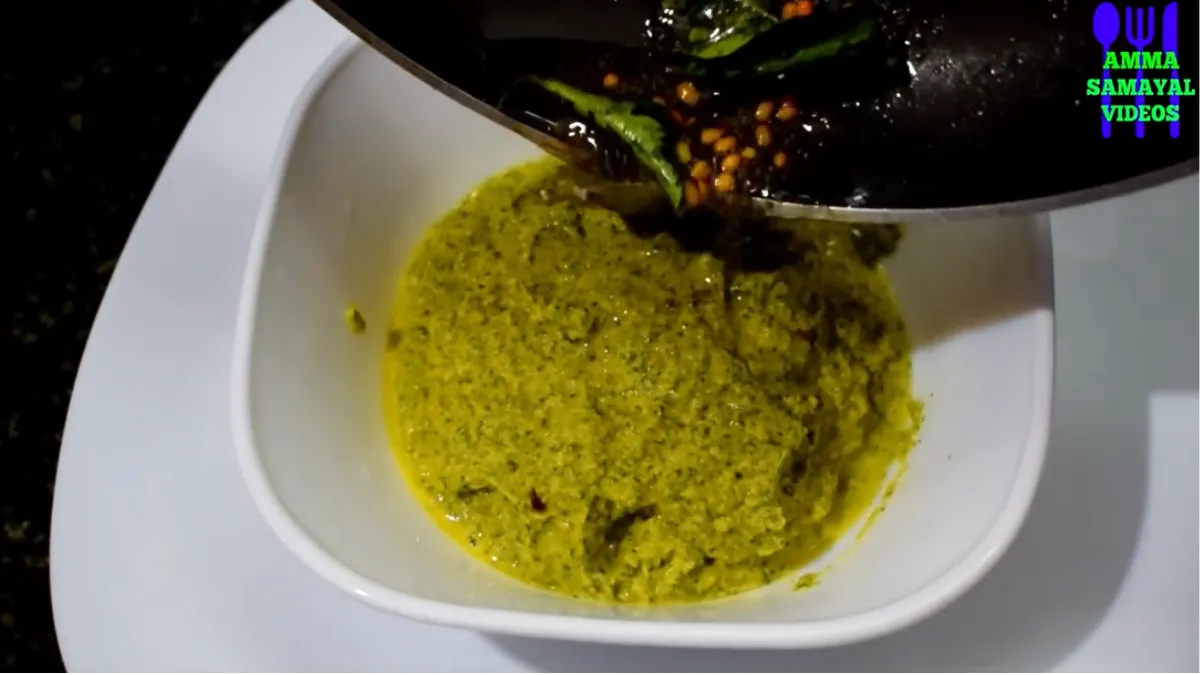
Finally, add curry leaves and switch off the flame.
Pour the hot tempering over the prepared coriander chutney.
Mix gently and serve fresh.
Expert Tips for Perfect Kothamalli Chutney
- Use fresh coriander leaves: Fresh leaves give the chutney a better flavour and colour.
- Include tender stems: You can use tender coriander stems because they contain plenty of flavour. Remove thick, fibrous stems.
- Wash and dry the leaves: Excess water can make the chutney runny. Drain the leaves before adding them to the pan.
- Avoid overcooking: Sauté the coriander leaves only for a few minutes. They should wilt slightly but retain their green colour.
- Roast the shallots properly: Golden shallots add sweetness and depth to the chutney.
- Cool before grinding: Grinding hot ingredients can affect the texture and may cause steam to build up in the mixer jar.
- Add water gradually: Too much water makes the chutney thin. Add only what you need.
- Balance the flavours: Taste the chutney before serving. Adjust salt, spice, or tanginess if required.
Common Mistakes to Avoid
Ensure you do not make these mistakes when making restaurant-style coriander chutney.
Overcooking coriander leaves: Cooking them for too long can make the chutney dark and affect its fresh flavour.
Burning urad dal: Burnt dal gives a bitter taste. Roast it over medium-low heat.
Adding too much water: Excess water makes the chutney watery and reduces its thickness.
Using unwashed coriander: Dirt and sand can remain between the leaves and stems. Wash thoroughly before cooking.
Grinding while hot: Let the roasted ingredients cool before transferring them to the mixer.
Adding too much tamarind: Excess tamarind can overpower the coriander and coconut flavours.
Skipping the tempering: Tempering is optional, but mustard seeds, urad dal, and curry leaves add a distinct South Indian flavour.
Variations You May Try
You can modify this basic Tamil Nadu style kothamalli chutney in several ways.
Kothamalli Chutney Without Coconut: Skip the coconut and follow the same preparation method. You may need to adjust the water to get the right consistency. The result will have a stronger coriander flavour.
Kothamalli chutney with peanut/groundnut: Add roasted Peanuts while grinding the chutney.
Kothamalli chutney with tomato: Simply skip the tamarind and use tomato. The shallots, tomato, and coconut provide a mild sweetness that works well with the coriander leaves.
Coriander mint chutney: Replace a small portion of the coriander leaves with fresh mint leaves. This gives the chutney a refreshing flavour.
Kothamalli chutney with urad dal and chana dal: Add urad dal along with chana dal for a slightly different roasted flavour and texture.
Kothamalli thogayal: Kothamalli thogayal is often paired with Rice. It is blended in a thick consistency without adding too much water.
Serving Suggestions
Coriander chutney recipe tastes best when served fresh with South Indian breakfast dishes.
Here are some combinations you can try:
- Idli: Serve with hot, soft idlis.
- Dosa: Pair it with crispy dosa or ghee dosa.
- Paniyaram: Enjoy it with both kuzhi paniyaram and masala paniyaram.
- Uttapam: Serve alongside onion or vegetable uttapam.
- Pongal: It makes a tasty accompaniment to ven pongal.
- Upma: Pair it with rava upma or semiya upma.
- Adai: The fresh coriander flavour goes well with crispy adai.
- Rice: Kothamalli thogayal is often paired with Rice
You can also serve this chutney with evening snacks such as bajji and bonda.
But I would say Coriander chutney for idli and dosa is the best.
How to Store and Reheat Kothamalli Chutney
Freshly prepared restaurant-style coriander chutney tastes best on the same day.
If you have leftovers, follow these storage tips.
- Allow the chutney to cool completely.
- Transfer it to a clean, airtight container.
- Refrigerate immediately.
- For the best flavour, consume it within 1 to 2 days.
- Always use a clean, dry spoon to take the chutney.
How to Reheat?
This chutney is usually served at room temperature. If you prefer it slightly warm, transfer the required quantity to a small pan and warm gently over low heat.
Add a teaspoon of water if it becomes too thick. Avoid boiling it because prolonged heating can affect the fresh coriander flavour.
Frequently Asked Questions
Can I make kothamalli chutney without coconut?
Yes. You can skip coconut completely. The chutney will have a stronger coriander flavour and a slightly different texture. Add water gradually while grinding.
How to keep coriander chutney green?
Overcooking coriander leaves is one of the common reasons it turns dark. Sauté the leaves for only a few minutes and switch off the flame while they are still green.
Can I use coriander stems for chutney?
Yes. Tender coriander stems are suitable for chutney and add flavour. Avoid thick and fibrous stems because they may affect the texture.
What is the difference between kothamalli chutney and kothamalli thogayal?
Kothamalli chutney uses coriander leaves and coconut, and it will be in a runny consistency; it is paired with dosa, idli, and pongal. Kothamalli thogayal is the thicker chutney paired with Rice.
How long can we store kothamalli chutney in the fridge?
Yes. You can refrigerate it in an airtight container. For the best taste and colour, consume it within 1 to 2 days.
Can I make this chutney without garlic?
Yes. You can skip garlic if you do not prefer its taste. The shallots, coconut and coriander will still give the chutney plenty of flavour.
Coriander Chutney
Ingredients
For the chutney:
For tempering:
Instructions
- Heat 2 tablespoons of oil in a pan.
- Add urad dal and dry red chilli. Roast until golden.
- Add shallots, garlic, and green chillies. Sauté until the shallots turn golden.
- Add shredded coconut and coriander leaves with tender stems.
- Sauté for a few minutes until the coriander leaves wilt slightly but remain green.
- Switch off the flame and add tamarind. Allow the mixture to cool completely.
- Transfer to a mixer grinder. Add salt and a little water. Grind into a smooth or slightly coarse chutney.
- Heat oil in a small pan for tempering.
- Add mustard seeds and let them splutter.
- Add urad dal and curry leaves. Roast until fragrant.
- Pour the tempering over the chutney and mix gently.
- Serve with hot idli, dosa, or your favourite South Indian breakfast.
Notes
- Do not overcook the coriander leaves if you want a fresh green colour.
Tamarind is optional.
Adjust green chillies according to your spice preference.
Add water gradually while grinding.
Refrigerate leftovers in an airtight container and consume within 1 to 2 days.
Enjoy this homemade kothamalli chutney with your favourite South Indian breakfast!